


Podcasts
Practical, compassionate guidance from GBMC clinicians for every stage of life.
According to the American Stroke Association, stroke is the 4th leading cause of death in the United States. On average, a stroke occurs every 40 seconds in America, and every four minutes, someone dies from a stroke. Recognizing the prevalence of stroke in the community, the Primary Stroke Center at GBMC provides care to patients who have had a stroke or Transient Ischemic Attack (TIA).
GBMC's Advanced Certification for Primary Stroke Centers, awarded by The Joint Commission in conjunction with the American Heart/American Stroke Association, demonstrates that it meets critical elements of performance to achieve long-term success in improving outcomes for stroke patients. Additionally, GBMC is recognized as a Primary Stroke Center by the Maryland Institute for Emergency Medicine Services Systems (MIEMSS).
The Primary Stroke Center at GBMC is ranked as one of the hospitals in Maryland with the highest stroke survival rates for inpatient stay, 1 month post-discharge and 6 months post-discharge based on data provided by the Centers for Medicaid and Medicare (CMS) Services. The Primary Stroke Center has also earned the Gold Plus Achievement Award by the American Heart/American Stroke Association, an honor that represents sustained high quality by nursing and physician teams.
Diagnosis
Several imaging studies are utilized, in addition to a physical exam and blood work, to diagnose stroke and identify a person's stroke risk.
Treatment
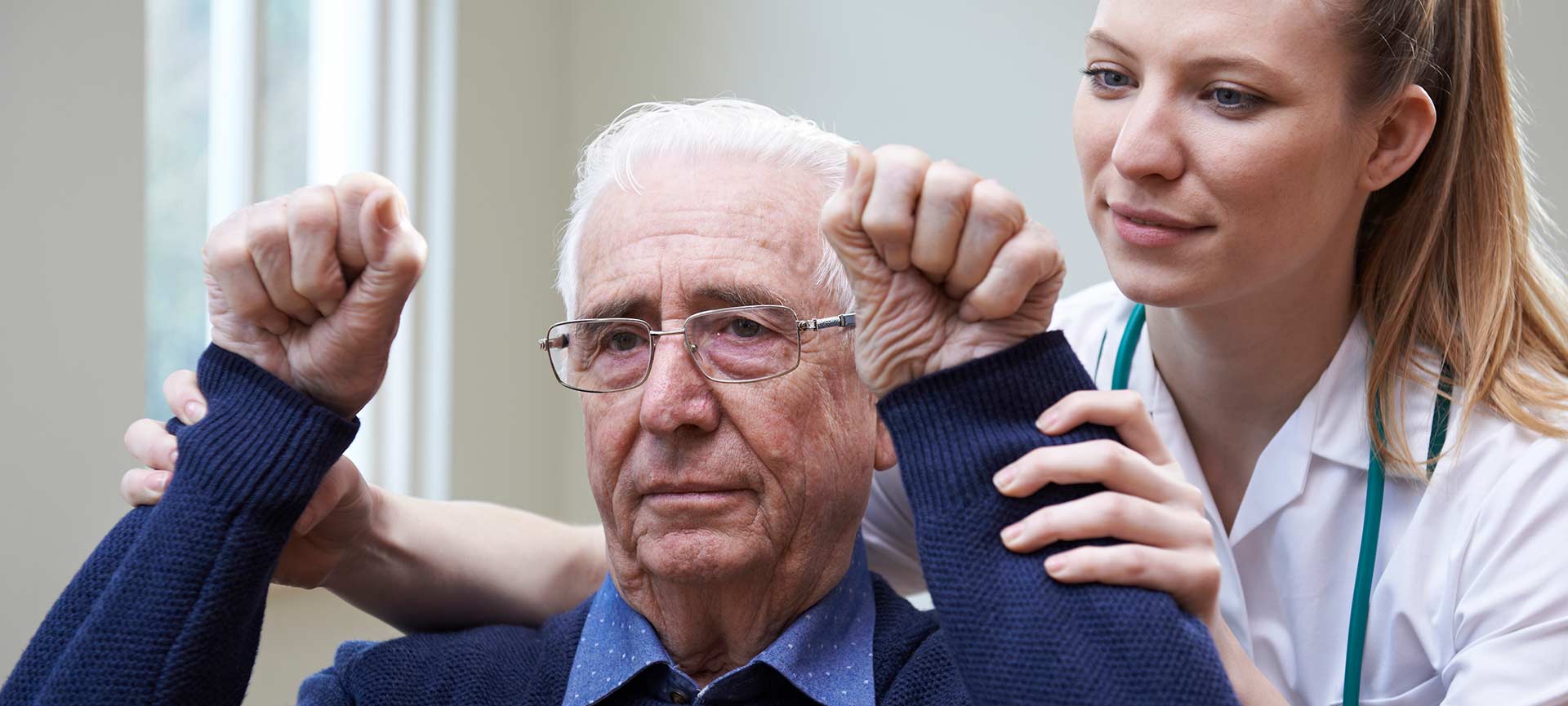
Stroke treatment varies from medication to surgery depending on the type of stroke, severity of stroke and location in the brain. Ischemic patients who make it to the hospital within three hours of symptom onset may receive an FDA-approved clot-busting drug that can increase the chance of full recovery from a stroke without permanent disability." In addition to focusing on preventing future strokes, survivors may need additional rehabilitation services.

“I was experiencing all of the major symptoms of a stroke like dizziness, double vision, blurred vision and my left side was feeling numb,” explains Mrs. Pijanowski. “My neighbor noticed the symptoms and informed my husband, who took quick action.”

The American Heart Association and American Stroke Association recognize GBMC for achieving 85% or higher adherence to all Get With The Guidelines Stroke Performance Achievement indicators for consecutive 12-month intervals, and 75% or higher compliance with 5 of 8 Get With The Guidelines Stroke Quality Measures, to improve quality of patient care and outcomes in addition to achieving Time to Intravenous Thrombolytic Therapy less than 60 minutes in 50% or more of applicable acute ischemic stroke patients (minimum of 6) during one calendar quarter.
This award recognizes GBMC's commitment to success in implementing a higher standard of stroke care, according to evidenced-based guidelines.
Recognizing a stroke early and immediately calling 911 is critical to a person's outcome. When it comes to stroke, remember to think F.A.S.T. and use the following acronym provided by the American Stroke Association to quickly identify stroke symptoms in yourself or others:

Other stroke symptoms come on suddenly and include confusion, trouble speaking or understanding, trouble seeing in one or both eyes, trouble walking, dizziness, loss of balance or coordination, and severe headache.
A stroke can occur if a blood vessel leading to the brain is blocked by a clot (ischemic stroke) or bursts (hemorrhagic stroke). This keeps essential oxygen and nutrients from reaching the affected part of the brain, which it begins to impair function.
Ischemic Stroke
Ischemic stroke occurs when a blood vessel that supplies blood to the brain is blocked by a blood clot. This may happen in two ways:
Hemorrhagic Stroke
Hemorrhagic stroke occurs when a blood vessel in part of the brain becomes weak and bursts open, causing blood to leak into the brain. Some people have defects in the blood vessels of the brain that make this more likely. The flow of blood that occurs after the blood vessel ruptures damages brain cells.
Transient Ischemic Attack (TIA)
A transient ischemic attack or TIA is often referred to as a "warning stroke" or "mini-stroke." The term "mini-stroke" is misleading and diminishes the importance of a TIA. While a TIA does not result in permanent damage, it is a warning sign of possible impending stroke. A person experiencing a TIA should seek medical attention. Immediate treatment can significantly reduce risk of stroke in the future.
According to the American Stroke Association, factors such as medical conditions, behaviors and heredity can play a role in stroke risk. Your primary care physician can help you determine your stroke risk and come up with a plan to reduce the number of controllable risk factors, such as blood pressure, cholesterol and obesity.
The following medical conditions can increase risk:
The following behaviors can increase risk:
The following hereditary traits can increase risk:
Practical, compassionate guidance from GBMC clinicians for every stage of life.