Podcasts
Practical, compassionate guidance from GBMC clinicians for every stage of life.
Caregivers are key for people living with dementia
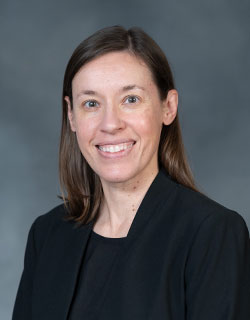
If you or someone you care about is living with dementia, you know it’s a complex disease. Ellen Deibert, MD, FAHA, Director of Neurology and Medical Director, GBMC Stroke Center, talked with Mary Beth Marsden and shared information to help patients, family members, and caregivers learn about this group of common brain disorders that affect approximately 47.5 million people worldwide.
“Dementia is the larger category of brain disorders that cause a progressive, worsening process of neurodegeneration that affects memory, cognitive function, and behavior,” Dr. Deibert explained. “Family members and caregivers play a key role in both our diagnosis of dementia and helping the patient live her or his best life with this disease. Since there are already signs of dementia the first time I meet a patient, I start by learning about the patient—what hobbies they enjoy, what job they had, what their education level is. Family and caregivers are able to provide me with perspective so I can make a diagnosis.”
As we get older, all of us experience some changes in memory, like forgetting what we came into a room to get or having some trouble putting names to faces outside of the context we’re used to seeing that person in. These changes don’t signal dementia. But when people begin to get lost when driving familiar routes and repetitively ask the same questions or tell the same stories, it’s time to make an appointment with your primary care physician or a neurologist for an assessment.
“At this point in time, unfortunately, there are not a lot of treatments for dementia,” said Dr. Deibert. “What we work on is adapting around the problem to make sure the patient is able to live the rest of their life with this disease feeling safe, not being anxious, and being cared for. We also work to make sure family and caregivers are connected with support to help them learn how others cope and to help them avoid burning out.”
She added that while there are medications for dementia, they don’t reverse or stop the disease. They simply make it possible for the patient to remain at home longer.
While more research is needed, Dr. Deibert recommends that people eat a healthy diet, get regular exercise, be socially connected and engaged, and remain mentally active to support their cognitive health.
“My focus is on educating patients and families about dementia so they know what to expect and can plan ahead. Understanding this disease is half the battle,” she said.
Neurology
GBMC Health Partners

Endometriosis is a complex condition that can affect more than just menstrual cycles. It may cause pelvi...
As we age, our skin becomes thinner and more porous, which means wounds can happen more often and take ...
From Paari Gopalakrishnan, MD, MBA, GBMC HealthCare, President and CEOAs a hospitalist, I heard this ques...
Marsha Hammond's positivity is catching. In fact, she does what she can to share it with anyone who might...

...
Ranked as one of the hospitals in Maryland with the highest stroke survival and recovery ratesAccording t...
Setting new standards for surgical treatments that are less invasive and more beneficial to patientsPower...
Review GBMC’s Quality & Patient Safety Metrics — our transparency dashboard showing performance on CLABSI, hand hygiene, HCAHPS, hospice comfort, and more.”
img.wellbeing { max-width:900px; } @media only screen and (max-width : 700px) { img.wellbeing { ma...
GBMC is committed to the wellness of each employee as a whole person – this includes physical, emotiona...
Practical, compassionate guidance from GBMC clinicians for every stage of life.