






Podcasts
Practical, compassionate guidance from GBMC clinicians for every stage of life.
With its beginnings rooted in the Presbyterian Eye, Ear, and Throat Charity Hospital, the Eye Center at GBMC has evolved into one of the premier eye care centers in the Baltimore metropolitan area. Our specialists provide a full spectrum of services ranging from routine eye exams to sophisticated diagnostic procedures and the latest surgical techniques. We also partner with The Richard E. Hoover Rehabilitation Services for Low Vision and Blindness.
Our mission is to provide the highest level of service to patients, resulting in health, healing and hope. We strive to do this as efficiently as possible, emphasizing quality in a setting of care and compassion.
We commit to providing every patient, every time, the care that we would want for our own loved ones.

Services available at the Eye Center at GBMC:
Ophthalmic Diagnostic Testing and Imaging:
Minor Surgical Procedures:
Eye Surgery:
If you’re at risk for diabetes or are living with the disease, there’s one more item you should add to your health to-do list — getting regular eye exams.
The Eye Center at GBMC offers a comprehensive team of eye care providers for our patients. Eye care professionals are broken up into four main categories based on the services they provide — ophthalmologists, optometrists, orthoptists, and opticians.
Ophthalmologists are medical or osteopathic doctors who offer the full range of eye care services. Following medical or osteopathic school, ophthalmologists continue their training with a four-year residency program in ophthalmology and ophthalmic surgery. They diagnose and treat all eye diseases as well as provide standard vision and eye exams. Ophthalmologists are also able to prescribe and fit eyeglasses and contact lenses. They are the only eye care providers who perform surgery.
Some ophthalmologists pursue subspecialty training beyond their residency. In addition to comprehensive care, the Eye Center at GBMC provides care in the following subspecialties: pediatric ophthalmology and strabismus, neuro-ophthalmology, medical retina and low vision, oculoplastic surgery, and cataract surgery.
Optometrists are healthcare professionals who have completed a four-year Doctor of Optometry (OD) degree. They provide primary eye care, which focuses on performing eye exams and vision tests, detecting and treating certain eye conditions, and prescribing corrective lenses, including contacts.
Orthoptists are specialty trained eye care professionals who focus on the diagnosis and treatment of eye alignment and ocular motility disorders. They work hand-in-hand with ophthalmologists to provide non-surgical therapies to patients with diseases such as strabismus and amblyopia. Orthoptists work with patients of all ages, but due to the nature of the conditions they treat, many of their patients are pediatric.
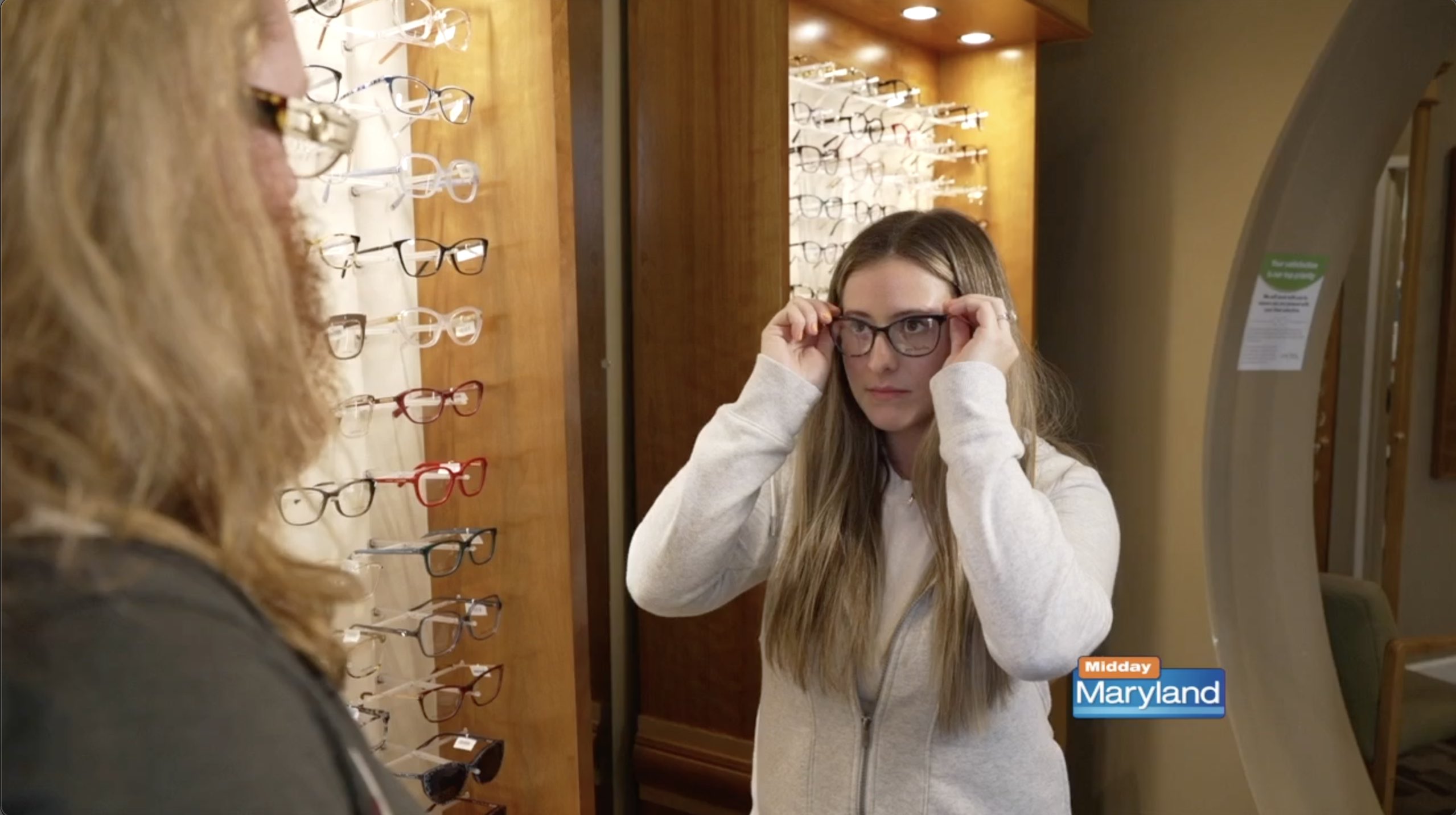
Opticians are eye care technicians who specialize in the design, and fit of eyeglasses. They work with patients of all ages to help select frames to match individual styles, face shape, and prescription needs. Opticians use prescriptions supplied by an ophthalmologist or optometrist. They do not perform eye exams, test vision, write prescriptions, or diagnose or treat eye diseases.

Director, Resident Education for the Ophthalmology Residency Program
Maintaining Your Eye Health In The Workplace
Dr. Jana Friedman shared if people should be concerned about the extended amounts of time being spent looking at their screens.
Preventing an eye injury
Dr. Allison Jensen, director of pediatric ophthalmology at the Eye Center at GBMC, shared tips on how to reduce the risk of an eye injury.
Keeping your child's eyesight sharp for back-to-school
Allison Jensen, MD, a pediatric ophthalmologist with GBMC, joined Fox 45 with more on how you can protect your kids' eyes.
Practical, compassionate guidance from GBMC clinicians for every stage of life.