Uterine fibroids are extremely common—by menopause, up to 70–80% of women will develop them. Some people have no symptoms at all, while others experience heavy bleeding, pelvic pressure, pain, or fertility concerns. At GBMC, our multidisciplinary fibroid team is dedicated to helping you understand your options and choose the treatment that fits your goals, your symptoms, and your life.
Our Multidisciplinary Fibroid Team
We offer coordinated care from specialists across multiple fields:
Obstetrics & Gynecology: Diagnosis, medical and surgical management, and routine gynecologic care.
Minimally Invasive Gynecologic Surgeons (MIGS): Experts in laparoscopic and robotic procedures such as myomectomy, radiofrequency ablation (Acessa), and hysterectomy.
Diagnostic & Interventional Radiology: Advanced imaging and procedures like Uterine Artery Embolization (UAE).
Primary Care Providers: Early evaluation and symptom management.
We offer women coordinated care and a full spectrum of medical and surgical options, including hormonal and non-hormonal medications, as well as minimally invasive and fertility-sparing procedures. An emphasis is placed on education about the condition and the best plans of treatment available according to the patient’s individual situation. With focused, easily accessible care, our team works together to provide sophisticated, personalized treatment of uterine fibroids based on each patient’s symptoms and preferences.
What Are Uterine Fibroids?
Uterine fibroids are benign (non-cancerous) growths made of muscle and connective tissue that form in the wall of the uterus. They can occur at any reproductive age and vary widely in size and number.
Fibroids are more common in:
African American women
Women with a family history of fibroids
Individuals between their 30s and 50s
While fibroids are not cancerous, they can cause symptoms such as pain, pressure, or heavy bleeding. Some people, however, experience no symptoms at all. Fibroids may shrink with menopause as hormone levels decrease.
Symptoms of uterine fibroids include:
Heavy or prolonged menstrual periods
Abnormal bleeding between periods
Pelvic pain or pressure
Frequent urination
Low back pain
Pain during intercourse
Difficulty getting pregnant, miscarriage, or pre-term birth
Patients who have a family history of fibroids or suspect they may have fibroids should first discuss their history and/or symptoms with their OB-GYN or primary care provider.
Fibroids are often found during a routine pelvic exam or during imaging performed for another reason. Your provider may order:
Pelvic ultrasound: first-line imaging
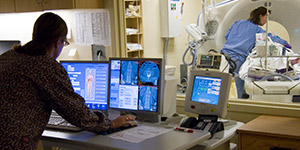
Magnetic resonance imaging (MRI): may be ordered to provide more detailed information about fibroid size, number, and location
This helps determine whether your symptoms are caused by fibroids and guides treatment planning.
Treatment Options:
Your treatment plan depends on your symptoms, your goals, your health, and your plans for future pregnancy. Many people do not need treatment if their fibroids are small and not causing problems.
Watchful Waiting
If symptoms are mild or absent, your provider may recommend simply monitoring fibroids over time.
Medical Therapy
Medications can help manage symptoms such as heavy bleeding or pain but do not remove the fibroids. Options include:
Hormonal medications
Non-hormonal medications
Treatments to reduce menstrual bleeding
Surgical Therapy
Myomectomy: Fibroids are surgically removed while preserving the uterus. This can be done laparoscopically, hysteroscopically, or with robotic assistance.
Radiofrequency Ablation (Acessa): A minimally invasive procedure that uses targeted heat energy to shrink fibroids from the inside. This is a good option for symptoms relief with shorter downtime.
Hysterectomy: A hysterectomy removes the uterus and provides definitive relief from fibroids when symptoms are severe or other treatments haven’t helped. Most procedures are minimally invasive.
Uterine Artery Embolization: A minimally invasive radiology procedure that blocks blood supply to fibroids, causing them to shrink.
Ready to talk about your symptoms?
If you have fibroids and want help deciding whether treatment is right for you, you can reach out to your OB-GYN or to the minimally invasive gynecologic team at GBMC.
We are committed to providing compassionate, coordinated, and expert care so you can feel your best.
On
Stay Connected
Podcasts
Practical, compassionate guidance from GBMC clinicians for every stage of life.