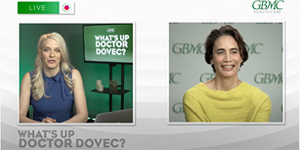
<iframe class="embed-responsive-item" src="https://www.youtube.com/embed/hFV6ndxr3iU" allowfullscreen="allowfullscreen"></iframe> <p class="article-body"> Having to find a new healthcare provider can be a daunting task. It’s difficult to know whether the provider will be a good fit for you from just a biography and a photo online. In the series, “What’s Up, Dr. Dovec?” GBMC bariatric surgeon, Elizabeth Dovec, MD, FACS, FASMB, interviews providers across the GBMC HealthCare System so you can get to know them on a personal level and learn more about their specialties. <br> <br> In this episode, Dr. Dovec interviews Ashley McAree, MSN, RN, FNE-A/P, SANE-A, Human Trafficking Liaison for GBMC’s <a href="/node/2551" target="_blank">Sexual Assault Forensic Examination (SAFE) and Domestic Violence (DV) Program</a>, about the services the program provides, the program’s new facility, and what parents can do to protect their children from online predators. <br> <br> GBMC’s SAFE and DV program is staffed by 19 specially trained forensic nurses and six patient advocates who provide care, free of charge, for people of all ages who have experienced sexual assault or abuse, domestic or intimate partner violence, child abuse, or human trafficking. The nurses provide medical exams for patients, collect forensic evidence that is provided to law enforcement with the patient’s consent, and testify about their findings in court. The team also offers emotional support and advocacy services for victims in a safe, confidential environment. They are active in community outreach and education, providing information about preventing sexual abuse and assault and human trafficking. <br> <br> Ashley started her nursing career with GBMC in 2012 working on the medicine/psychiatric unit. After her supervisor was trained as a SAFE nurse, Ashley became interested in becoming part of the SAFE team. “When I learned more about how SAFE nurses help people affected by sexual assault, child abuse, domestic violence, and human trafficking, I knew this was what I was born to do,” she said. <br> <br> The SAFE Program recently moved into a new suite with two large private exam rooms, a family waiting room, a private bathroom, and a forensic interview room where law enforcement partners can talk with child victims. Before the new suite opened, patients in need of SAFE and DV Program services had to seek care in the Emergency Department and children had to go to another location after their exam to be interviewed by law enforcement, which made the experience more stressful. <br> <br> With the COVID-19 pandemic, Ashley noted that children and teens are spending more time online, often without the supervision of their parents. Predators use games and apps with chat features and social media platforms like Facebook, Snapchat, and TikTok to contact children and exploit them. “There are 17 million reports per year of sexual exploitation of children under 18 by online predators,” explained Ashley. “And, unfortunately, we know this crime is very much underreported.” <br> <br> Ashley offered five tips to help parents keep their children safer online — </p> <ol> <li> Keep the lines of communication with your child open </li> <li> Tell children not to talk online to anyone they don’t know in real life </li> <li> Teach children never to share personal information online </li> <li> Familiarize yourself with your child’s online activities </li> <li> Adjust privacy and location settings and use parental controls on all devices. </li> </ol> If you or someone you know has experienced abuse or assault, the SAFE nurses are here to help. In addition to GBMC’s SAFE and DV program, the resources listed below are free and available for victims 24/7. <br> <br> Baltimore County Police Department <ul> <li> If you are in immediate danger, please call 911. </li> <li> If 911 is not an option, have a family member or friend call the non-emergency number at 410-887-2222, email <a href="mailto:iwatch@baltimorecountymd.gov">iwatch@baltimorecountymd.gov</a>, or call the Special Victims Unit at 410-887-2223. </li> </ul> GBMC’s SAFE and DV Program – 443-849-3323, <a href="/node/2551" target="_blank">www.gbmc.org/safe-dv</a> <br> <br> The Family Tree (parenting helpline) – 1-800-243-7337 or live chat at <a href="https://familytreemd.org" target="_blank">www.familytreemd.org</a> <ul> <li> Connects parents to resources to prevent child abuse and provides family counseling, children and youth services, and public policy and advocacy </li> </ul> Turn Around (helpline) – 443-279-0379, <a href="https://turnaroundinc.org" target="_blank">www.turnaroundinc.org</a> <ul> <li> Provides therapeutic services to victims of sexual assault and domestic violence including legal advocacy, shelter, employment readiness, and case management </li> </ul> House of Ruth Maryland – 410-889-7884, <a href="https://hruth.org" target="_blank">www.hruth.org</a> <ul> <li> Provides services to victims of intimate partner violence including emergency shelter, legal clinic services, counseling services, and abuse intervention </li> </ul> Family Crisis Center – Office: 410-285-4357 – Shelter: 410-285-7496 <br> <br> Baltimore County Domestic Violence/Sexual Assault Hotline – 410-828-6390 <br> <br> SARC Harford County – 410-836-8430 National Domestic Violence Hotline – 1-800-799-7233
<iframe class="embed-responsive-item" src="https://www.youtube.com/embed/tJJ-aeCSc1Y" allowfullscreen="allowfullscreen"></iframe> <p class="article-body"> Having to find a new doctor can be a daunting task. It’s difficult to know whether they’ll be a good fit for you from just a biography and a photo online. In the series, “What’s Up, Dr. Dovec?” GBMC bariatric surgeon, Elizabeth Dovec, MD, FACS, FASMB, interviews providers across the GBMC HealthCare System so you can get to know them on a personal level and learn more about their specialties. In this episode, Dr. Dovec interviews fellow bariatric surgeon, Timothee Friesen, MD, who talks about the unique aspects of bariatric (weight loss) surgery and how it changes patients’ lives. <br> <br> Dr. Friesen didn’t take the same path as most to become a surgeon. Originally from Kansas, he spent most of his childhood in France, where he has a dual citizenship. He came back to the United States for his undergraduate degree – where he earned the title of Intramural Ping Pong Champion four years in a row – and went on to serve in the French military. <br> <br> He ended up in Africa in the country of Cameroon and stayed to teach math in a remote village with no electricity or running water. It’s an experience he will never forget. “It’s the best way to learn another way of living,” he said, “I was able to interact with people that I would never have otherwise, and it was amazing to learn the culture.” <br> <br> After learning about Dr. Friesen’s time in Africa, the conversation turned towards medicine and Dr. Friesen’s love for anatomy. He described an experience he had in medical school that inspired him and made him appreciate the human body even more. In the first year of medical school, learning is primarily done on cadavers of people who have donated their bodies to science and research. The body he worked with was that of an elderly elementary school teacher. She had written a note for the medical students who would learn from her body describing her passion for teaching and how she wanted to teach even after her physical life was over. Dr. Friesen and his fellow students were incredibly moved by her care and generosity. “It was a great gift that she gave us,” he said. <br> <br> That year was when he discovered his passion for surgery. When asked why he chose to focus on bariatrics, he responded: <br> <br> “It’s the best specialty. I love surgery in general, but with bariatrics, it’s the only surgery that can solve so many of a person’s problems at one time. Obesity is a chronic problem that is almost always accompanied by other conditions and I love telling people that they’ll be able to get off of their diabetes or cholesterol medication after surgery. It’s truly life changing for patients.” <br> <br> Dr. Friesen is thrilled that he is able to help patients at GBMC specifically. He and his wife gave birth to three children in the hospital and when he saw a position open after he finished his fellowship, he “jumped on it.” He described GBMC as a hospital where he and his wife had awesome experiences. “I’m so excited that I get to work in a place that is so wonderful to patients.” Drs. Dovec and Friesen also discussed <a href="/node/4383" target="_blank">virtual visits</a> and how new patients can start their weight-loss journey by signing up for a consultation. <a href="https://gbmchealthcare.formstack.com/forms/journey_starts_now">Click here to start your journey today</a>! </p>
<iframe class="embed-responsive-item" src="https://www.youtube.com/embed/T5TrtgPOwOs" allowfullscreen="allowfullscreen"></iframe> <p class="article-body"> Having to find a new doctor can be a daunting task. It’s difficult to know whether they’ll be a good fit for you from just a biography and a photo online. In the series, “What’s Up, Dr. Dovec?” GBMC bariatric surgeon, Elizabeth Dovec, MD, FACS, FASMB, interviews providers across the GBMC HealthCare System so you can get to know them on a personal level and learn more about their specialties. In this episode, Dr. Dovec interviews Leroy Schmidt, MD, Director, Joint Replacement Center at GBMC, Chief, Division of Orthopaedics at GBMC, as they discuss the types of knee replacement surgery, who is a good surgical candidate, and how patients can achieve the best results after surgery. <br> <br> Dr. Schmidt, who goes by Lee rather than Leroy, loves being outdoors when he isn’t at the hospital caring for patients. He grew up in Riviera Beach, MD, where he spent most of his summers crabbing on a boat. He enjoys trekking – multi-day hikes across steep terrains – and has summited Mount Kilimanjaro and many peaks in the Andes mountain range. This involves travel, which he is also passionate about. When asked what his favorite place to visit was, he identified Hinterzarten, a town in the Black Forest of Germany, but proceeded to name other places until he realized that he simply couldn’t decide. <br> <br> The conversation then turned to Dr. Schmidt’s practice and the path he took to become an orthopaedic surgeon. Originally, Dr. Schmidt had planned a career as a trauma surgeon. After his first year of college, he trained at the Shock Trauma Center in Baltimore. He recalled that the orthopaedic team needed additional help as it was a busy summer. When they came to the main floor asking for volunteers to come to the operating room (OR), Dr. Schmidt stepped up. This was when he discovered that he loved joint replacement surgery and decided to pursue an Orthopaedic Residency at the University of Maryland Medical Center. <br> <br> During his final year in training, when he served as Chief Resident, he realized that the varying hours required of trauma surgeons did not fit with his plans to start a family. With his love of joint replacements, going into orthopaedic surgery was the obvious next step. When asked why he chose to practice at GBMC, Dr. Schmidt replied: <br> <br> “The reason that I chose GBMC is that the physicians surrounding us here are all top-rated physicians who I would send my own family members to. It’s really the team here. I’m happy and honored to be able to work with this group of people.” <br> <br> Dr. Schmidt went on to show the difference between the types of knee surgeries using models of the knee and talked about the patients who would be good candidates for each type. “Many people think that we’re going to go in and replace the entire bone,” he described, “but it’s more like a dentist putting a cap on a bad tooth. We’re only replacing the damaged surfaces so there is no more bone-on-bone rubbing.” Dr. Schmidt discussed his team and the educational opportunities available to patients prior to surgery, including classes and in-home visits. He also explained the four different paths to recovery available at GBMC and how pain is managed after surgery, largely without the use of narcotics. <br> <br> The way Dr. Schmidt and his colleagues care for patients has changed with the coronavirus (COVID-19) pandemic, but he believes that <a href="/node/4383" target="_blank">telehealth appointments</a> are going well, and the office is practicing social distancing with each other and any patients who need to come in for in-person visits. GBMC is taking every precaution to keep patients and employees safe. If you need care, don’t delay it. We are here to serve you and keep you safe. If you would like to learn more about orthopaedics at GBMC, go to <a href="/node/2494">www.gbmc.org/orthopaedics</a>. To make an appointment, call the office at 443-849-3838. </p>
<iframe class="embed-responsive-item" src="https://www.youtube.com/embed/LHMwVhhGuLM" allowfullscreen="allowfullscreen"></iframe> <p class="article-body"> Having to find a new doctor can be a daunting task. It’s difficult to know whether they’ll be a good fit for you from just a biography and a photo online. In the series, “What’s Up, Dr. Dovec?” GBMC bariatric surgeon, Elizabeth Dovec, MD, FACS, FASMB, interviews providers across the GBMC HealthCare System so you can get to know them on a personal level and learn more about their specialties. In this episode, Dr. Dovec talked with Dr. Nina Ferraris about her path to becoming a colorectal surgeon, her team at GBMC, and the importance of making sure you get your screening colonoscopy. <br> <br> Although she’s now a dedicated and accomplished surgeon, Dr. Ferraris told Dr. Dovec that she didn’t always know she wanted to practice medicine. “In my second year at NYU, where I did my undergraduate degree, I was doing research with a team of neurosurgeons,” she explained. “They brought me into the OR and that was it. I decided that rather than being a researcher, I wanted to practice medicine and bring the information that researchers uncover to make a difference in patients’ lives.” <br> <br> After completing four years of medical school at Drexel University College of Medicine and five years of general surgery residency at the University of Connecticut, Dr. Ferraris came to GBMC for her fellowship training in colon and rectal surgery. “I chose GBMC for my fellowship because the program was more like an apprenticeship, giving you the opportunity to get close to your mentors and be somewhat independent, with their oversight of course. It’s a very different experience than you would have doing a fellowship at a large tertiary care center.” <br> <br> Dr. Ferraris explained that her work includes more than people who have been diagnosed with colon or rectal cancer. She also treats people with benign conditions including inflammatory bowel disease, diverticulitis, hemorrhoids and other conditions that can significantly impact quality of life. “Getting treatment for these conditions can make a big difference in your quality of life and make you more comfortable so you can go about the rest of your life,” she said. “I always get the biggest hugs from my hemorrhoid patients!” <br> <br> She also emphasized the importance of getting your screening colonoscopy, now recommended to begin at age 45 rather than 50, as more people are being diagnosed with colon and rectal cancer at a younger age. During the COVID-19 pandemic, GBMC paused these screenings at the new Kroh Center for Digestive Disorders at GBMC, but as of May 21st, they will resume with precautions to ensure patients’ safety. Throughout the pandemic, Dr. Ferraris and her partner and mentor Dr. Joseph DiRocco have continued to see patients both in the office as needed and via virtual video visits. When asked why she chose to practice at GBMC, Dr. Ferraris said, “There are excellent resources here. Because it’s a community hospital, we can be more individualized in our delivery of care, but we offer the same state-of-the-art care and have the sophisticated skills you’d find at a large academic medical center. We also have a multidisciplinary cancer team and a great nursing staff. With all those things in one place, it seemed perfect to me.” </p>
This year's Top 3 nominees (and winners!) are listed below: Clinical Assistant Support Award - Inpatient Chicas Moore, NST, Postpartum Robert Monaco, BS, Women’s and Outpatient Surgical Center Zonda White, NST, Medical/Telemetry (Unit 38) - winner! Clinical Assistant Support Award - Outpatient Ronnie Goode, MA, GBMC Health Partners Primary Care – Owings Mills Zoe Purcell, MA, GBMC Health Partners Primary Care – Joppa Road Tina Rosier, MA, GBMC Health Partners Pediatrics - winner! Mrs. H. Norman Baetjer, Jr. Nursing Graduate of Year Award Michael Bagwandeen, RN, Unit 58 Eryn Campbell, BSN, RN, Pediatric Emergency Department - winner! Wayne Silver, Surgical Intensive Care Unit Evidence-Based Practice in Nursing Award Connie Anagnostou, BSN, RN and Stephanie Bowen, RN, General Operating Room Rebecca Ford, MSN, RN, PCCN, Epic Arielle Massafi, BSN, RN and Carol Corbin, RN, Unit 48, winners! Diversity in Nursing Award Fatma Alvi, MS, BSN, RN, Unit 58 Nursing Staff of Unit 36, Integrative Care Unit Jessy Varghese, BSN, RN, General Operating Room - winner! Patient- and Family-Centered Care Award Yvonne Latchaw, BSN, RN, GBMC Health Partners Primary Care – Hunt Manor - winner! Susan Simeon, BSN, RN – Medical Oncology Jennifer Stinson, RN – Gynecologic Oncology Nurse Leader Award Jennifer Boniface, BSN, RN, CPEN, Pediatric Emergency Department Catherine Mauriello, MS, ANP- BC, ACHPN, Integrative and Palliative Medicine - winner! Roel Tiberio, BSN, RN – Endoscopy Nurse Clinician of the Year Award Sylvia Alghali, BSN, RN, Unit 35 Theresa Breitenbach, BSN, RNC, Neonatal Intensive Care Unit- winner! Stephanie Ford, BSN, RN, ASAP
<iframe class="embed-responsive-item" src="https://www.youtube.com/embed/cRbzUntPbvg" allowfullscreen="allowfullscreen"></iframe> <p class="article-body"> Having to find a new doctor can be a daunting task. It’s difficult to know whether they’ll be a good fit for you from just a biography and a photo online. In the new series, “What’s Up, Dr. Dovec?” GBMC bariatric surgeon, Elizabeth Dovec, MD, FACS, FASMB, interviews providers across the GBMC HealthCare System so you can get to know them on a personal level and learn more about their specialties. This episode features Dr. Endrika Hinton, GBMC Reproductive Endocrinologist, and focuses on the challenges of infertility. <br> <br> Dr. Hinton has been practicing for many years, treating patients with infertility issues as well as other gynecologic conditions such as fibroids and endometriosis. In her spare time, she’s very involved in physical activity – something that she encourages all of her patients to partake in. She enjoys yoga and meditation and loves to travel (when it’s safe to do so). To keep herself busy while social distancing, she works out every day and virtually competes with her “gym friends” to keep up with her fitness goals. <br> <br> Due to the coronavirus (COVID-19) pandemic, she now sees many of her patients through video or telehealth visits. “These visits are running very smoothly,” she described, “MyChart makes everything simple and easy.” She has also instituted multiple safety precautions for those who still need to come to the office for an in-person visit. “We space out our visits so that no one has to sit in the waiting room and we have people stay in their cars until it’s time for them to come in.” She recognized that this can be a scary time but urged her patients not to delay their care. <br> <br> The conversation then shifted to the topic of infertility, something very close to both of their hearts. Dr. Hinton, who now has four children, struggled with infertility and the two women created a personal relationship when Dr. Dovec became a patient of Dr. Hinton’s. Dr. Dovec shared her story of struggling to become pregnant and how she was eventually able to have three beautiful children through in vitro fertilization (IVF). <br> <br> Dr. Hinton suggests making an appointment if you are under 35 years old and have been trying for more than a year or if you are 35 years or older and have been trying for more than six months. Women with known gynecologic conditions should consult with a physician earlier in the process because more proactive measures may need to be taken. <br> <br> When asked about why she chose her field, Dr. Hinton replied: “I love the process of creating life. There can be a lot of heartache, but I really get to know my patients and it’s a very intimate process. Many of my patients stay with me for their primary gynecologic care and I get to watch their children go up. It’s just wonderful.” If you would like to learn more about Dr. Hinton’s practice, go to <a href="/node/5974">www.gbmc.org/hinton</a>. To make an appointment, call the office at 410-616-7777. </p>
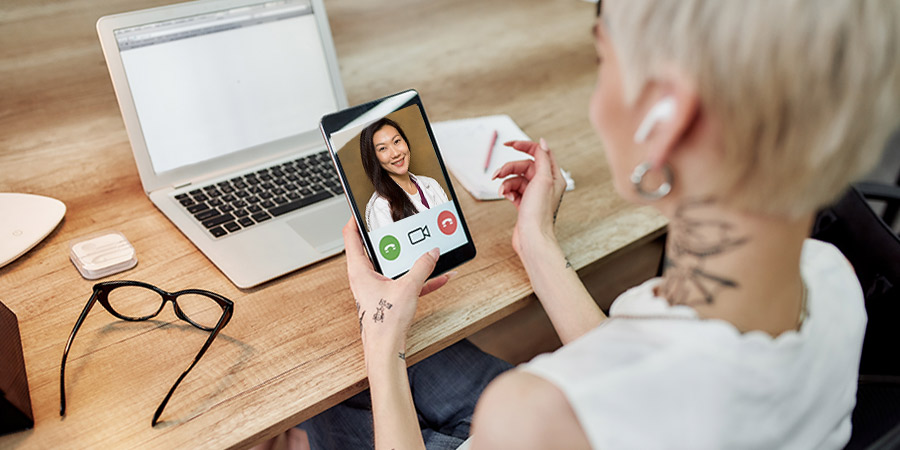
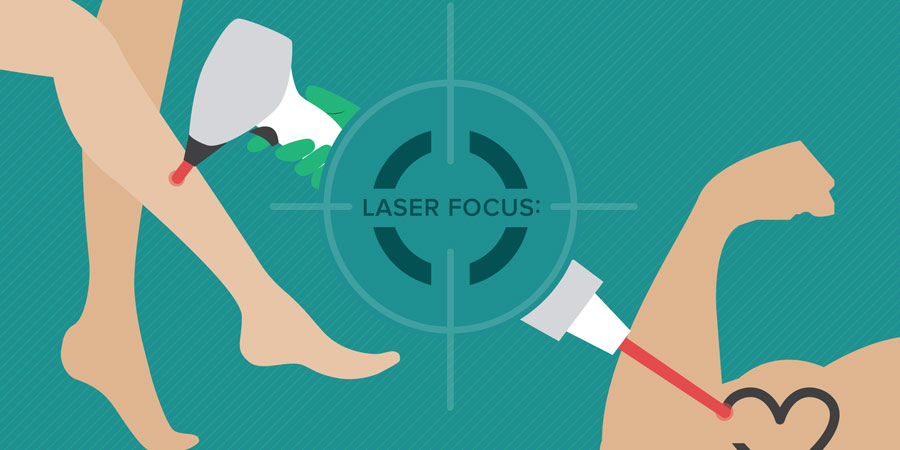
As people continue to stay home due to COVID-19 and elective procedures are postponed, telehealth video visits are great alternatives for non-emergent issues. The https://www.gbmc.org/vein Center at GBMC Health Partners is currently accepting telehealth video visits for patients in need of consultations for tattoo and laser hair removal. Video Consultations – How They Work Video visits for laser hair and tattoo removal are very similar to in-office appointments, allowing patients to address concerns with a specially-trained provider in the comfort of their own homes. "By scheduling a telehealth video appointment now, we can perform a patient’s initial consultation for laser tattoo or hair removal later, determining who is an appropriate candidate, and preparing them for treatment for when COVID-19 restrictions are lifted,” explains Jennifer Heller, MD, director of The https://www.gbmc.org/vein Center at GBMC. “During the video consultation, we will provide an overview of the laser process, discuss how to prepare for the first laser treatment, what to expect after treatment, and how many treatments will likely be needed for best results,” adds Esther Kim, FNP-BC, CWOCN, Certified Laser Specialist and Certified LSO (Laser Security Officer). Esther Kim, FNP-BC, CWOCN About Laser Tattoo Removal Video Consultation Even during a pandemic, people change their minds. And, when it comes to tattoos, what was once deemed a beautiful work of art may now be ink that you no longer love. For whatever reason, when you want a tattoo permanently removed, The https://www.gbmc.org/vein Center at GBMC offers laser tattoo removal telehealth consultations. Just like an in-office visit, your video visit will begin with a thorough review of your medical history to ensure future laser treatment is right for you. Your https://www.gbmc.org/vein Center provider will then ask to view the tattoo, its location on the body as well as its size, your skin type, and ask several questions including: What type of ink was used on the tattoo? What ink colors are in the tattoo? While all tattoos require multiple treatments, some colors are more difficult to remove and may need more laser sessions for the best results. How long ago did you get the tattoo? Is the tattoo covering another tattoo? Cover-ups can be tougher to remove due to the dense amount of ink deposited in the skin. Additionally, the provider will look for any scarring on the skin in the treatment area. All of these factors determine whether you are a candidate for laser therapy and help the provider develop a treatment plan for future tattoo removal. What You Need to Know About Laser Tattoo Removal The https://www.gbmc.org/vein Center’s specially-trained and certified laser tattoo removal specialists use the state-of-the-art Q-Switch laser for maximum tattoo removal results with minimal or no adverse events. This safe and effective procedure uses rapid bursts of laser energy, targeting the pigment in the ink just below the skin’s surface to fragment it into small pieces. Your body’s natural immune system then absorbs, breaks down, and disposes of the ink particles during the natural healing process. Most patients see noticeable changes in the appearance of the tattoo in a few weeks. As the ink fades with each treatment, clear areas will begin to appear in the tattoo. No More Unwanted Body Hair with Laser Hair Removal In addition to laser tattoo treatment, The https://www.gbmc.org/vein Center offers laser hair removal treatment as an outpatient procedure. Similarly, patients can schedule an initial telehealth video consultation for this popular service. During the video visit, the provider will discuss your medical history and then examine the area(s) of the body for the desired laser treatment. Goals of this initial video consultation are to determine whether or not an individual is a candidate for the treatment and will include: Identifying areas for laser hair removal Determining if the hair is a treatable texture and color “Being able to view the patient’s unwanted hair and the area of the body to be treated through the telehealth video visit will help determine candidacy,” says Ms. Kim. About Laser Hair Removal Laser hair removal is a common cosmetic medical procedure for women and men that eliminates the need to shave, wax, or tweeze unwanted hair on the body. It is a safe and effective procedure that uses very rapid bursts of laser energy that are attracted to the melanin in hair follicles. Following the video consultation, your provider will recommend the laser treatment that is best suited for your hair type and skin tone. Routinely, 6 to 8 consecutive treatments are required to achieve optimal results (individual treatment varies). Find out which areas of the body are commonly treated. Following the telehealth appointment, patients will be contacted to schedule an in-office appointment to begin treatment once elective procedures can resume. Schedule your telehealth video consultation for laser hair or tattoo removal treatment today – call The https://www.gbmc.org/vein Center at 443-849-6123.
<figure class="image-full"> <img src="/sites/default/files/hg_features/hg_post/9d918855b0fd103818696d1a37fac059.jpg" alt="Infographic: 8 Things to Know About Laser Hair and Tattoo Removal"> </figure> <div class="end-of-story"> </div>
<p class="article-body"> While telehealth is a simple tool for certain doctors’ appointments, it can be much more complicated for patients with specialized needs. The Presbyterian Board of Governors Cochlear Implant Center of Excellence at GBMC will begin using technology to provide hearing health to patients with cochlear implants virtually through a brand-new service called Remote Check. GBMC is one of only 20 centers in the United States and Canada that was chosen to <a href="https://www.prnewswire.com/news-releases/fda-expedites-approval-of-cochlears-remote-check-solution-for-cochlear-implants-301036357.html" target="_blank">participate in the initial market release</a>. <br> <br> Cochlear implants are devices that are surgically implanted into an ear that is no longer providing adequate speech understanding to the brain. When an individual is unable to receive speech understanding from a hearing aid, a cochlear implant is the next choice for improved hearing. This internal implant is powered by an external processor, worn on the ear or the side of the head, which takes sound and converts it to electrical impulses that travel up the hearing nerve. The brain interprets these signals and provides access to environmental sounds and speech by bypassing the damaged part of the ear. <br> <br> Hearing is a very complex process and the implant will need to be activated and adjusted after surgery to ensure that it is functioning properly. Without a working processor, most patients have no access to sound at all – they are in a world of silence. Lack of communication negatively impacts all areas of health and it is imperative to keep the cochlear implant functioning in order for patients to remain connected to the world around them. <br> <br> Prior to the release of Remote Check technology, there was no way to adjust the implant without patients physically being in the office. "Our clinic is eager to provide our patients with remote servicing opportunities, and we are excited to start using Cochlear's Remote Check offering," says Regina Presley, Au.D, FAAA, CCC/A, Senior Cochlear Implant Audiologist, “this innovative tool will have a tremendous benefit to ongoing patient care and service moving forward and, most importantly, right now during a time of distancing and telehealth services.” <br> <br> Remote Check allows clinicians to virtually connect to certain cochlear implant models and assess the hearing needs of the patient, regardless of location. Patients can also send pictures of their implant site, complete questionnaires, and take various hearing tests to monitor their progress. <br> <br> According to Dr. Presley, "many patients travel long distances for in-clinic care, need a caregiver to help them get to their appointments, and have competing school, personal and professional priorities. If we can provide at-home service options, we believe they will have a more positive healthcare experience overall. Every patient deserves timely, quality service to get the most from their hearing devices. Remote Check will ensure that patients receive the best care no matter where life and times like this take us." <br> <br> <em>*Click here for more information about the coronavirus (COVID-19)*</em> </p> <div class="end-of-story"> </div>
<p class="article-body"> At GBMC, we continue to work towards our mission of providing the care we would want for our own loved ones. While this may look different during these unprecedented times, we are still here to provide health, healing, and hope to our community. To stay safe, we strongly recommend that all of our patients heed Maryland’s safety guidelines. Your health is our priority, so our primary care and specialty offices are offering additional care options that can be provided virtually. <br> <br> We now have the ability to implement video visits with our patients, primarily through our MyChart patient portal. If you have not downloaded the MyChart app to your cell phone, tablet, or computer, we encourage you to do so. If you have any difficulty with installing MyChart, please call your primary care office and we will help you with this process. We suggest that you take this simple step and download the application now so that it is ready for you if you need it. For more information, please visit <a href="/node/2209" target="_blank">www.gbmc.org/mychart</a>. <br> <br> The coronavirus (COVID-19) has been the predominant focus in healthcare, but it is important keep your normal healthcare management a priority. This is especially important for patients with diabetes and other chronic diseases. We can use the equipment available in your home to review blood sugar readings, have you check your blood pressure and weight, and review test results with you. We want you to know that we are still here to meet your healthcare needs. <br> <br> In order to keep yourself and others safe, please continue to take the following measures: </p> <ul> <li> Practice physical distancing </li> <li> Wash your hands frequently </li> <li> Cover your nose and mouth with a cloth face covering when around others </li> <li> Avoid touching your face </li> <li> Disinfect frequently touched surfaces (doorknobs, light switches, etc.) on a regular basis </li> </ul> If you have any questions or concerns, please call your primary care office, and we can schedule a video visit or a phone call to assist you. For more information on primary care at GBMC, please visit <a href="/node/2531" target="_blank">www.gbmc.org/mydoctor</a>. <br> <br> Now, more than ever, is the time to focus on your health and take care of yourself. Get outside and exercise, catch up on sleep, and <a href="/node/3874" target="_blank">take care of your mental health</a>. We are encouraging patients not to come into the office if video visits are a viable option, but your care team is, and always will be, here for you during this challenging time. Feel free to reach out if you are having trouble or have any concerns about your health. We will do everything we can to serve you and keep you well. <br> <br> <em>*Click here for more information about the coronavirus (COVID-19)*</em> <div class="end-of-story"> </div>
<iframe class="embed-responsive-item" src="https://www.youtube.com/embed/Uz4GtEK1CVU" allowfullscreen="allowfullscreen"></iframe> <p class="article-body"> Join Rev. Joe Hart, Rev. Sandy Rector, and Ann Tabler, for the first Chapel Chat, celebrating Good Friday. </p>
<p class="article-body"> Our frontline providers (nurses, doctors, environmental and nutrition staff, etc.) are working around-the-clock to provide the best and most compassionate care to our patients. While we know they do not do this for the thanks or recognition, we wanted to take the time to acknowledge these providers for who they truly are: the heroes of our community. <br> <br> Here are just a few kind words that coworkers of these heroes have shared through our peer-to-peer recognition program: <br> <br> <strong>Jason J.</strong> – “Jason continually provides a logical and well thought out reason for everything we have been doing to cope with COVID-19 in our department. He makes sure to keep us informed and provide a level-headed demeanor. I’m thankful for his input and leadership during this time. He not only tries to help our staff, but our patients first. We all work more efficiently with Jason as a leader in our department.” <br> <br> <strong>Eris L.</strong> – “Due to COVID-19, an elderly patient who was receiving comfort care was limited on who they could see prior to passing away. Many members of their family were elderly or lived far away. Eris made calls for the patient and held the phone so that everyone could say their goodbyes. She sat with the patient while they cried, their loved ones cried, and she cried with them. Eris supported this patient when no one else could and sat with them to meet a need that only she could do that day.” <br> <br> <strong>Jackie T.</strong> – “Jackie is always a team player, but during this stressful time she is making extra sure that her co-workers are treated fairly. While in the Emergency Department, she made sure the work was divided equally to lessen exposure of those around her. She is always caring and always monitors the safety of not only her patients but her co-workers too.” <br> <br> GBMC is incredibly grateful for all who are going above and beyond to help our patients and community during this uncertain time. If you would like to show your gratitude, we ask that you consider supporting the <a href="https://www.classy.org/give/277949/#!/donation/checkout">HealthCare Workers Fund</a> to help those who are making the ultimate sacrifice to keep us safe. You may also <a href="https://gbmc.formstack.com/forms/encouraging_words_to_healthcare_workers" target="_blank">click here to send encouraging words to our frontline workers</a>. Kind words and thoughtful messages can make all the difference in the world! <br> <br> <em><a href=" https://www.gbmc.org/coronavirus">*Click here for more information about the coronavirus (COVID-19)*</a></em> </p> <div class="end-of-story"> </div>
<iframe class="embed-responsive-item" src="https://www.youtube.com/embed/BOR0tByASAw" allowfullscreen="allowfullscreen"></iframe> <p class="article-body"> Learn how you can make a difference for the health care workers fighting for you and your loved ones at https://www.gbmc.org/donations. <br> <br> Dr. Chessare delivers a weekly update on the COVID-19 situation for the GBMC community. Want to stay informed? Be sure to subscribe to our YouTube channel <a href="https://youtube.com/gbmcmedia">here</a>. <em>*Click here for more information about the coronavirus (COVID-19)*</em> </p>
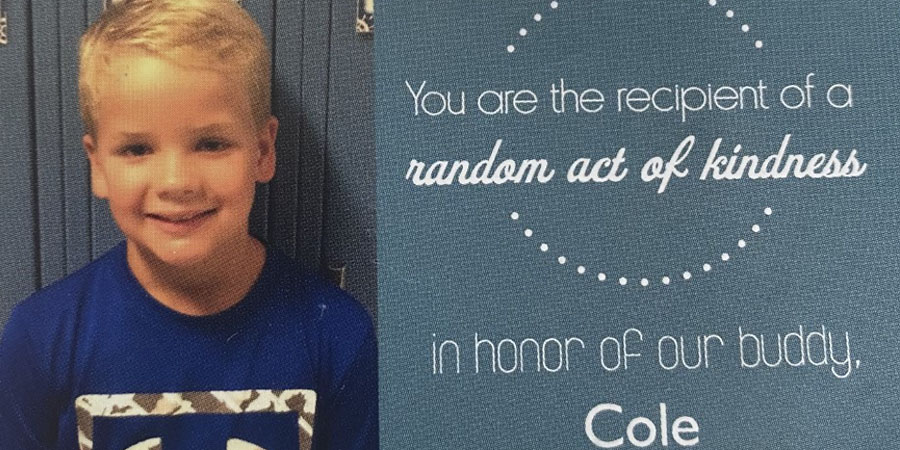
On November 6, 2016, Cole Aris unexpectedly passed away from a rare and aggressive form of lymphoma. Cole was an active, fun loving, 8-year-old boy, who loved baseball, fishing, and the beach. He was known for his smile and easy-going personality. Unfortunately, his life was cut far too short. All who knew and loved him have been left trying to cope with his loss ever since. Over the past few years, Cole’s family has received an outpouring of love and support; they have been overwhelmed by the amazing gestures and tributes in Cole’s memory. To give back, his family has decided that each year on March 27, Cole’s birthday, they will perform a good deed in his honor. In these unprecedented times, Cole’s family felt it was fitting to recognize healthcare workers for their selflessness and hard work. On behalf of Cole who was born at GBMC, they have decided to treat GBMC’s Emergency Department and Pediatric Emergency Department to a dinner in his honor. Today would have been Cole’s 12th birthday. “Every parent who loses a child fears that their child will one day be forgotten. It is important to keep his memory alive and we are constantly looking for ways to do so in our everyday lives,” says Suzanne Aris, Cole’s mother. GBMC is incredibly grateful for the selfless act of kindness performed by Cole’s family and would like to send our heartfelt thanks. It is in times like these that our community needs to stand together. Thank you for recognizing the hard work of our healthcare employees and may Cole’s memory live on forever. If you would like to give back to our healthcare workers, please click here.
<p class="article-body"> With everyone at home doing their part to flatten the curve during the coronavirus (COVID-19) pandemic, many are left wondering how they can help. As humans, it’s in our nature to want to lend a helping hand whenever and wherever we can. We realize that during this time it can feel increasingly difficult to make a difference. So, to make it easy for you, we’ve broken down five ways that you can support your healthcare community (from home) during COVID-19. <br> <br> </p> <h3> 1. Give Meals to Your Local Hospitals </h3> Nurses, doctors, environmental staff, and other essential healthcare personnel are working around-the-clock to care for our community during this time. If you can, think about donating food like bagels, coffee, sandwiches, or pizza to your local hospitals. Most of these medical professionals have little time to eat, let alone prepare meals for themselves. By donating already prepared meals, you’re helping healthcare employees stay nourished so that they can remain focused on caring for our community. If you would like to donate a meal or coffee to GBMC HealthCare employees, click here. <h3> 2. Donate Supplies If You Can </h3> We all know there is a shortage of personal protective equipment (PPE): cleaning supplies, gloves, masks, etc. If you can, consider sparing some of your supplies by donating them to healthcare professionals in need. If you have spare gloves, masks, hand sanitizers, cleaning supplies, or anything else that you feel you can part with, consider donating them. The CDC is encouraging the public to wear cloth face coverings, but these are different than medical-grade masks. <a href="/node/4247" target="_blank">Click here to learn more</a>. If you would like to donate masks, gloves, or any other supplies to GBMC HealthCare, click here. <h3> 3. Help Your Elderly Neighbors </h3> The older population is at the highest risk for serious symptoms from COVID-19. Do your part to help them whenever you can. Going to the grocery store? Check with your elderly neighbor or your grandparents to see if they need anything while you’re there. This pandemic has taught us the power of human kindness and hopefully has made you consider picking up the phone to check in with your older relatives more often than you typically would. We are all in this together, and we need to take care of ourselves and those around us as best we can. A small act of kindness can go a very long way. <h3> 4. Make a Donation to Support Funds </h3> Many non-essential employees have lost their paychecks and may be struggling to provide for their families. Did you know that many essential employees have also lost the ability to use public transportation to get to work? We have set up a <a href="https://www.classy.org/give/277949/#!/donation/checkout" target="_blank">GBMC HealthCare Workers Fund</a> to help those who are making the ultimate sacrifice to keep our community safe, the fund will be used to pay for staff transportation using Uber or Lyft. You may also <a href="https://gbmc.formstack.com/forms/encouraging_words_to_healthcare_workers" target="_blank">click here to send encouraging words to our frontline workers</a>. Kind words and thoughtful messages can make all the difference in the world! <h3> 5. Continue to Flatten the Curve </h3> At this point, you probably hear this once a day, if not more. However, we continue to stress the importance of helping to flatten the curve. Do not make unnecessary trips, do not gather in large crowds, and stay home and call your primary care doctor if you feel sick. Together we will get through this, and together we will flatten the curve. <br> <br> If you would like to make a donation to the GBMC HealthCare Workers Fund or donate food/supplies, we encourage you to visit our donation page here. <br> <br> <em>*Click here for more information about the coronavirus (COVID-19)*</em> <div class="end-of-story"> </div>