Podcasts
Practical, compassionate guidance from GBMC clinicians for every stage of life.

One of the things I have learned as a physician, and now have the privilege of thinking about every day as CEO, is that our responsibility to patients cannot be limited to the moments when we can cure something.
At GBMC HealthCare, our work begins long before someone enters the hospital and continues even when the goals of care change. We are committed to caring for people through every stage of life. That is why Gilchrist is such an important part of who we are.
Hospice is personal for me.
My first real experience with hospice was many years ago, when my father-in-law died peacefully at home, with family close by. I still remember the comfort that experience brought my wife and our family. Even the grandchildren were able to be present, which made a very difficult time feel more peaceful and full of love.
That experience stayed with me. It helped me understand that hospice is not about giving up. It is about dignity, comfort, presence, and helping people “add life to days, not more days to life.”
There is grief, of course. But there is also uncertainty, the stress that comes with becoming a caregiver, and the desire to make sure someone you love is comfortable and treated with dignity. Hospice teams help families carry that weight.
Before coming to GBMC, I also had responsibility for a visiting nurse, home health, and hospice organization. That experience reinforced something I believe strongly: healthcare should meet people where they are.
For hospice patients, that is very often wherever they call home.
I think many people hear the word “Gilchrist” or “hospice” and picture a building. And at Gilchrist, that is understandable. Our Gilchrist hospice centers are extraordinary places, and they provide comfort and dignity for patients and families at some of the most difficult moments of life.
But the reality is that most hospice care does not happen in a facility. At Gilchrist, approximately 85 to 90 percent of the hospice care we provide happens in the home, or wherever a patient calls home. That is an important distinction. Hospice is not simply a place. It is a philosophy of care that meets people where they are and surrounds families with support.
When someone is nearing the end of life, familiar surroundings and the presence of people they love can bring enormous comfort.
But getting home isn’t always possible. A patient may be too medically fragile to transport safely. Gilchrist’s mobile response team can bring hospice support to eligible patients in the hospital, allowing comfort-focused care to begin quickly while also giving families access to the emotional, spiritual, and practical support hospice provides.
To me, that is patient-centered care in its purest form: What does this person need, and how do we bring that care to them?
Now, Gilchrist is bringing that philosophy to Northern Virginia through its partnership with Inova. Gilchrist Inova is fully licensed and accredited and is awaiting final CMS certification. When fully operational, the program plans to care for approximately 100 patients. That means more patients and families will have access to the kind of compassionate, expert care that can make one of life’s hardest moments feel less frightening and less lonely.
The team also recently reached an extraordinary milestone on the path to final CMS certification: Gilchrist Inova completed its CHAP national accreditation survey with zero deficiencies.
At virtually the same time, right after the July 4 holiday, our Franklin Hospice team in Pennsylvania underwent its state survey and also had zero deficiencies.
Two teams. Two different geographies. Two surveys. Zero deficiencies.
That doesn’t happen because people prepare for a survey for a few days. In healthcare, excellence is the result of hundreds of small, disciplined actions done consistently.
These results reflect what teams do every day: follow best practices, communicate openly, support one another, pay attention to details, and remain accountable to the patients and families they serve.
I talk often about high reliability and our goal of zero harm. We set that bar because every patient, every time matters. These results show what that culture looks like in practice. Surveyors see policies, documentation, and processes. They don’t see every comforting hand held, extra phone call made, or quiet moment spent supporting a grieving family. But those moments are the heart of this work.
Congratulations to our clinical, quality and safety, administrative, and support teams at Gilchrist Inova and Franklin Hospice for these achievements. I am also grateful for Cathy Hamel’s leadership and her passion for making these important services more accessible across our region.
As our population ages, this work will only become more important. Gilchrist’s expansion gives us the opportunity to reach more patients and families without compromising the quality, dignity, and compassion that define its care.
I am incredibly proud of what these teams have accomplished. But more than that, I am grateful. Grateful that GBMC HealthCare includes people who understand that caring for someone at the end of life is not less important than caring for someone at the beginning of treatment. In many ways, it is one of the most sacred responsibilities we have.
That is what caring for people through every stage of life looks like, and it is one of the reasons I am so proud that Gilchrist is part of GBMC HealthCare.
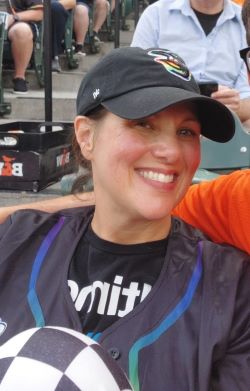
How long have you been at GBMC HealthCare?
Going on 7 years
What is one key way you support a zero harm/safety culture?
I feel having open communication and transparency, along with no blame leads to a team feeling safe to discuss the things that happened that shouldn't and collaborating on what a situation should look like. We also want to celebrate those "great saves". I also feel that when something is reported, it is important to follow back up with the team with either an update or conclusion, proving that safety actually is important and not just another report you have to complete.
What is the most rewarding part of your job?
I believe you do not start a career in healthcare unless you truly want to help people. This is my 26th year working in the health care industry and being able to make a small difference in someone else's day, whether they are a patient or a coworker, never gets old. It's what brings you back day after day and can sometimes make the harder days a little easier.
What's your favorite animal?
All of them. "If not friend, why friend shaped?"
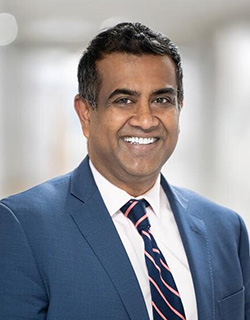
Bringing more than two decades of clinical and executive leadership experience, Dr. G is known for his commitment to transparency, accountability, and compassion. Learn more...
One of my favorite parts of our Monthly Leadership Meeting is something we call the Power of One.Each mon...
At our monthly leadership meeting recently, Brandon Costantino, Administrative Director from the Milton J...
Over the past year, one of the most important things I’ve focused on has been making sure we have the right leaders in the right roles.
I know many of you were probably sitting by your inbox at 6:30 Tuesday morning, eagerly waiting for this ...
One of the things I continue to appreciate about GBMC is just how many special communities exist within o...
I have a confession to make: I recently got scammed by our own IT team.An email landed in my inbox from â...
Practical, compassionate guidance from GBMC clinicians for every stage of life.