Podcasts
Practical, compassionate guidance from GBMC clinicians for every stage of life.

Food insecurity isn't only about hunger. It's a health issue.
We know that people who struggle to consistently access nutritious food are more likely to experience chronic conditions such as diabetes, heart disease and high blood pressure. And recent research from Feeding America's Food as Medicine initiative found something encouraging: among participants receiving consistent access to nutritious food and support, self-reported hospitalizations fell 14% and emergency department visits fell 11%.
As a physician, those numbers get my attention. But behind every number is a person, and that's what I've been thinking about lately.
My daughter volunteered at a food pantry this summer. It's actually difficult for teenagers to volunteer at many pantries because food distribution often happens during school hours. So, she decided summer was her opportunity. She became the first teenager to volunteer at this particular pantry.
She loved it.
She loved talking with the other volunteers and getting to know the people they served. More importantly, she came away understanding something that I hope stays with her: there is no single picture of what it looks like to need a hand. People from all walks of life need help sometimes. She was so moved by the experience that she now wants to volunteer there every summer.
I recently had a similar experience at the Mr. Mack Lewis Foundation in East Baltimore.
I spent time there with Gregory Wilkes, President of the Board of Directors and Executive Director. Greg and I quickly discovered some common ground: his grandson and my son are both sophomores at Indiana University. His grandson plays football for IU. My son plays intramural flag football for IU. Hey... I'll take the connection!
What stayed with me, though, was the incredible sense of community Greg and his team have created.
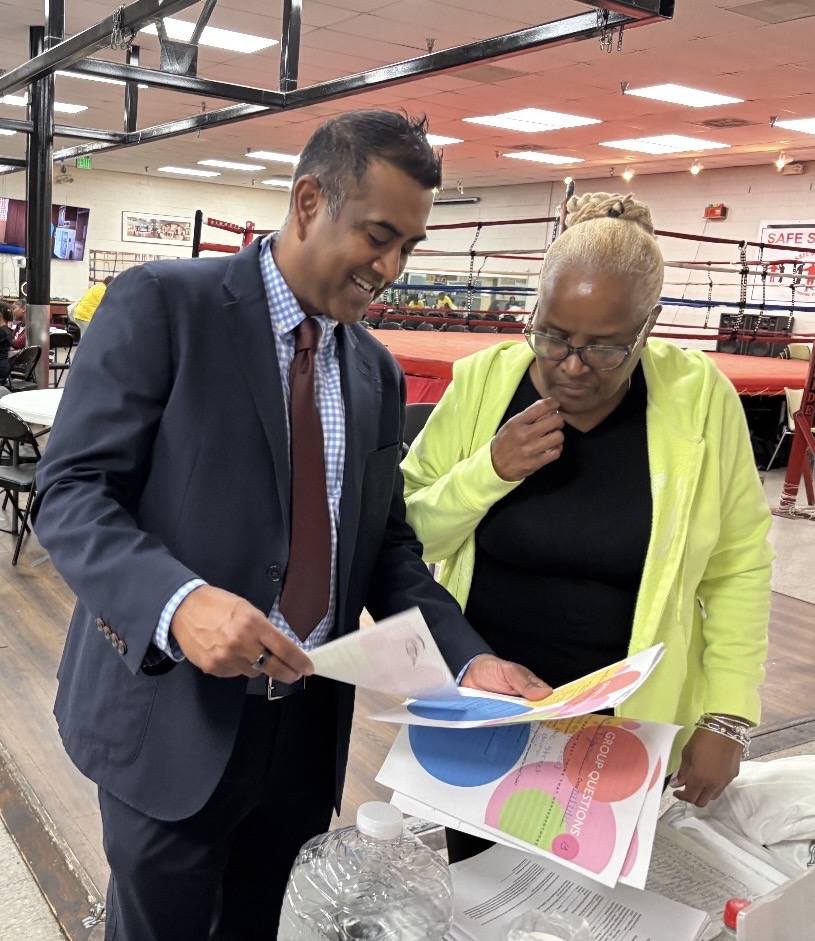
The Foundation carries forward the legacy of Mack Lewis, a Baltimore boxer and trainer who understood that a gym could be about much more than boxing. Today, the Foundation's work includes boxing and fitness, summer camp, mentoring and academic support, health programs, community outreach, and food assistance.
During my visit, I saw kids ranging from about five to 14 enjoying summer camp. The camp is free and includes boxing, activities, food, and experiences like a trip to Hersheypark. But what impressed me most wasn't any one activity. It was the people.
At one table, a staff member was making bracelets with the kids and talking with them about what they wanted to be when they grew up. There were aspiring doctors and nurses in the room. Perfect – GBMC's future workforce!
Then there is the food distribution.
Every Tuesday and Friday, tables are stocked with bread, fresh produce, dairy products, water, meat, and other groceries. Cars line up around the block and wait patiently as everything is prepared. Another line forms with neighbors who arrive on foot.
What struck me most was what wasn't there: judgment.
No IDs are checked. Staff members know many of the people they serve. There's conversation, banter, laughter, and kindness. Greg told me how committed they are to making sure no one feels uncomfortable asking for help.
That dignity matters.
At GBMC HealthCare, we know health doesn't begin when someone enters an exam room. In fact, so much of what determines our health happens long before we ever see a doctor.
That's why our work in Baltimore City is so important. Through what began as a grant-funded partnership, GBMC and Gilchrist are working with trusted community organizations like the Mack Lewis Foundation to expand access to primary and elder medical care while also helping address barriers to good health: things like access to nutritious food and transportation to medical appointments. I’m grateful to the many people across GBMC HealthCare who make this work possible – from those who spent countless hours developing grant proposals to our Community Benefit and Population Health teams, and so many others working behind the scenes. I also want to recognize Wayman Scott, Associate Director of DEI and Community Relations for Gilchrist, and our community health workers, who continue to nurture the relationships with our community partners that bring this work to life.
That is what community healthcare should look like: meeting people where they are, listening to what they need, and working alongside organizations that have already earned their trust.
Every one of us will need help sometime. Maybe it's groceries. Maybe it's healthcare. Maybe it's transportation, a mentor, an encouraging word, or simply someone willing to listen.
And every one of us has the opportunity to be that person for someone else.
That's what my daughter discovered this summer. It's what I saw at the Mack Lewis Foundation.
And it's a reminder I'll carry with me for a long time.
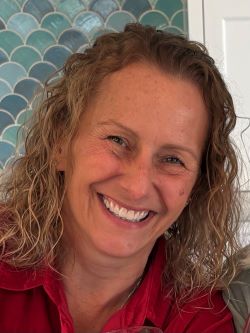
How long have you been at GBMC HealthCare?
2 years
What is one key way you support a zero harm/safety culture?
I believe one important, though perhaps somewhat subjective, way we can all support a zero-harm safety culture is by fostering kind, respectful, and supportive interactions among staff members and creating a team environment. In the Emergency Department, every staff member plays an equally important role on the team. I try to be a person my colleagues view as someone they can approach if they have concerns about a potential safety issue, have made an error, or (perhaps most importantly) have identified an error that I have made or may be about to make. When people feel intimidated by certain personalities or fear criticism, condemnation, or humiliation, they are far less likely to speak up about these concerns. When that happens, we are not providing the safest possible environment for our patients. We are all human and therefore capable of making mistakes. A culture in which team members feel comfortable supporting one another and speaking up about potential risks creates a stronger defense against harm than any individual effort alone.
What is the most rewarding part of your job?
The most rewarding part of my job is the personal interactions. While dramatic saves and successful resuscitations are undeniably exciting, and anyone who chooses Emergency Medicine has at least a little adrenaline junkie in them, those moments are thankfully not an everyday occurrence. I find that the days when I feel I am doing my best work are often the ones when patient volume is lower. During those shifts, I have the opportunity to sit with patients, take the time needed to explain what is happening, counsel them about their health concerns, and ensure I fully understand and address any fears or uncertainties they may have about their care. What I value most is the chance to connect with people on a personal level. I love being able to make someone laugh, ease their anxiety, and help them leave the Emergency Department feeling that they were heard, cared for, and that someone really cared about them.
What's one unique thing we'd be surprised to learn about you?
I once won a yodeling contest at Disney World's Epcot Germany at a Biergarten. Participants took turns standing up and yodeling in front of the entire restaurant, and the winner was chosen by audience applause. Somehow, my “yodel” was the crowd favorite!
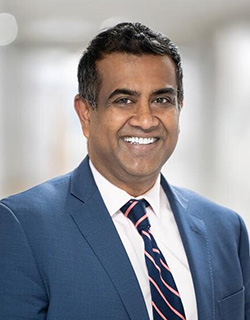
Bringing more than two decades of clinical and executive leadership experience, Dr. G is known for his commitment to transparency, accountability, and compassion. Learn more...
One of my favorite parts of our Monthly Leadership Meeting is something we call the Power of One.Each mon...
At our monthly leadership meeting recently, Brandon Costantino, Administrative Director from the Milton J...
Over the past year, one of the most important things I’ve focused on has been making sure we have the right leaders in the right roles.
I know many of you were probably sitting by your inbox at 6:30 Tuesday morning, eagerly waiting for this ...
One of the things I continue to appreciate about GBMC is just how many special communities exist within o...
I have a confession to make: I recently got scammed by our own IT team.An email landed in my inbox from â...
Practical, compassionate guidance from GBMC clinicians for every stage of life.