Podcasts
Practical, compassionate guidance from GBMC clinicians for every stage of life.

There are four words just about every parent has been tempted to say:
“Because I said so.”
Efficient? Absolutely. Helpful? Not particularly.
I know I tried it a few times as a relatively new parent. As I recall, it never worked particularly well.
I’ve been thinking about that phrase lately because I believe understanding why is important, especially when we’re making decisions that affect our patients and the people who care for them.
As leaders, we should welcome questions about our decisions. And we should be prepared to explain our thinking.
Following our November 12 Town Hall, several colleagues stayed to talk with me about a recent decision involving our critical care units. They raised important concerns about patient safety, patient flow, and how these changes would actually work. They were also candid that they were frustrated they didn’t feel they had a voice in the decision.
That feedback was important for me to hear.
From my perspective, there’s an important difference between setting a direction and working out exactly how we get there. We have set a direction, but we’ve just begun the planning process. There are still many details to work through, and the people doing the work need to help shape them. Their feedback, and the feedback of others involved in this work, needs to be considered as we determine how to make these changes safely.
We may not see every aspect of the decision the same way, but that doesn’t make their concerns any less important. I’m glad we had that conversation.
I’ve told our executive team that if we can’t explain why we’re doing something, we need to ask ourselves some questions, too. Sometimes, hearing another perspective helps us recognize something we hadn’t considered. Other times, it gives us a chance to explain what we’re trying to accomplish and why we believe it’s the right thing for our patients.
And once we make a decision, we have to own it. Our colleagues deserve more than “they decided.” They deserve to understand the thinking behind it.
Here’s a small example. A number of our leaders have told me they’d prefer our monthly leadership meeting go back to its old 11 a.m. time instead of 1:30 p.m. I’ve listened to the feedback, and I understand it. But I also have to weigh that against what our patients and teams need from our leaders each morning. Patient flow is critical, and I believe our leaders are more valuable helping their teams on the floors than spending those 90 minutes in a meeting with me.
That doesn’t mean I didn’t listen. It means I listened, weighed the feedback, and still came to a different conclusion. For now, we’ll stay at 1:30 p.m.
But at least you know why.
And sometimes listening does change the answer.
As we prepared for our December 1 parking changes, we had a plan we thought made sense for our patients and were prepared to move forward with it. Then someone raised a concern about our Emergency Department nurses who work mid-shifts and finish after 11 p.m. We hadn’t fully accounted for what the change would mean for them at that hour.
We took that feedback seriously, asked our operational team to look at it, and made an adjustment before the new parking plan went into effect.
That’s how I think this should work. Listening doesn’t mean every decision changes. Sometimes feedback helps us work through the details. Sometimes we listen and stay with the original decision. And sometimes someone points out something we missed, and we change course.
All three are listening.
Either way, the conversation matters. And I want us to have more of them.
In fact, I’d like to buy you lunch.
In October, I started hosting monthly lunches with small groups of colleagues from across our health system. About 10 of us get together at a time, and I get to hear what’s on people’s minds.
I realize spending your lunch break with the CEO may not be everyone’s idea of a good time, but I’ve really enjoyed these lunches! I’ve had the chance to get to know colleagues I might not otherwise meet, hear about their experiences, and learn what’s working well and what we could do better.
Anyone can sign up to join me, regardless of your role. I hope you will. If a lunch is full, we’ll keep your name on the list for a future one.
Our Town Halls are another opportunity to have these conversations. At our November Town Hall, you certainly gave us plenty to talk about!
We answered as many questions as we could that day and recorded a follow-up video to answer the rest. If you missed the Town Hall or want to hear more, you can watch both recordings. (Note that you'll be prompted to sign into GBMC's network):
And remember, you don’t need to wait for a Town Hall or have lunch with me to share what’s on your mind. You can email me or another executive leader, respond to surveys, use the feedback QR code on our executive huddle board, or simply stop us when you see us.
Our Leadership Pledge calls on us to listen with intention and communicate openly and honestly. To me, that means being willing to have the easy conversations and the hard ones, to learn from one another, and to help people understand the reasons behind our decisions.
We won’t always see everything the same way. But we share something much more important: a commitment to providing the care we would want for our own loved ones.
So please, keep asking why.
And I commit to giving you a better answer than “because I said so.”
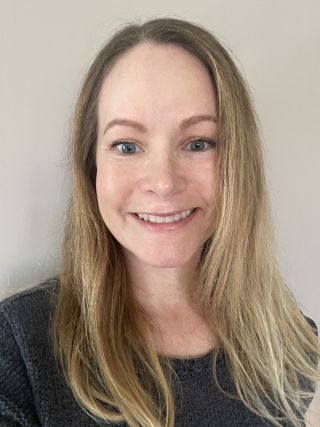
How long have you been at GBMC HealthCare?
Four years
What is one key way you support a zero harm/safety culture?
If I see a problem or potential issue that can impact patient care I make sure to report it, either to management or through STAR reports.
What is the most rewarding part of your job?
One of the most rewarding aspects of my job is educating both staff and patients. When working with staff, I enjoy breaking down complex information into concepts that are easy to understand and remember. When it comes to patient care, I find it especially rewarding to help patients stay informed, feel confident and take a role in their own care.
What is your favorite hobby?
Baking
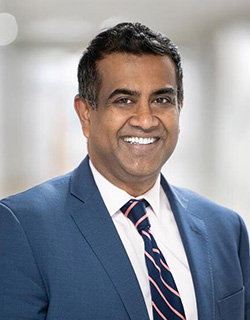
Bringing more than two decades of clinical and executive leadership experience, Dr. G is known for his commitment to transparency, accountability, and compassion. Learn more...
There are four words just about every parent has been tempted to say:“Because I said so.”Efficient? A...
Recently, I received a letter from a husband whose wife spent her final days at GBMC. His words stayed wi...
You know that look people get when they’re lost?They look down one hallway, then another, trying to fig...
Every once in a while, you hear a story that reminds you just how extraordinary healthcare can be. And wh...
Every so often, I get a call or text from a friend or family member: “Paari, can I ask you a healthcare...
This story is a little embarrassing, but here goes.Not long ago, I finished my workday, walked to the Ber...
Practical, compassionate guidance from GBMC clinicians for every stage of life.