Podcasts
Practical, compassionate guidance from GBMC clinicians for every stage of life.
When a survivor of sexual assault, domestic violence, or child abuse arrives at GBMC’s SAFE & DV Program, trauma-informed care begins immediately. Specially trained forensic nurses provide expert medical treatment while restoring a sense of safety and control—explaining each step, seeking consent throughout the examination, and moving at the survivor’s pace. Every interaction is grounded in dignity, compassion, and respect.
But trauma-informed care does not end in the exam room. True survivor-centered response requires alignment across healthcare, law enforcement, prosecution, policy, and philanthropy. Over the past decade, GBMC’s Sexual Assault Forensic Examination, Domestic Violence (SAVE & DV) and Child Protection Program has strengthened that alignment — building a coordinated system designed to minimize re-traumatization while maximizing both healing and accountability.
“Trauma-informed care means recognizing how violence impacts memory, trust, and decision-making,” said Laura Clary, MSN, RN, FNE-A/P, SANE-A, SANE-P, Program Director. “Our partnerships with law enforcement are intentionally structured to ensure survivors experience compassionate, trauma-informed support at every stage, from the moment they arrive at GBMC, through the investigation and legal process, and ultimately to the point of offender accountability in court.”
One of the most transformative partnerships has been with the Baltimore County Police Department. Major Brian Edwards helped reform investigative practices that historically discouraged survivor participation. Under his leadership, outdated “victim waiver” forms were eliminated and a 75-year evidence retention policy was implemented—ensuring that sexual assault evidence, including decades-old forensic materials, is preserved for future testing rather than discarded prematurely.
That preservation has proven critical. Through collaboration between GBMC clinicians and law enforcement, archived forensic evidence has been reexamined using advanced DNA technology — identifying serial offenders, linking cases across jurisdictions, and delivering long-delayed justice to survivors.
“Our responsibility extends beyond solving cases,” said Major Edwards. “By responding with a ‘Trauma-Informed, Victim-Centered, Offender-Focused’ philosophy, we can ensure investigations are conducted in a way that also empowers victims during their post-crime recovery. This builds trust and inserts accountability into the investigative process.”
Detective Scott Kilpatrick, a member of the Baltimore County Police Department’s Crimes Against Children Unit, represents the next evolution of trauma-informed investigation. Nationally recognized for his expertise in trauma-informed interviewing, Kilpatrick partners with GBMC to train multidisciplinary professionals across the country — emphasizing how trauma affects memory recall, communication, and survivor behavior.
“Understanding trauma changes how you conduct an interview,” said Detective Kilpatrick. “When law enforcement shifts from an interrogation mindset to a collaborative, trauma-informed approach, we create a safe environment for everyone. This safe environment allows for uninterrupted narratives that focus on all of the details, both strengthening the quality of the evidence and ensuring the interview itself does not deepen the victim’s harm.”
Embedding trauma-informed principles into law enforcement strengthens survivor trust and improves investigative outcomes. Within GBMC’s hospital-based model, survivors may speak confidentially with a trained Law Enforcement Liaison before deciding whether to pursue a formal report. This coordinated approach reduces barriers, protects survivor autonomy, and reframes law enforcement as a collaborative partner in care.
Philanthropic leadership has accelerated this systemic progress. Under the leadership of Nancy Hackerman, The Hackerman Foundation has invested significantly in advancing DNA testing of archived sexual assault evidence—supporting cold-case investigations and reinforcing Maryland’s commitment to preserving and testing forensic materials. That investment has strengthened statewide coordination among healthcare providers, investigators, prosecutors, and policymakers, demonstrating how targeted philanthropy can catalyze structural change.
Together, these partnerships form what GBMC now recognizes as its Circle of Advocates — a network of professionals and leaders whose collective efforts have transformed how survivors are supported across Maryland. Detectives who refine investigative practices. Legislators who strengthen evidence-retention laws. Philanthropists who fund testing and training. Healthcare providers who deliver compassionate, expert care at the point of crisis.
Trauma-informed investigation and trauma-informed care are no longer parallel efforts. At GBMC, they are integrated — guided by science, sustained by partnership, and strengthened by shared accountability.
When systems align, survivors encounter more than a hospital or a detective. They encounter a coordinated response rooted in dignity, evidence, and justice—a circle ready to listen, ready to act, and ready to stand beside them for as long as it takes.
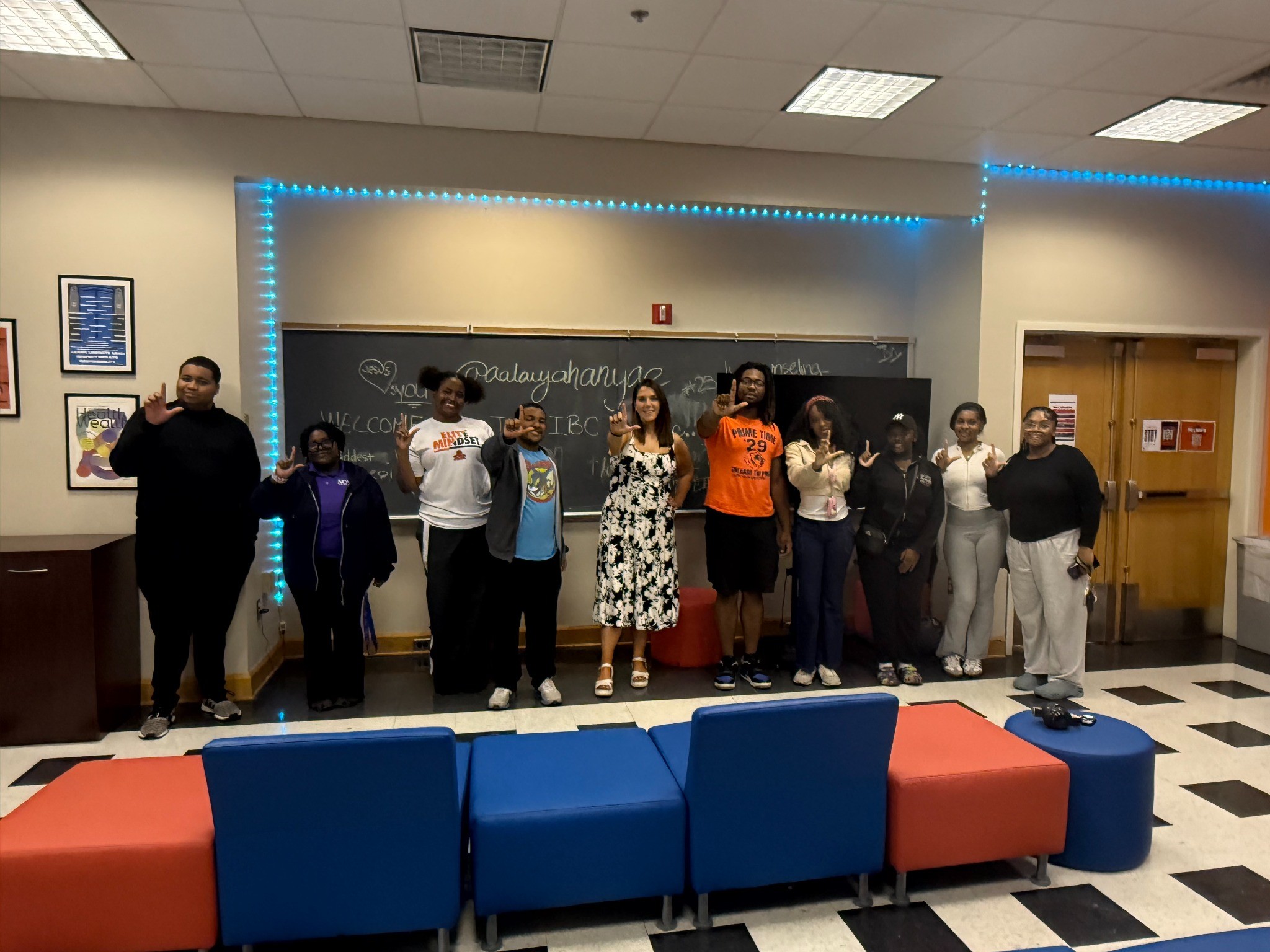
Photo: On October 6, the SAFE & DV Program participated in and presented at "Purple Table Talk Session Two-Bystander Engagement andDomestic Violence" at Lincoln University -a public state-related historically black university in Lower Oxford Township, Pennsylvania. Participants learned strategies for stepping up, speaking up, and supporting their peers through increased awareness of domestic violence. The "L" sign each participant is making celebrates Lincoln University

The GBMC SAFE & DV Program offers free, specialized, and confidential services to victims of human sex trafficking.
Practical, compassionate guidance from GBMC clinicians for every stage of life.