Podcasts
Practical, compassionate guidance from GBMC clinicians for every stage of life.
If a loved one has survived a stroke, you are likely filled with relief, as stroke is the fourth leading cause of death in the United States. But despite the stroke not being fatal, recovery can often feel like the start of an uphill battle. Depending on the severity of the stroke and how long blood was blocked from the brain, it may take months or even years to regain functions. Because the brain was deprived of oxygen, and brain cells may be severely damaged or lost, it is very common for stroke survivors to lose cognitive and physical abilities.
The severity of complications from stroke vary widely from person to person. Each survivor's ability to recover is completely different, depending on the damage to the central nervous system, state of mental health and willingness to practice regained skills. If you plan to play an active role in a stroke survivor's recovery, it's important to maintain compassion and patience; progress can be slow and is not easily predictable. As May is National Stroke Awareness Month, here are some tips for caregivers and family members who want to aid in a loved one's stroke recovery:
GBMC offers a number of resources for stroke survivors, including the Center for Neurology, the Gilchrist Services Support Our Elders Program, Yoga for Stroke Survivors, and The Center for Rehabilitation Medicine. In addition, you may be interested in referring your loved one to a stroke support group. A brief list is included below for your reference. Remember progress, not perfection!
6:00 - 7:30 pm
Burton Pavilion Conference Room: 1st floor
410-550-7793
Third Wednesday of every month
10:30 - 12:00 noon
443-643-1000 (main hospital number)
1:00 - 2:30pm
443-777-7900
2:30-3:45pm
MMI Conference Room
667-234-3246
Endometriosis is a complex condition that can affect more than just menstrual cycles. It may cause pelvi...
As we age, our skin becomes thinner and more porous, which means wounds can happen more often and take ...
From Paari Gopalakrishnan, MD, MBA, GBMC HealthCare, President and CEOAs a hospitalist, I heard this ques...
Marsha Hammond's positivity is catching. In fact, she does what she can to share it with anyone who might...

Ranked as one of the hospitals in Maryland with the highest stroke survival and recovery ratesAccording t...
Setting new standards for surgical treatments that are less invasive and more beneficial to patientsPower...
Review GBMC’s Quality & Patient Safety Metrics — our transparency dashboard showing performance on CLABSI, hand hygiene, HCAHPS, hospice comfort, and more.”
img.wellbeing { max-width:900px; } @media only screen and (max-width : 700px) { img.wellbeing { ma...
GBMC is committed to the wellness of each employee as a whole person – this includes physical, emotiona...
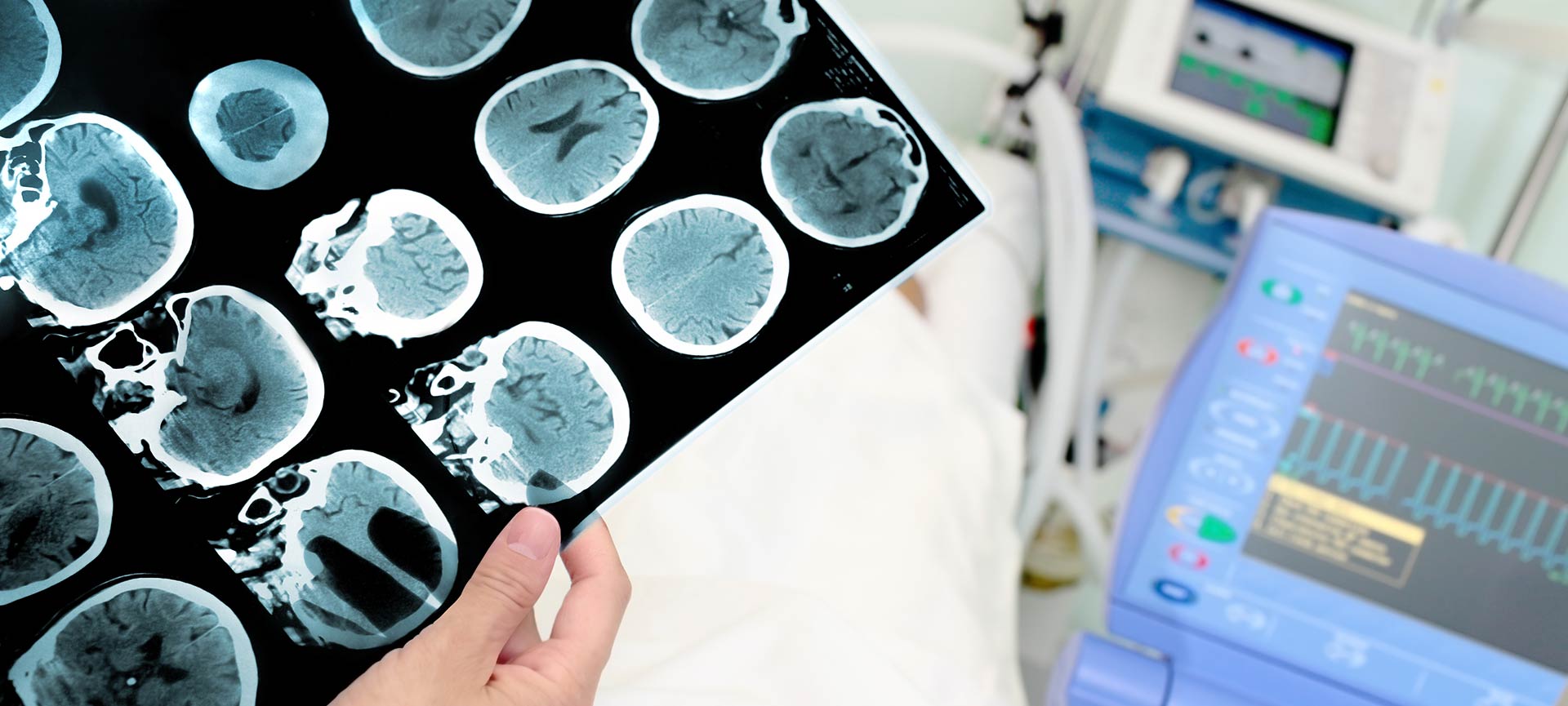
A focused, disciplinary approach to the diagnosis and treatment of neurological conditionsGBMC's Center f...
Practical, compassionate guidance from GBMC clinicians for every stage of life.