Podcasts
Practical, compassionate guidance from GBMC clinicians for every stage of life.
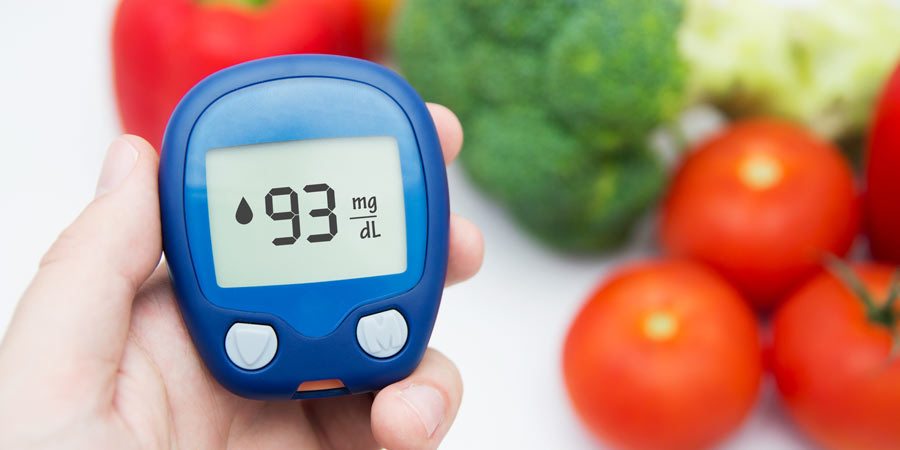
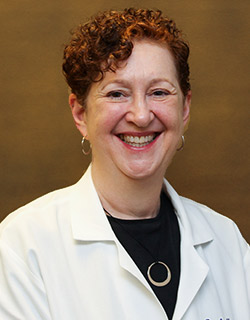
More than 29 million people in the United States have diabetes, but many more are at risk and are living with a condition called prediabetes. Patients whose blood glucose is too high to be considered normal but are not diabetic are considered to be in the danger zone. "The criteria for prediabetes is a fasting blood sugar between 100-125 and the results of another test called a hemoglobin A1C, which checks what blood sugar has been over the last three months," says Dr. Ruth S. Horowitz,Chief of the Division of Endocrinology at GBMC. "If the A1C is between 5.7 and 6.4, the blood sugar is moderately elevated and indicates prediabetes.”
Luckily, if you've been diagnosed with prediabetes, the progression to type 2 diabetes is not inevitable. There are lifestyle changes you can make to take control of your blood sugar. Focus on cutting high-carbohydrate foods, which easily break down into glucose and raise blood sugar levels faster than the body can produce sufficient insulin. By limiting the amount of carbohydrates you consume, the body can dispose of the glucose more effectively and maintain a normal blood sugar level. Dr. Horowitz recommends the following:
Working out is another effective way to stop diabetes in its tracks. Muscle is the largest consumer of glucose. By exercising, you increase the movement of glucose into the muscle, where it is broken down into energy and lowers blood glucose levels. Try to get 30 minutes of moderate exercise that raises your heart rate at least five times a week.
The Geckle Diabetes and Nutrition Center offers individual diabetes self-management education and medical nutrition therapy for patients with diabetes at several GBMC Health Partners practices. Visit www.gbmc.org/mydoctor to find a primary care provider who can help you develop a healthy action plan and connect you with a Registered Dietitian and Certified Diabetes Educator.
Aching back. Sore knees. Shooting pain down your legs. Many older adults chalk these up to getting older...
GLP-1 medications like Ozempic and Wegovy have dominated health headlines in recent years. Originally de...
Endometriosis is a complex condition that can affect more than just menstrual cycles. It may cause pelvi...
As we age, our skin becomes thinner and more porous, which means wounds can happen more often and take ...

GBMC is committed to the wellness of each employee as a whole person – this includes physical, emotiona...
...
Ranked as one of the hospitals in Maryland with the highest stroke survival and recovery ratesAccording t...
Review GBMC’s Quality & Patient Safety Metrics — our transparency dashboard showing performance on CLABSI, hand hygiene, HCAHPS, hospice comfort, and more.”
img.wellbeing { max-width:900px; } @media only screen and (max-width : 700px) { img.wellbeing { ma...
Practical, compassionate guidance from GBMC clinicians for every stage of life.