





Podcasts
Practical, compassionate guidance from GBMC clinicians for every stage of life.

Beginning July 23, providers from Colon & Rectal Surgery at GBMC are seeing patients for consultations and post-operative follow-up appointments in Bel Air.
Our team focuses solely on diseases of the lower intestinal tract – small intestine, colon, appendix, rectum, and anus – performing all relevant diagnostic and therapeutic interventions using evidence-based techniques, including specific surgical protocols to enhance the recovery process. Our surgeons collaborate with gastroenterologists, medical oncologists, radiation oncologists, and surgeons from other specialties to offer fully integrated treatment plans to patients with complex colon and rectal conditions.
In addition to providing expert clinical care, we establish meaningful connections with patients, treating them with respect and compassion throughout the surgical process.
Our practice employs a variety of procedures to diagnose and treat colorectal disorders. Some of these tests are done in the office and some in the hospital. If you have a question about whether you are a candidate for any of these tests or procedures, please ask us. For additional information on these conditions, try this website: https://fascrs.org/patients/diseases-and-conditions.
Lower endoscopic ultrasound
What is a colon and rectal surgeon and how do I know if I need to see one?
A colon and rectal surgeon is a general surgeon who has completed additional specialty training in the diagnosis and treatment of surgical diseases of the colon and rectum. Most diseases of the colon and rectum may be diagnosed and treated medically by your primary care doctor or gastroenterologist. However, you may be referred to a colon and rectal surgeon to consider surgical treatment options if medical treatment is insufficient.
What types of problems might require surgery instead of medical treatment?
Diseases such as cancer, diverticulitis, and inflammatory bowel disease (Crohn’s disease and ulcerative colitis) often require surgical treatment. Disorders of the anus and rectum such as hemorrhoids, abscesses, fistulas, and fissures may also require or benefit from surgical treatment.
What are some signs and symptoms of colon cancer?
Symptoms can include abdominal pain, change in bowel habits, rectal bleeding, and unexplained weight loss. All symptoms should be fully evaluated by your physician.
What is a polyp?
A polyp is a growth in the colon or rectum. It is usually small and doesn't cause symptoms. Some polyps, if left in the colon long enough, can become cancerous.
What is a colonoscopy?
This is an examination of the colon and rectum. The procedure uses a camera attached to a flexible tube that's used to examine the colon lining.
What's the average length of a colonoscopy?
This total patient time generally takes between 2 - 3 hours. The procedure is less than 30 minutes.
At what age should I start having a regular colonoscopy?
The average age for regular screenings is 45, however individuals who are at higher risk or are exhibiting symptoms, should start earlier.
Do I need to be referred by my primary care physician?
Our doctors do not require a referral, but your insurance company may require one.
What causes hemorrhoids?
Hemorrhoids are caused by an increase in pressure in the veins of the rectum. This increased pressure can result from things such as pregnancy, heavy lifting, or long periods of sitting. Other causes of hemorrhoids include constipation or diarrhea, so a diet low in fiber and high in fat should be avoided.
Scheduling A Colonoscopy
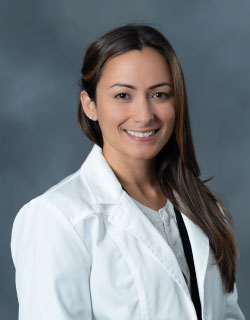
Dr. Valerie Cabrera Leon breaks down the signs and symptoms of colorectal issues and the importance of scheduling a colonoscopy.
Knowing the risks of colon cancer
Colorectal cancer is one of the leading causes of cancer deaths in the U.S. Annually, 150,000 Americans are diagnosed with it. This form of cancer is highly preventable and easily detected early with proper screening. Dr. Nina Ferraris shares some of the signs and symptoms.
Practical, compassionate guidance from GBMC clinicians for every stage of life.