Podcasts
Practical, compassionate guidance from GBMC clinicians for every stage of life.

I’ve always been struck by a line from George Bernard Shaw: “The single biggest problem in communication is the illusion that it has taken place.” It resonated with me years ago, and it still does—because I, like many leaders, have experienced moments where I thought I was clear, only to realize that people walked away with different interpretations or no message at all.
As I’ve grown in my leadership roles, communication has become one of my greatest areas of focus. It’s also one of the hardest parts of leadership. And here’s the truth: it is the leader’s responsibility to ensure communication actually reaches their teams—not the other way around.
I’ve heard you clearly in our employee engagement survey: inconsistent communication is a major frustration. When communication breaks down, trust erodes, alignment slips, and work becomes harder than it needs to be. We must do better. I must do better.
To address this, I asked a cross-functional group—including Marketing, HR, IT, Emergency Preparedness, and others across all GBMC HealthCare work systems—to help improve how information flows from leaders to every employee. Their goal was simple: reduce noise and increase clarity. This wasn’t about more communication, but more effective communication. We tightened criteria for systemwide emails, updated communication guidelines, and cleaned and automated distribution lists. Already, systemwide broadcast emails have been reduced by about half. A strong start.
Now I’m excited to share the next step. Moving forward, all systemwide email messages will come with one of three clear priorities:
These labels will help you quickly discern what needs your attention and when. They also serve as a cue for leaders: if a time-sensitive Action Required message goes to a team that doesn’t use email regularly, it is the leader’s responsibility to ensure the message is conveyed in another way. As I’ve said before, communication must reach the people who need it. Leaders have to earn their leadership—one of my favorite Michael Jordan philosophies.
And we are fortunate to have outstanding leaders across GBMC HealthCare. We introduced this new framework at last week’s leadership meeting, and the reception was overwhelmingly positive. Every leader has been tasked with completing this Department-Level Communication Plan template to ensure information is cascaded reliably and consistently.
What can you expect going forward? Fewer broadcast emails. Clearer message priorities. More consistent departmental communication. And continued action based on your feedback.
Thank you for the work you do every day—clinical, nonclinical, onsite, remote, day, evening, and night. You deserve communication that supports you, not burdens you. This is just the beginning, and I’m grateful to take this next step together.

How long have you been at GBMC HealthCare?
18 years
What is one key way you support a zero harm/safety culture?
I like to listen to what the patient needs, clinically assess this situation, and ensure that the patient's medical and social needs are met upon discharge. Attention to detail is very important to me to ensure that the little things that might fall through the cracks don't get missed.
What is the most rewarding part of your job?
Our team gets the opportunity to make a dramatic and lasting impact on the outcome of our patient's hospital stay. Being able to help patients and families navigate through what can oftentimes be a stressful medical situation can be very rewarding.
Favorite food?
Pizza - growing up, my family made pizza from scratch every Saturday night. We still carry on this tradition now.
COMMENTS
**Anonymous commented on 2/3/26 at 16:22:**
I already feel the positive shift in the leadership on my unit and l can only but attribute it to your leadership. You are already making a difference and looking forward to the first town meeting and the whiteboard. I always wonder what goes on in that office when l sees everyone rushing in for the meeting!
**Dr. Gopalakrishnan replied:**
Thank you so much. Engaging with our team members is truly the best part of my job!
**Anne Timmons commented on 2/3/26 at 07:58:**
I had never heard that quote before, but wow is that line powerful. It's so easy to "talk to the team" about a priority, a key message, but how do we know it landed? That line makes it clear that we as have pause after delivery to ask - and listen to the answer - "did that make sense, do you have questions?"
I'm always amazed by my youngest son's innate ability to communicate well. He's 35 but has been so good with managing teams and working in relationships since he was young child. I've even asked him for advice on occasion and he's always spot on. For some leaders, it's a gift. For others, the work is important to do!
**Dr. Gopalakrishnan replied:**
Thanks for sharing. I sounds like it is a special skill for him.
**Barbara Bodyk commented on 2/3/26 at 06:56:**
I've managed Epic maintenance-specific communication for quite a while, and I created the Epic-IT message layout to help guide others toward highlighting only the essential details.
I appreciate you prioritizing the communication plan updates-they were long overdue. I'll revise my wording to align with the new standard and look forward to ensuring the messages continue to land effectively.
**Dr. Gopalakrishnan replied:**
Thank you Barbara.
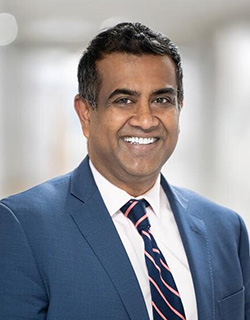
Bringing more than two decades of clinical and executive leadership experience, Dr. G is known for his commitment to transparency, accountability, and compassion. Learn more...
A few weeks ago, we held our latest systemwide Town Hall. Across the two virtual sessions, 509 people joi...
I hope everyone had a wonderful Fourth of July weekend and managed to stay cool."Hot" didn't really cover...
We rarely stop in healthcare. But a few weeks ago, we did, and it may have been one of the most important...
A few weeks ago, I had the privilege of helping mark a milestone that was both inspiring and humbling.Bob...
Around here, we talk a lot about treating every person the way we would want our own loved ones treated. ...
Last month, many of you took the time to complete our Employee Voice Pulse Survey, which was a brief chec...
Practical, compassionate guidance from GBMC clinicians for every stage of life.