Dr. Chessare Addresses the Pediatric Surge in Hospitals
October 27, 2022Know Before You Go! (Download as a flyer)
See Your Pediatrician or Family Medicine Physician
In most cases, it’s best to contact your child’s pediatrician or family medicine physician first with any health concerns. Most practices offer after-hours phone lines for parents to speak with an on-call nurse about their child's symptoms. Medical concerns that can usually wait until the next day are:
- Cough or sore throat
- Vomiting or diarrhea
- Runny nose
- Ear pain
- Eye drainage
- Fussy baby
- Fever of 100.4 F/38.0 C or greater before any medication is given
*height of fever doesn't indicate severity of illness
Go to an Urgent Care Facility
Health issues don’t always happen during business hours, especially with children. If your child has an illness or injury that is not life threatening, but can’t wait until the next day, an urgent care facility is the place to go.
Common non-life-threatening illnesses/injuries are:
- Small cuts or minor burns
- Fractures or broken bones that aren’t causing severe pain
- Sprains
- Sinus infections
- Pink eye
Go to the Emergency Department
Pediatric and adult Emergency Departments are intended to care for those who have serious, life-threatening illnesses or injuries that require immediate medical attention.
Take your child to the Emergency Department in these cases:
- Trouble breathing/shortness of breath
- Head, spinal cord, or eye injury
- Seizure
- Severe bleeding or burns
- Chest or stomach pain/pressure
- Allergic reaction (swelling of face, lips, tongue, eyes; fainting; trouble breathing; hives)
- Lips, skin, or fingernails that have turned blue or purple
- Fever (100.4 F/38.0 C or greater, taken rectally before any medication is given) in an infant younger than two months old
- Uncontrolled pain
- Animal or human bite
Related Providers
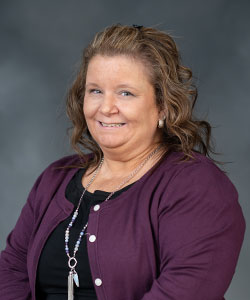

Andrea Fontanez, FNP-C, FNP-BC
Nurse Practitioner - Family +1 more
GBMC Health Partners


Related Articles
Laronix Launches Voice Restoration Study for ICU Patients at Greater Baltimore Medical Center
FOR IMMEDIATE RELEASE Baltimore, MD (March 16, 2026) – Greater Baltimore Medical Center (GBMC) and Laro...
Understanding Endometriosis and Finding Relief
March is Endometriosis Awareness Month, a time to discuss a condition that affects 1 in 10 women.Despit...
Understanding Perimenopause
Today, women spend nearly 40% of their lives post menopause, navigating a range of physical, hormonal, and emotional changes that can drastically impact their quality of life.
Neal’s Story: Longer Walks, A Bigger Life
Neal Cook wanted something that sounds simple but felt, for a long time, impossibly out of reach: to feel...