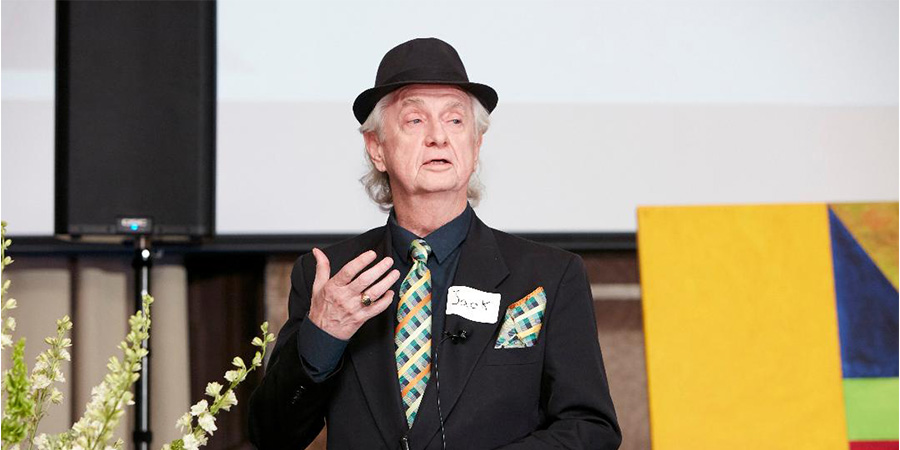
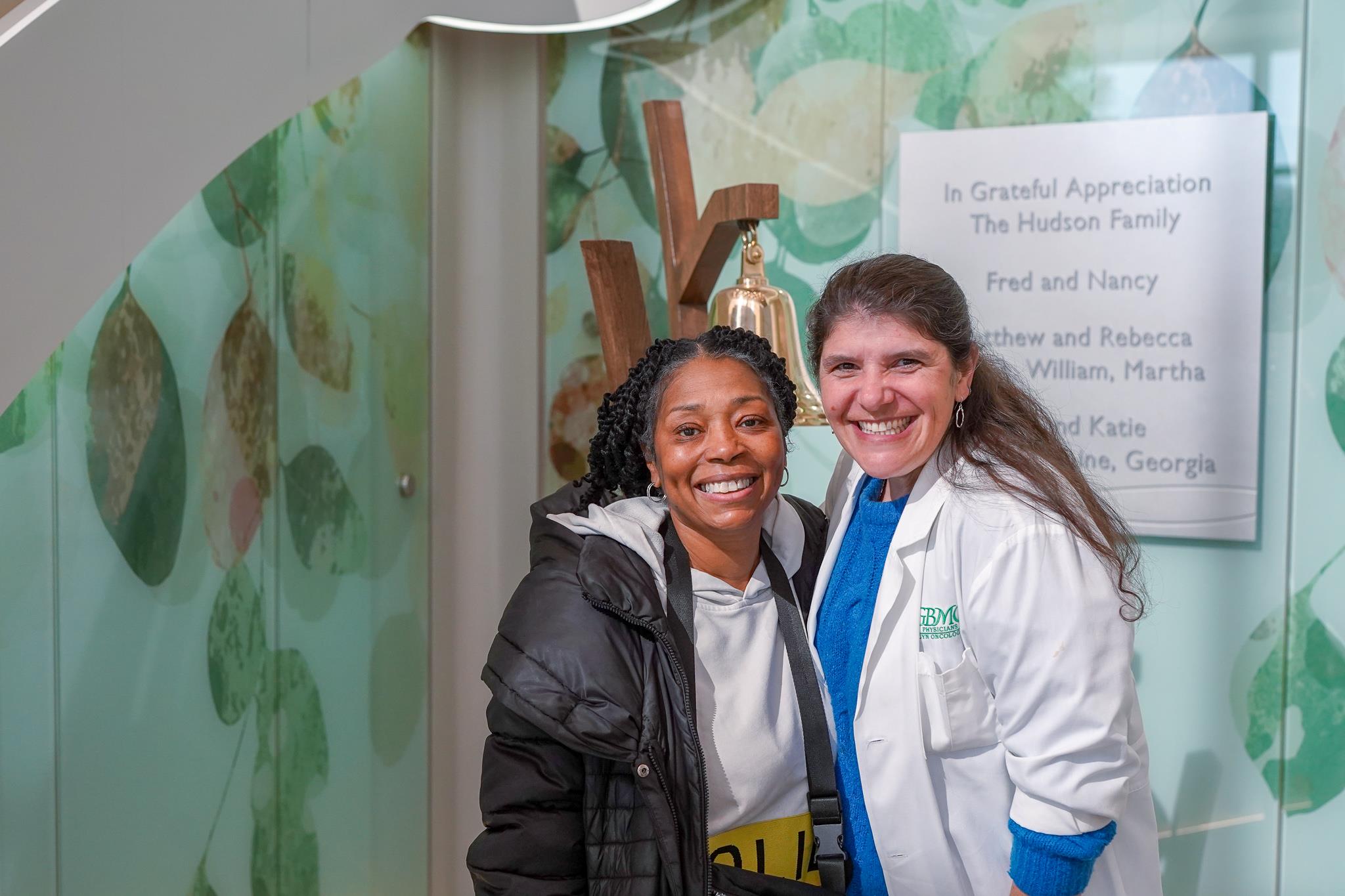
Told He Was Beyond Surgery, Jack French Found a Team That Refused to Accept That Verdict. Nine Years Later, He’s All About Having Fun. Jack French didn’t call to talk about cancer.He called to talk about a parade. This St. Patrick’s Day, the 78-year-old is putting his BMW Z-3 in the holiday parade in Baltimore and doing it again in Annapolis. He even reached back for the soundtrack—the old standard “I Love a Parade”—like a man narrating his own opening scene. “It’s something I’ve always wanted to do,” he said, with the straightforward certainty of someone who’s done waiting. And then the line that carried the full weight of what this conversation was actually about: “I’m a nine-year cancer survivor, thanks to GBMC.”Jack has the joyful specificity of someone who knows exactly what he likes: Star Wars, the original Mission: Impossible, James Bond. Big-screen heroes who beat impossible odds. He’s embracing all the things he can do, not in a bumper-sticker way, but in the very practical way you do when your life has been interrupted once, and you’ve decided you’re never giving it that permission again. The Moment Everything Narrowed When Jack was diagnosed with Stage Four HPV-related head and neck cancer, the news was difficult enough. What came next was worse. Another institution evaluated his case and delivered a verdict that carried the weight of finality: he was “beyond surgery.” He had his case reviewed by a number of leading cancer centers. The answers were the same. Those two words can shrink a person’s world to the size of a waiting room. Jack remembers how that felt, not just the fear, but the flattening. The sense that his story was being rewritten by people who didn’t know him. And then Jack found a team that widened the hallway again. A Center Built on Understanding Jack received care through GBMC’s Milton J. Dance, Jr. Head and Neck Center. To understand why that matters, it helps to know how the Center came to exist. In 1979, Jeanne Gilchrist Vance and her husband Milton “Laddie” Dance watched Laddie undergo treatment for head and neck cancer. What they experienced—both the medicine and the gaps around it—moved them to build something different. They established the Dance Center on a foundational belief: treating these cancers demands more than surgical skill. It demands a profound understanding of what they take from a person. Head and neck surgeon Farzad Masroor, MD, captures the Center’s guiding philosophy simply: the head and the neck are “the center of your existence.” It’s how we speak, eat, laugh, show up in the world. When cancer strikes there, the stakes are personal in the deepest way. The Dance Center reflects that reality. Surgery is paired with rehabilitation, speech-language pathology, counseling, and support, because surviving is not the finish line. Living is. For Jack, that philosophy was embodied in Dr. Karen Pitman, his head and neck surgeon at GBMC. Dr. Pitman, who retired after a distinguished career, didn’t see a patient who was “beyond” anything. She saw Jack French, a man whose cancer was complex, but whose case deserved the weight of an entire team finding a way forward. His chemo oncologist, Dr. Mei Tang, led his chemotherapy care as part of a multi-disciplinary team that surrounded Jack at every step. Treatment was grueling. He lost 22 pounds and could not taste or smell for four months. But Jack came into that fight with intentions of his own. He requested no gastric feeding tube. He requested no stress or anxiety medication. And the GBMC team listened the way they were built to listen and respected his request. In place of medication, Jack turned to a canvas. He channeled his anxiety and fear into painting, creating a work that now hangs in the Oncology Department’s patient waiting room, part of a larger body of work currently on exhibition in Baltimore. The Doctor Who Chose Connection While Jack’s path involved multiple disciplines, the gratitude in his voice centers on one person: Geoffrey Neuner, MD, Chair of the Department of Radiation Oncology. Dr. Neuner’s story has a detail that says everything about the kind of physician he is. Early in his training, he was on track to become a psychiatrist. Then, a research project introduced him to radiation oncology and he discovered something unexpected. It wasn’t the technology that pulled him in. It was the relationships. The chance to form meaningful connections with patients at the most critical moments of their lives. At the Sheila K. Riggs Radiation Oncology Center, Dr. Neuner pairs that commitment with advanced precision radiation technology. But for Jack, what mattered most was someone believed his fight wasn’t over and treated him like it wasn’t. That relationship endured well beyond treatment. Jack was invited as the Keynote Speaker at GBMC's annual Cancer Survivorship Celebration, and his contributions to cancer care research didn’t stop there. Jack participated in a 2017 taste test study whose findings traveled far: the report reached Brazil, where he was recognized for his involvement. The Bell and the Wide-Open Road At GBMC’s Sandra & Malcolm Berman Cancer Institute, a Survivorship Bell waits for patients who make it through treatment. Ringing it is not just a ceremony. It’s a line drawn between the fight and whatever comes next. When Jack rang that bell, he rang it for everyone who’d carried him through: Dr. Neuner, Dr. Pitman, every nurse and therapist on the journey. He rang it for every patient still in a waiting room who needed to hear it. And he rang it for himself, for the man who’d been told his story was ending and refused to believe it. Then Jack did what Jack does. He booked a cruise with his girlfriend. And he bought a motorcycle. At 78, after a successful career and nine years on the other side of a diagnosis that once seemed insurmountable, Jack has arrived at a philosophy that is equal parts earned wisdom and pure joy: “I’m all about having fun.” That sentence sounds casual, until you realize how hard-won it is. Fun, for Jack, isn’t frivolous. It’s defiant. Not “patient,” not “case,” not “beyond” anything, just a man doing all the things he’s always wanted to do, with the clarity to finally do them. Star Wars. Bond films. A motorcycle on the open road. A convertible in a parade. And, as a reward to himself after everything he’d been through, Jack purchased an airplane and taught himself to fly it. These aren’t small pleasures. These are the dividends of a second chance. Jack’s story is not simply about surviving cancer. It’s about what happens when a healthcare team refuses to accept someone else’s verdict. At GBMC, the Sandra & Malcolm Berman Cancer Institute, now in the newly opened Sandra R. Berman Pavilion, brings the full spectrum of cancer care under one roof. But what patients like Jack will tell you is GBMC’s difference isn’t about buildings or technology. It’s about a culture where a surgeon says, “I felt I could accompany patients as they go through this journey,” and a radiation oncologist chose his field to form deep relationships at the most critical moments in people’s lives. It’s about looking at a man who was told he was beyond surgery and seeing all the parades still ahead of him. Somewhere on a parade route this March, in a sea of green, there will be a BMW Z-3 driven by a 78-year-old who once heard the words “beyond surgery.” He’ll have the top down. He’ll be smiling. Not a survival story. A living story.
When Michele Johnson noticed her left leg swelling—tripling in size from thigh to ankle—she assumed something temporary was wrong. She rarely got sick, aside from the occasional cold, and had no reason to suspect anything serious. But as the swelling worsened and her abdomen began to feel painfully overfilled, Michele knew something wasn’t right. “I was just really tired,” she recalls. “Aside from the leg swelling, that was my biggest symptom.”Initial lab work ordered by her primary care provider showed her kidney numbers were concerning—and getting worse. Referrals followed, including one to a kidney specialist, but the earliest available appointment was months away. Michele was in too much discomfort to wait.She began seeing additional specialists, eventually connecting with a urologist who “understood how overwhelming it is for patients to be sent all over the place.” Michele says, “She really helped consolidate my care so I could get everything I needed in one place.”The urologist discovered that Michele’s kidneys were swollen and that her bladder was not emptying properly. Further testing revealed a blockage—but its cause wasn’t immediately clear. The situation was urgent, so Michele was quickly referred to Kimberly Levinson, MD, a gynecologic oncologist with the Sandra & Malcolm Berman Cancer Institute at GBMC.Dr. Levinson saw Michele the very next day.“I was terrified when I heard the word ‘oncologist,’” Michele says. “When Dr. Levinson told me I had stage 3 cervical cancer, I didn’t hear anything after the ‘c’ word. I thought it was a death sentence.”But Dr. Levinson approached the diagnosis with both clarity and compassion, encouraging Michele to focus on one step at a time. Before cancer treatment could begin, Michele’s kidney function had to be stabilized to prevent kidney failure.That meant a nephrostomy procedure—placing tubes directly into her kidneys to allow urine to drain—along with a Foley catheter. At one point, Michele was managing three external drainage bags. “It was miserable,” she says. “I couldn’t sit or stand for long, and I had to constantly adjust my clothes around the tubes. But it was what I needed to stay alive.”Once her kidneys were stable, Michele began an intensive course of treatment: five weeks of daily radiation therapy paired with weekly chemotherapy. Her radiation oncologist, Geoffrey Neuner, MD, along with Dr. Levinson, gynecologic oncology nurse Erin Gingher, RN, and the entire oncology care team, quickly became more than providers—they became family.“They were amazing,” Michele says. “Even on the hardest days, I looked forward to seeing them.”While chemotherapy caused significant nausea and weight loss, Michele was grateful for how closely her symptoms were managed. Radiation caused minimal side effects, and her team remained attentive, encouraging, and reassuring throughout every phase of treatment.Her final radiation therapy—brachytherapy—involved placing targeted radiation directly near the tumor. Though physically demanding, Michele says her care team ensured she remained comfortable and supported.Today, Michele’s primary treatment is complete. She continues with shorter, less intensive chemotherapy sessions every six weeks to reduce the risk of recurrence. Recently, after months of discomfort, she finally had her Foley catheter removed. “That was the worst part of everything,” she says. “Having it gone was such a relief.”Now back at work and full of energy, Michele says cancer has changed how she sees life. “I’m just happy to be here,” she says. “I have so much appreciation for every day.”She hopes her story encourages others not to ignore unusual symptoms—even if they seem small. “If something feels off, go to the doctor,” Michele says. “The timing can be life or death. If I hadn’t connected with the right doctors when I did, I wouldn’t be here.”For Michele, having coordinated care under one roof made all the difference. “Come to GBMC,” she says. “Everything works together here.” Her advice is simple—and heartfelt: “Keep praying. Keep positive energy. Don’t give up. And do everything your doctors tell you to do.”As she puts it with gratitude, “Dr. Levinson, Dr. Neuner, the chemo team—we’re family.”
Eric Morris sought care at GBMC after living for nearly a year with an umbilical hernia that had become increasingly painful and disruptive to his daily life. He turned to his primary care provider, Amy Luebehusen, CRNP, at GBMC Health Partners Primary Care – Padonia, for help. After examining the hernia, Amy recommended that Eric schedule a surgical consultation with Dr. Joel Turner of GBMC’s Finney Trimble Surgical Associates.Eric appreciated how easy it was to make the appointment. Dr. Turner confirmed the hernia and thoroughly explained the diagnosis and treatment plan. Laparoscopic repair surgery was scheduled for 11:30 a.m. on November 25, 2025. Eric immediately felt confident in Dr. Turner’s expertise and approach.On the day of surgery, Eric was accompanied by his 80-year-old mother. Check-in and the pre-operative process went smoothly, though his surgery was delayed until 1:30 p.m. due to complications in a case ahead of him. Even with the delay, Eric describes the environment as calm, efficient, and reassuring.Eric’s interactions with the nursing staff were a highlight of his experience. As an educator, he was pleased to allow a student nurse to place his IV—he did so flawlessly on the first attempt, reflecting the strong teaching culture at GBMC.What stood out most to Eric was that GBMC’s care extended far beyond the “open and close” medical procedure. Throughout the day, the staff demonstrated a level of compassion that made a lasting impression. When his mother became hungry and unsure of where to go, anesthesiologist Dr. Farid Amin personally walked her to the cafeteria and even purchased her lunch. Later, another pre-op staff member escorted her back so she wouldn’t have to navigate the hospital alone. And at the end of the day, a GBMC team member walked Eric and his mother all the way to the parking garage. For Eric, these meaningful gestures showed that GBMC cares not only about the surgery itself, but about the people and families behind every patient.The laparoscopic hernia repair was completed successfully, and Eric’s recovery in the post-op unit was smooth and well managed. He expressed great appreciation for the entire operating room team and their professionalism, kindness, and communication throughout the day.Eric describes his experience at GBMC as excellent from start to finish. The combination of clinical expertise, compassionate care, and thoughtful personal touches made a difficult health situation far easier. He is now pain-free, back to his normal activities, and deeply grateful for the care he received.
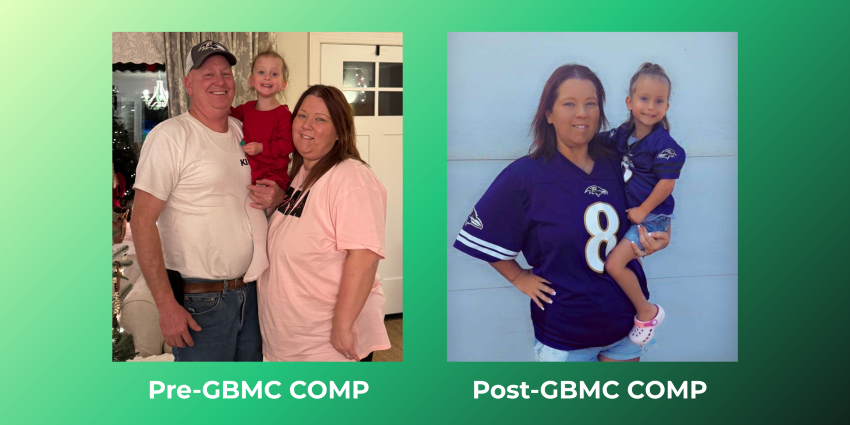
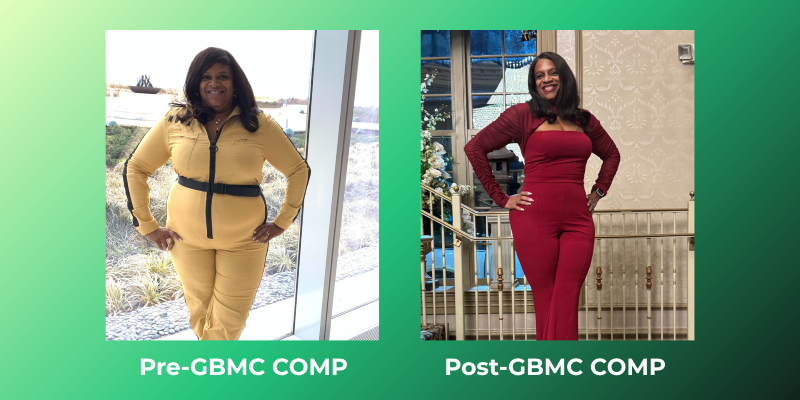
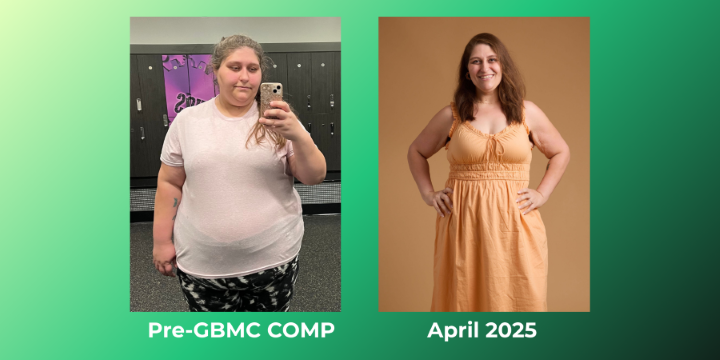
After years of trying countless weight loss methods with little lasting success, one GBMC Comprehensive Obesity Management Program (COMP) patient knew something had to change. “It was a roller coaster of emotions,” she shared. “Every time I lost a little weight, I gained it back—and then some. I was at my wits’ end.”Encouraged by a friend who had gone through GBMC’s bariatric program, she finally made the call. What started as hesitation quickly turned into the best decision of her life.“From day one, the process helped me prepare physically and mentally. The COMP team was always there—reassuring me, answering every question, and making sure I felt supported. Surgery day came on February 17, and I never looked back.”Now, just seven months post-surgery, she’s down 98 pounds and thriving.“My recovery was so smooth—minimal pain and barely any scars. Today, I have more energy, more confidence, and I’m off my blood pressure meds. My back and knees don’t hurt anymore. I can walk up stairs without getting out of breath and, most importantly, I can keep up with my three-year-old.”Ashley's story is a powerful reminder that bariatric surgery isn’t just about the weight—it’s about reclaiming your health, your energy, and your life.“If you’re on the fence about surgery, do it. You will not regret it.” Start your COMP journey now!
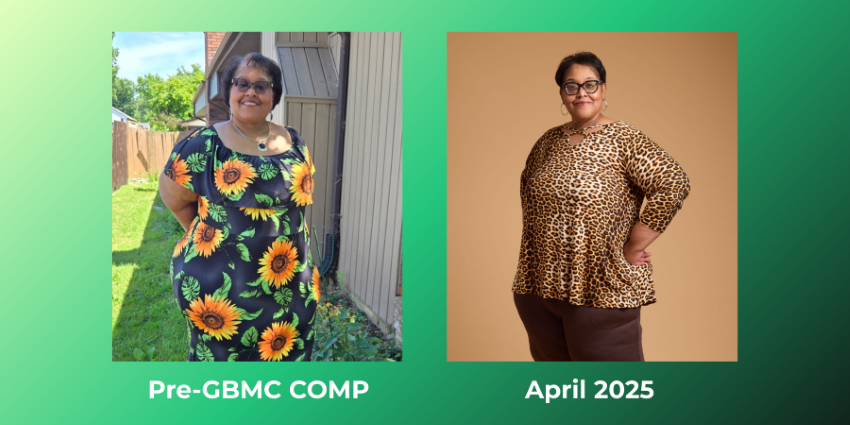
<p class="pf0"><span class="cf0">After years of struggling with health issues and body image, Consie Craig made the life-changing decision to pursue weight loss surgery</span><span class="cf1">—and hasn’t looked back since.</span></p><p class="pf0"><span class="cf1">“From the very first phone call, I knew I was in good hands with GBMC’s </span><a href="https://www.gbmc.org/services/bariatrics" data-entity-type="external"><span class="cf1">Comprehensive Obesity Management Program (COMP)</span></a><span class="cf1">. They made me feel supported every step of the way. The resources, especially the patient binder, have been invaluable. I still refer to it today!”</span></p><p class="pf0"><span class="cf1">What began as a journey to improve energy and prevent family-related health conditions has resulted in a total transformation. Post-surgery, Consie has eliminated high blood pressure, sleep apnea, and acid reflux. Even more importantly, she’s regained the freedom to fully enjoy her life.</span></p><p class="pf0"><span class="cf1">“I can keep up with my grandchildren, hike, cycle, lift weights, and do things I never imagined. I have more energy, confidence, and a healthier relationship with food.”</span></p><p class="pf0"><span class="cf1">With a renewed outlook and vibrant lifestyle, she says the COMP team gave her not only expert care, but a true sense of support and belonging.</span></p><p class="pf0"><span class="cf1">“I’ve spoken with people in other programs, and they don’t receive the same level of guidance and compassion. At GBMC, I know they genuinely care about my health and well-being.”</span></p><p class="pf0"><span class="cf1">Every journey starts with a single step—and the courage to keep going. Take that step today. </span><a href="https://eportal.gbmc.org/mychart/openscheduling?specialty=74" data-entity-type="external"><span class="cf1">Schedule your COMP consultation now.</span></a></p>
Bob Windsor and Dr. Robert Donegan have a special relationship. Along Windsor's 21-year cancer journey, the two have become more than just patient and doctor. WMAR captured this dynamic and Windsor's journey in a recent news story that was part of the larger ABC affiliate's Stand Up to Cancer special in mid-August. Read more at WMAR's website or watch the clip above.
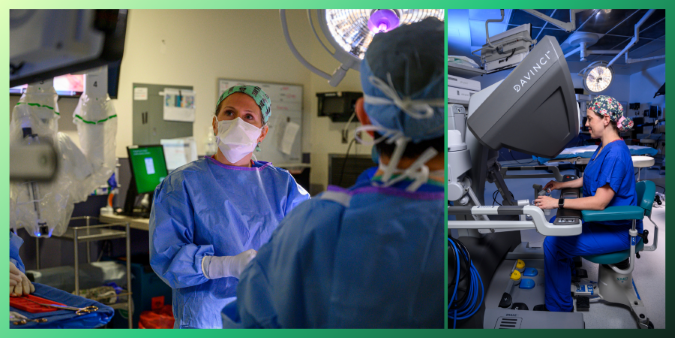
At GBMC, stories of healing and hope remind us of the importance of personalized, compassionate care — and June’s story is a testament to that commitment.When June was referred to GBMC, she was struggling with a large, painful hernia that was compounding spinal issues and affecting her quality of life. June was recommended to see Dr. Shauna Costinett, general surgeon and Medical Director of the GBMC Comprehensive Obesity Management Program, and that recommendation marked the beginning of a life-changing journey.After a thoughtful and thorough consultation, Dr. Costinett provided June with a comprehensive surgical plan that acknowledged the complexity of her medical needs, including her diabetes. Before moving forward, Dr. Costinett emphasized the importance of improving June’s A1C levels and overall health to ensure a safer, more successful surgery. June worked closely with her endocrinologist Dr. Joanna Tyzack and primary care team, taking proactive steps like starting the injectable medication Mounjaro to better manage her diabetes.With careful preparation, the next step was a coordinated surgical plan that brought together a multidisciplinary team. June was introduced to Dr. Emily Watters, who would perform the minimally invasive robotic portion of the procedure. Together, the team determined that Botox injections to June’s abdominal muscles would improve the surgical outcome by allowing the muscles to relax and be repositioned more effectively.However, the road to surgery wasn’t without challenges. When insurance initially denied the Botox treatment, Dr. Costinett went above and beyond, advocating on June’s behalf. She arranged a peer-to-peer review with the insurance provider, ultimately securing approval for the critical pre-surgical treatment — just in time for the scheduled injection. Thanks to this perseverance, June received the injections from John Werner, MD, Chairman, Diagnostic Radiology at GBMC on February 26, and the surgery was rescheduled for March 27 to allow the full benefit of the treatment.On the day of surgery, June underwent a successful seven-hour minimally invasive complex hernia repair, performed by Drs. Costinett and Watters, supported by a highly skilled operating room team. From the start, June felt reassured by the calm, thorough explanations provided by her anesthesiologist, W. Zeichner, MD, Medical Director of Perioperative Services, Anesthesiology, who administered a nerve block to ease post-surgical pain — a new and transformative experience for June after difficult surgical recoveries in the past.“I woke up feeling very good considering my procedure,” June shared. “My family was surprised at how chatty I was when they arrived. I could tell from the beginning that this time, it was going to be different.”That difference extended throughout her hospital stay. From the moment she arrived in recovery to her discharge the very next day, June was surrounded by staff who were not only clinically excellent, but warm, attentive, and encouraging. Nurses like Mary Kate and Kristina, along with the techs and support staff on Unit 48, ensured she was up and walking the very first night — giving her confidence in her recovery.Once home, June followed her post-operative care plan carefully with the help of her husband and ongoing support from Dr. Costinett, who remained directly accessible to ensure a smooth recovery. Within days, June was back in the office for a follow-up, having had her wound vac and drains removed, and healing beautifully.“I only needed one prescription pain pill on the ride home,” June said. “The rest of my recovery has been surprisingly easy. I’m still walking multiple times a day and feeling better than I expected.”Today, June continues to heal and reflects on her experience with immense gratitude for the team that made her recovery possible. She expressed heartfelt thanks to:Shauna M. Costinett, MD, FACS, Medical Director, GBMC COMPEmily J. Watters, MD, MPH, FACS, Bariatric & General SurgeonW. Zeichner, MD, Medical Director of Perioperative Services, AnesthesiologyJohn Werner, MD, Chairman, Diagnostic Radiology at GBMCHolly Thorn, Outpatient Nurse NavigatorOperating Room nurses and teamMary Kate, Kristina, and the tech staff on Unit 48Housekeeping and support staff who keep the hospital clean, safe, and welcoming“I felt valued every step of the way,” June said. “This hospital is more than a place where people go to heal — it’s a place where people truly care. I will be forever grateful.”June’s story illustrates the extraordinary impact a dedicated, compassionate care team can make. We are proud to serve our community with excellence, empathy, and an unwavering commitment to every patient, every time. Learn more about GBMC's General Surgery services here.
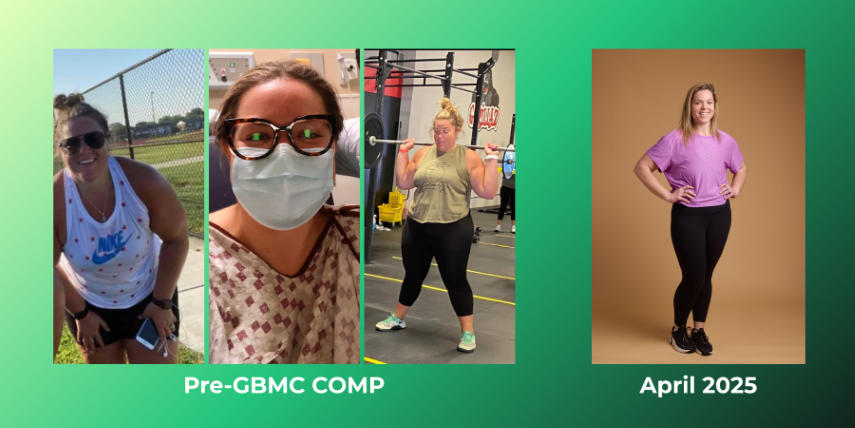
GBMC’s Comprehensive Obesity Management Program (COMP) holds a deeply personal meaning for Julia Peach—not only as a patient, but also as a healthcare professional. “My journey with GBMC COMP goes beyond being just a patient,” she says. “I’ve had the privilege of working in the operating room during bariatric surgery cases, helping ensure each patient’s safety and supporting the surgical team.” After witnessing the impact of COMP firsthand, Julia made the courageous decision to pursue her own bariatric journey in February 2021. “I had tried everything on my own,” she shares. “Eventually, I came to terms with the fact that I needed help—and I set my ego aside to get it. I'm so glad I did.” Since surgery, Julia has experienced not only physical transformation but deep personal growth. “I am a better and healthier version of myself. It hasn’t always been easy, and I’ve had setbacks, but I’ve never let them derail me. I keep showing up and putting in the work, every single day.” Her story is a powerful reminder that transformation isn’t about perfection—it’s about perseverance. Julia continues to lead by example, both in the OR and in life, proving that the decision to invest in yourself can inspire others to do the same. Every journey starts with a single step—and the courage to keep going. Take that step today. Schedule your COMP consultation now.
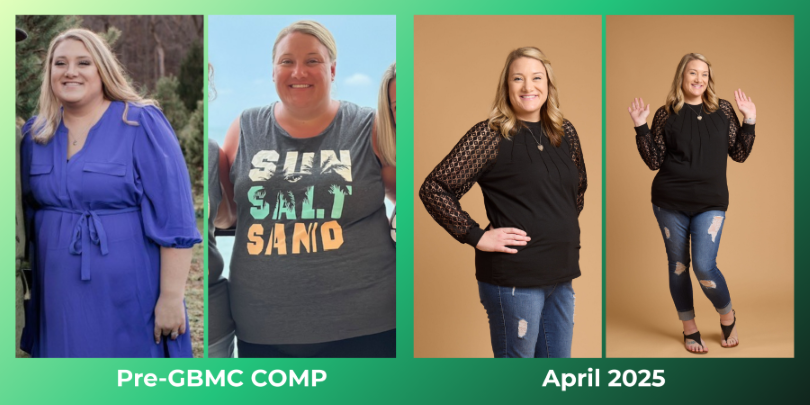
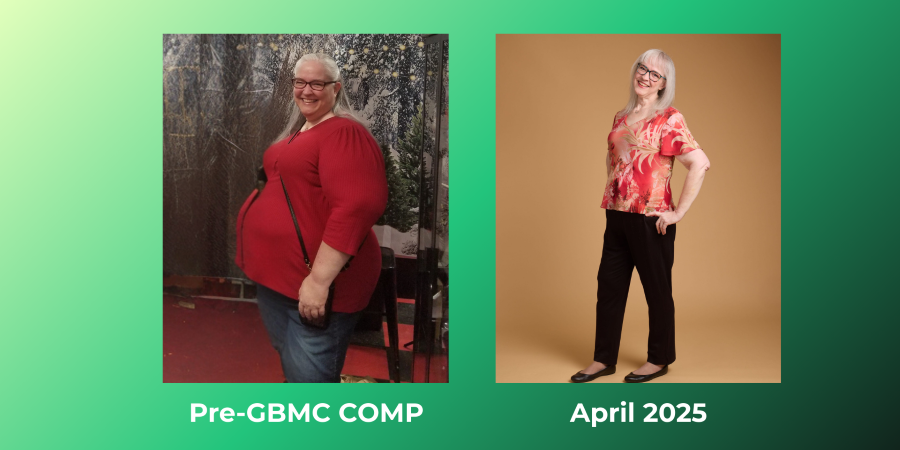
Joining GBMC’s Comprehensive Obesity Management Program (COMP) was more than a health decision for Terri Kline—it was a turning point after personal loss. “The death of my father was a catalyst for me,” she shares. “I knew I needed to take better care of myself, for me and for my family.” Terri joined COMP in August 2024 and quickly found comfort in the program’s structure, support, and sense of community. “I love the COMP program at GBMC,” she says. “The in-person meetings helped me prepare both physically and mentally for surgery. That mental preparation is so important, and connecting with others on the same journey has been a great resource.”One of the things Terri values most is how easy it is to stay in touch with providers. “You can reach out through Facebook or MyChart, and everyone is so helpful. It truly feels like GBMC COMP is the best in the Baltimore area.”Since surgery, Terri has lost 75 pounds and gained a new sense of energy and confidence. “I can walk up and down the steps without getting out of breath. I can cross my legs comfortably—something I couldn’t do before. I’m buying smaller clothes. And my children have noticed that I’m more active. It’s the little things that mean so much.”As Terri’s story shows, the power of support, both emotional and clinical, can make all the difference.If you’re ready to take the first step, you don’t have to do it alone. Schedule your COMP consultation today—and discover what’s possible.
After years of trying what felt like everything, Lindsay Beling finally made the call that changed her life. “This was not an easy decision,” she admits. “I struggled all the way up to the day of surgery—and sometimes I still do. But now, my life is mine to live, and I look forward to adventures big and small.”Lindsay joined GBMC’s Comprehensive Obesity Management Program (COMP) in July 2024, and right from the start, she felt empowered. “From my one-on-ones to group meetings and learning about nutrition, I was set up for success,” she says. “I still use the binder we were given—it's my vault of knowledge.”The results have been life-changing—not just physically, but emotionally and mentally.“We can all say the obvious—that clothes feel better—but for me, it’s so much more,” Lindsay shares. “I’ve found myself. I no longer struggle to walk up the stairs, my knees don’t hurt or make noise anymore (which is huge), and I’ve found vegetables I love! I’ve truly adapted to what is now my new normal.”Lindsay shows what can happen when you commit to yourself, even when the path is hard. She now embraces each day with renewed energy, confidence, and a deep appreciation for her health.You deserve a life you feel excited to live. Take the first step—schedule your COMP consultation today.
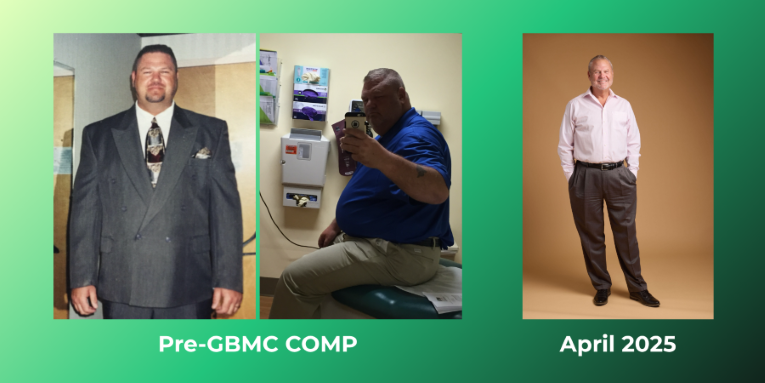
In 2016, Joe Childress made a decision that would change the trajectory of his life—and his family’s future. At 333 pounds, he was six years older than his father had been when he passed away at 41 from heart disease. That loss weighed heavily on Joe, especially as a dad. “I knew I needed this to be around for my kids,” he says. Joe had sleeve surgery at GBMC’s Comprehensive Obesity Management Program (COMP) in February 2016. Now, more than nine years later, he’s maintained a weight of around 225 pounds and is thriving—both physically and emotionally. “All my medical issues before surgery are gone—and have been gone since the day of surgery,” he shares. “I exercise two to four times a week, including running a few days. I feel great.” The journey wasn’t without its challenges, especially mentally. “While the mental challenge was tough at first, physically I couldn’t be happier,” he says. “Now I’m healthy enough to do so many things with my children.” For people considering the impact of bariatric surgery, Joe’s story shows it extends far beyond the individual—it changes lives for generations to come. Change your story. Protect your future. Be there for the ones you love. Schedule your COMP consultation today.
GBMC’s Comprehensive Obesity Management Program (COMP) has been nothing short of life-changing for Michelle Harvey. “It’s been a blessing,” she says. “One day at a time, I’m moving toward a healthier life—and I have no desire to go back to the habits that held me back.”Michelle started her journey by losing 40 pounds even before surgery. Since her procedure in December 2024, she’s down another 45 pounds and is now closing in on her 100-pound milestone.“I wanted to lose weight, develop a healthier way of living, and enjoy a longer life,” she shares. “Now, I walk better, feel better, and rest better.”One of the biggest changes for Michelle? Relief from arthritis pain in her knees, which has made everyday life much more manageable. She’s moving with more freedom, gaining confidence, and staying motivated with each step forward.“I feel GREAT,” she says proudly. “COMP gave me the tools and support I needed to make this happen.”Your future is waiting—and it starts with one step. Schedule your COMP consultation today.
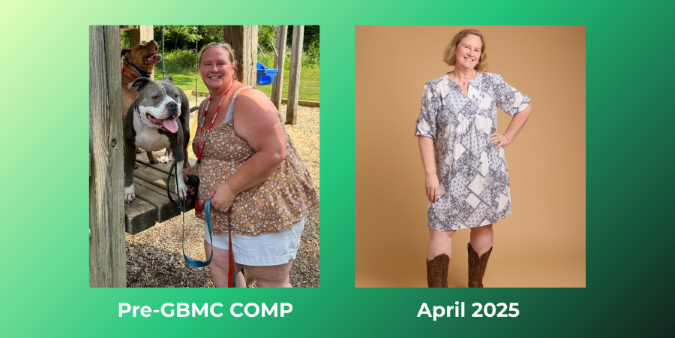
For Ondrea Leikvoll, the decision to pursue bariatric surgery didn’t happen overnight. “I actually met with Dr. Friesen [from GBMC’s Comprehensive Obesity Management Program (COMP)] twice, over a year apart,” she recalls. “There was never any pressure—just the information and support I needed to make the decision in my own time.”After years of yo-yo dieting, Ondrea received a gentle nudge from her GBMC Health Partners primary care physician, who helped her rethink what bariatric surgery could offer. “She helped me move past the idea that surgery was the ‘easy way out.’ She helped me realize I deserved a real opportunity to lose the weight—and keep it off.”That decision has changed her life. Since her surgery on January 30, 2024, Ondrea has lost over 160 pounds, going from a size 26/28 to a 12/14. “My knees and hips don’t hurt anymore. I jog up the stairs now. I’m no longer diabetic. No high blood pressure. No high cholesterol. All those medications? HISTORY.”Thanks to the support of the COMP team—and guidance from Jana and Madison along the way—Ondrea now has more energy, more mobility, and more joy in daily life. “I can play with my nieces and nephews instead of watching from the sidelines. And I feel more comfortable in my skin than I ever remember.”The changes, she says, go beyond words. “This has completely improved my quality of life.”Take control of your future. Reclaim your life. Schedule your COMP consultation today.
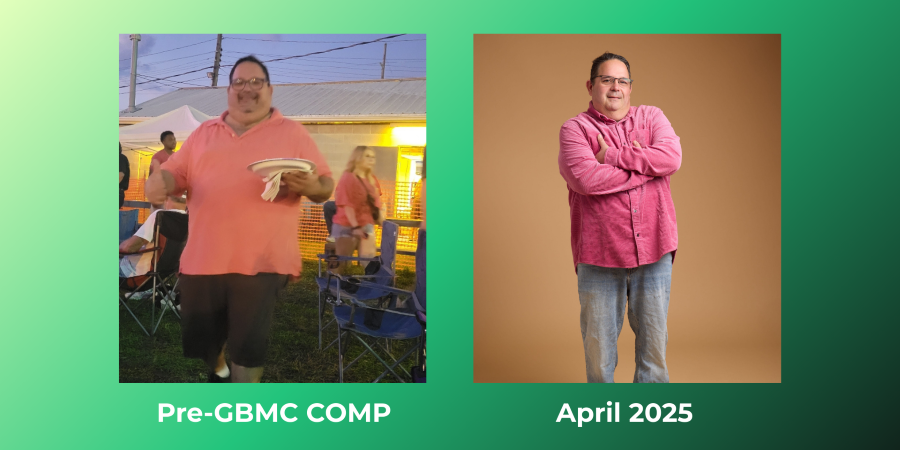
Neal Cook’s decision to undergo surgery through GBMC’s Comprehensive Obesity Management Program (COMP) was all about one goal: to be healthy.Since his surgery on April 11, 2023, Neal says it simply and powerfully—“It has been awesome.”With his health improving, Neal is now able to do so many things he couldn’t do before. Whether it’s moving more freely, enjoying life with less discomfort, or tackling daily activities with new energy, the impact is clear.You deserve to feel this good. Don’t wait. Schedule your consultation with COMP today.
The start of a new year brought more than resolutions for Nicole Tyler—it sparked a complete transformation. “I started my journey [with GBMC’s Comprehensive Obesity Management Program (COMP)] after New Year’s 2024,” she says. “I went through the full approval process for surgery and really enjoyed the COMP STOMP (monthly walking group with the COMP team) and support groups along the way.”On September 10, 2024, Nicole underwent surgery with GBMC COMP. Since then, she’s embraced a new lifestyle—and hasn’t looked back.“I’m very, very happy with how things are progressing,” she says. “I’ve developed a healthy lifestyle, and my confidence has grown. I’m happier than ever.”For Nicole, it’s not just about the number on the scale—it’s about how she feels from the inside out. You deserve to feel this good. Take the first step. Schedule your GBMC COMP consultation today!