<p class="article-body"> The wool shawl is knitted in bands of yellow and lavender. It's big enough to wrap around your shoulders, which is the first thing Carol Leonard had done every morning since she received it. <br> <br> The shawl is cozy and warm but it was also, to Leonard, a patient at Stella Maris Hospice, "a work of love. It's such a comfort that someone made this for me." <br> <br> "Mom is very pleased" with the shawl, said Kathleen LeNoir, one of Leonard's eight children. "She asks for it all the time." <br> <br> LeNoir traveled from her home in Texas to be with her mother, who died March 28. <br> <br> On a breezy March day, Sister Kathy Dauses, of the Order of St. Francis, and head of pastoral care, surveys the prayer shawls stacked in her office at the hospice in Timonium. Sometimes she has a lot, sometimes only a few. Today, there are a half-dozen on a shelf and a bag with at least a dozen more that Immaculate Heart of Mary Church in Towson just delivered. <br> <br> Pam Tillman, of Timonium, a volunteer, founded the Stella Maris Hospice Prayer Shawl Ministry in 2006. She and Dauses run it, rounding up volunteers, buying yarn and, even, printing a brochure with knitting and crocheting instructions and prayers to be said before starting thehandiwork as well as when finishing it. <br> <br> The hospice's prayer shawl ministry is one of many. Nearly a dozen churches in the Towson area alone have similar ministries, some of which donate their finished items to Stella Maris Hospice. <br> <br> Dauses gives a prayer shawl to patients as soon as they enter the hospice. But she doesn't just drop it on their bed, or hand it to a family member if the patient is unresponsive. <br> <br> She turns the event into a "spiritual ritual," in her words, with family and friends gathered around their loved one while she tells the patient that the person who made the shawl was praying for them even before they came there. <br> <br> The response is as emotional as you'd expect. <br> <br> "It's hard to explain the comfort prayer shawls bring," Dauses said. "Patients ask, 'Can I keep this? Is this mine?' They want to put it around themselves immediately." <br> <br> "My feeling is, this is the last gift the person will receive and it helps them on their journey," said Tillman, who estimates Stella Maris Hospice which is run by the Sisters of Mercy, distributes 1,200 prayer shawls annually to patients and their family members. <br> <br> </p> <h2> 'A spiritual process' </h2> Indeed, so meaningful are the prayer shawls that it is not unusual for people to be buried in them or have them laid over their casket. They become family heirlooms, a last treasured reminder of mom or dad. In fact, when Leonard died her family asked Dauses for their mother's prayer shawl. <br> <br> The shawls are even attributed with healing power, as one cancer patient who went into remission did. <br> <br> "She handed it to another cancer patient. I recently came across it and it's now with a third cancer patient," said Maureen O'Brien, chaplain at University of Maryland St. Joseph Medical Center. <br> <br> St. Joseph is one of two Towson hospitals that area churches frequently mention as recipients of their prayer shawl ministry's items. The other is Greater Baltimore Medical Center (GBMC). <br> <br> At St. Joseph, O'Brien distributes about 500 prayer shawls annually, primarily to critically and terminally ill patients in the intensive care and cancer units. Similarly, GBMC gives out 600 prayer shawls annually to patients in those units. <br> <br> GBMC Chaplain Joe Hart, an ordained minister, runs the prayer shawl program with Sue McKenna. As popular as the shawls are with patients, they are equally meaningful to the people who make them. <br> <br> "They joyfully donate what they have created. The prayer process benefits them," Hart said. <br> <br> If there is a national association of prayer shawl ministries, none of the churches is aware of it or belongs to any such organization. However, all seem to follow the same practices and that may well come from a grassroots group called Prayer Shawl Ministry. <br> <br> Victoria Cole-Galo and Janet Severi Briscow cofounded the grassroots group in 1998, the result of a program they took on applying feminist spirituality at the Hartford Seminary in Connecticut. <br> <br> "We wanted to share what we'd learned with other communities," said Cole-Galo, whose website, <a href="http://www.shawlministry.com/" target="_blank" alt="Prayer Shawl Ministry Home Page">http://www.shawlministry.com</a>, has instructions, patterns, suggested prayers, a message board and more. The two women also publish a series of books on prayer shawl ministries. <br> <br> "It's not just the knitting and crocheting, it's not just a craft project," she said. "It's a spiritual process." <br> <br> Cole-Galo doesn't know the number of prayer shawl ministries. "It's very popular among churches," she said. Her website lists hundreds in the U.S. although thousands more exist that aren't listed. They're also popular abroad, from Canada to South Africa. <br> <br> Whatever the number, Cole-Galo believes prayer shawl ministries are increasing. "We started our website through word-of-mouth," she said, "and now we get millions of hits per year." <br> <br> <h2> 'Way of showing God's love' </h2> Hunt's Memorial United Methodist Church's Prayer Shawl Ministry dates to 2009. Lucy Otto, a co-founder, had read about them and loves to knit. <br> <br> "The minister was enthusiastic. We sent around a clipboard at a service and 20 people signed up," Otto said. <br> <br> The group meets regularly in members' homes. The oldest member is 97; the youngest, 12, the daughter of a member who learned to knit so she could make prayer shawls, too. <br> <br> As they work, the women pray for the future recipient. At the end of the meeting, a blessing is read over all the shawls. The finished shawls are wrapped and tagged with a printed prayer. <br> <br> The shawls are given to parishioners or their family and friends. "We always have a few in the church office," Otto said. "People call and ask for them." <br> <br> At Ascension Evangelical Lutheran Church, Jeanette Beck heard about the Stella Maris Hospice group. "I thought it was a good idea for our church," said Beck, founder in 2008 and chair of its prayer shawl ministry. <br> <br> The Towson United Methodist Church Prayer Shawl Ministry makes it as easy as it can for its dozen members. "We provide needles, directions and yarn," said Carol Matlin, a co-founder of the group, and accept "any stitch, size and color" shawls they make. <br> <br> Holy Cross Lutheran Church hosts three services a year at which the finished prayer shawls are blessed. They are also available during services several times a year, or any time through the church office. <br> <br> "I do it because it's a way of showing God's love," said Lynne Funck, who founded and runs the Holy Cross Lutheran Church Prayer Shawl Ministry. <br> <br> Central Presbyterian Church calls its ministry "The Hands of Love." "Some people knit, some crochet. We meet twice a month and we pray as we work," Patti Richardson said. <br> <br> Denise Noll started the prayer shawl ministry at Church of the Holy Redeemer in 2011. In the past two years alone, the group has given 81 shawls and lap robes to parishioners and others. <br> <br> The St. Joseph Parish and School Prayer Shawl Ministry doesn't have meetings. Its dozen-plus members are elderly so they knit or crochet at home. But every morning, six members meet for 8:30 Mass and then segue to a nearby Panera Bread restaurant where they eat breakfast and make prayer shawls, lap robes and baby blankets. <br> <br> "They're retired and they enjoy it," said Ann Marie-Labin of St. Joseph Parish, which donates finished items to St. Joseph and GBMC. <div class="end-of-story"> </div>
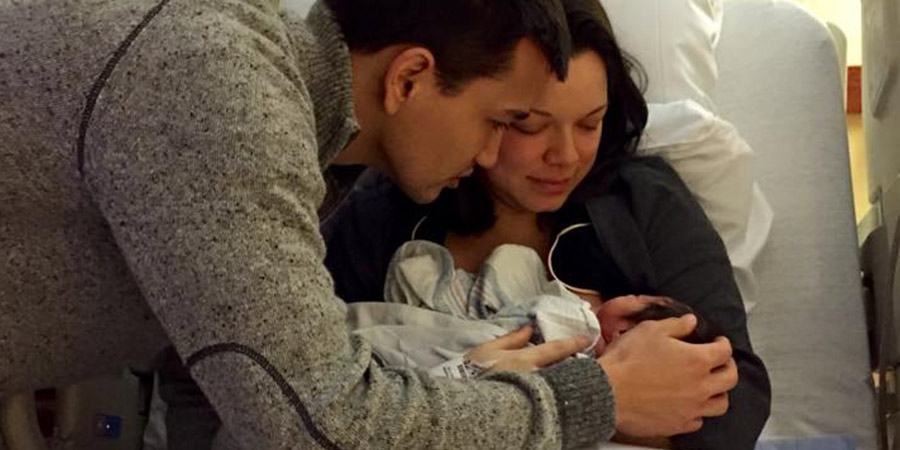
<p class="article-body"> I was referred to Dr. Claire Weitz with Perinatal Associates shortly after moving to the Baltimore area. I have what is called uterine didelphys, which is a uterine abnormality. Because of this abnormality, I was considered a high-risk pregnancy from the get-go. My husband and I went to Aruba for our baby-moon and I ended up in the hospital with pre-term labor at 26 weeks. We managed to get back to Baltimore and I was, from then on, closely monitored by my doctor and the hospital. <br> <br> I had to come in to GBMC and do an NST, ultrasound and doctor's visit twice a week. I was admitted to the hospital numerous times for further monitoring, as I was very much dilated and effaced. The quality care I received during this time helped me to make it to 36 weeks and two days! No one thought I would make it that far in my pregnancy. <br> <br> On February 9, 2015, I came to a regular doctor's visit and I was told that my water had broken. I didn't know exactly when that had started, so my doctor said that we were going to have the baby that day. I wasn't scheduled for a c-section until February 23, so this was very much a surprise. She told me to call my husband and my family and tell them to get to the hospital as soon as possible. I was then sent down to Labor & Delivery. Nurses are given 2 hours to prep patients for c-sections, and we did it all in under 20 minutes! <br> <br> After arriving in Labor & Delivery, my baby boy was born at 5:43 p.m. – only about 40 minutes after getting there! Those present during the surgery and in recovery were amazing and very comforting. I had an uneventful c-section, thanks to the talented staff. My baby was four pounds 10 ounces, and 18.5 inches long. He was a teeny little guy, but very strong, and had a very high APGAR score, considering he was almost a month early! <br> <br> Because I had a c-section, I had the privilege of staying in the hospital for three nights. We had such a wonderful experience staying at the hospital! The rooms were comfortable, the staff was amazing, the food was awesome and everyone was so helpful and willing to give us tips and advice on everything from breastfeeding to diapering. My husband and I laugh now, because we know we wouldn't be anywhere near ready for this baby if we hadn't had those few days in the hospital, soaking up all the knowledge and advice everyone had to give! If we are still in the Baltimore area for our next child, we will be delivering at Greater Baltimore Medical Center! <br> <br> My husband and I went through so much to even get pregnant. It was a long journey. Once we got pregnant, we had many hurdles to jump and difficult situations to deal with. Because of the amazing care that I received at GBMC, I was able to deliver a healthy baby boy. We were told that having a baby might not have happened for us, but with the help of GBMC, we were able to fulfill our dream! </p> <div class="end-of-story"> </div>
<iframe class="embed-responsive-item" src="https://www.youtube.com/embed/a5ou8FPXeoU?list=PLyZD8LRG_xb23No9ceuBmmFjQXtZ0dmnw" allowfullscreen="allowfullscreen"></iframe> <p class="article-body"> Follow Ms. Wilson's journey from pre-weight loss surgery through her experience with the GBMC COMP program and to the present. </p>
<h4> The story of Hugh McKenna, as told by his wife Susann </h4> It seems that the older we get, the more we seem to pick up the habit that we thought was ridiculous when we were young. The habit? Starting each day with the newspaper and reading the obits. We are looking for friends, loved ones, former classmates or working associates, etc. At that time, I don’t think we put much thought into having to write one ourselves for a loved one. That, sadly, is what I had to do recently as my husband of 40 plus years died in September. In fact, as I look at a calendar, in a few weeks, it will be our 48th wedding anniversary. <br> <br> So, as you will read, even though I have wonderful and loving memories of the staff of GBMC, not every story, particularly in a hospital, has a happy ending. Mine definitely does not, as my husband died after spending several days and weeks at GBMC over a four-year period. The last was 32 days at GBMC and seven days in Gilchrist. <br> <br> Actually, my husband’s story (our family’s GBMC story), began over four years ago when he was first diagnosed with tongue cancer. It started with the staff at the Milton J. Dance, Jr., Head and Neck Center. We received exceptional care through counseling, education, home health care coordination, support groups, professional voice and nutritional care, head and neck cancer care, interdisciplinary patient care conferences and more. Every step of the way, my husband and I experienced compassion, loving and concerned care from GBMC staff and volunteers in a healing, supportive environment. <br> <br> My husband’s next steps were with an extremely professional, knowledgeable and compassionate medical oncologist and radiologist and their staff members. Their treatments over several months gave my husband positive results as his cancer went into remission. Throughout the next two years, they were always available to listen and respond to our cares and concerns and to continually follow-up. <br> <br> Then, unfortunately, the cancer returned and metastasized to my husband’s lungs. Our next step was to see a doctor who specialized in diagnostic radiology, and then the staff within interventional radiology. The procedures did work, but, unfortunately, my husband got more cancerous tumors. As I indicated before, after 32 days at GBMC and seven days in Gilchrist, my husband died. <br> <br> While I am always saddened that my husband is deceased, not a day goes by that I don't think of and pray for him and to him. I also pray that God will bless other families in similar situations at GBMC, that they also will be blessed with the care, concern and genuine love of the staff at GBMC. <br> <br> I'm a volunteer at GBMC. I can't begin to explain my humility and the grace-filling experience I have knowing I'm doing some small things for those who are ill and thus more vulnerable at this time in their lives. <br> <br> Life goes on; it has to go on even when you lose a loved one. That experience gives you time to reflect on the past, of course, but more importantly on the present and the future. What can your experiences do to make those with whom you come in contact better? What joys, love and blessings can you share with others that will make your spouse ever present to you and to them? <br> <br> I show that love by giving my time to the folks who enter GBMC, the patients, family members and staff that I help. How do I spell LOVE? G-B-M-C!! <div class="end-of-story"> </div>
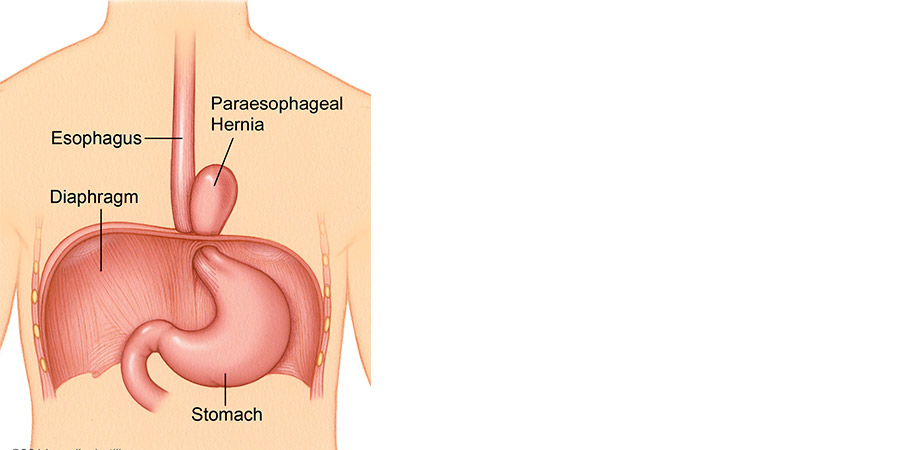
<p class="article-body"> Mary Frank, a 49-year-old substitute teacher from Baltimore, suffered from heartburn for years, frequently experiencing the burning sensation of acid reflux in her chest after eating. She learned that a hernia was the likely culprit behind her discomfort. Until recently, her symptoms were well-controlled with prescription medication and over-the-counter antacids when she needed extra relief. <br> <br> One afternoon last summer, Ms. Frank’s symptoms took a frightening turn; she was having lunch at a restaurant and suddenly began having severe chest pain and shortness of breath. She called 911 and was taken by ambulance to the emergency room of a local hospital. “I had horrible pain in my chest that extended into my shoulders. I knew it had to be related to the hernia,” Ms. Frank notes, adding that this was the worst her symptoms had ever been. <br> <br> </p> <figure class="image-left"> <img src="/sites/default/files/hg_features/hg_post/a913ade9b3e36afa586a58855be387c8.jpg"> <figcaption> Dr. Timothee Friesen </figcaption> </figure> Ms. Frank was admitted to the hospital, where a battery of tests revealed that her hernia was so advanced, it would require surgery to repair it. After being discharged, she was referred to Dr. Timothee Friesen, a general surgeon at GBMC’s Finney Trimble Surgical Associates office, in early October 2013. <br> <br> “I loved Dr. Friesen right away,” she says. “He drew pictures to show me exactly what would happen during the surgery, explained everything and answered all of my questions.” <br> <br> “Mary was suffering from the effects of a paraesophageal hernia” says Dr. Friesen. “This is the least common type of hernia. It occurs when the opening in the diaphragm through which the esophagus passes is larger than usual, allowing the stomach to push up into the esophagus. It’s dangerous because the stomach’s blood supply could get cut off, causing the tissue to die.” To fix the problem, the surgeon performs a laparoscopic procedure to wrap the herniated portion of the stomach around the esophagus, closing the hole. <br> <br> Dr. Friesen states that hernias like Ms. Frank’s are rare. “It’s more likely for women to experience ventral or incisional hernias, which are caused by a weakened abdominal wall.” These hernias commonly show up as a bulging mass below the skin’s surface and can develop at the site of an incision from a previous surgery. Symptoms of hernias frequently include pain in the abdomen and acid reflux, but some go undetected. <br> <br> “If acid reflux is a problem and it is not responding to medication after a year, consult with a physician. It could be a symptom of a more serious condition,” adds Dr. Friesen. <br> <br> Following Ms. Frank’s surgery in December 2013, she was placed on a post-operative liquid diet for two weeks. After that, she was able to resume a normal diet with no problems. “Before the surgery, I was afraid to eat. Every day I had stomach pain, chest pains and difficulty breathing. Thanks to Dr. Friesen, all of the heartburn and reflux completely disappeared,” says Ms. Frank. “I couldn’t be happier with the results!” <br> <br> <div class="end-of-story"> </div>
<figure class="image-left"> <img src="/sites/default/files/hg_features/hg_post/4ba709b8045ba8925ebf315da5bfe858.jpg" alt="Erin Wilson before weightloss surgery"> </figure> Erin Wilson, 26, had struggled with being overweight her whole life. “I was predisposed to high cholesterol and had already been put on a diet by the time I was five years old. I was active in sports in high school, but I just couldn’t seem to lose the weight.” Her breaking point came when she was asked to get off an amusement park ride in the summer of 2013 because the safety harness would not fit over her body. “I was so disappointed in myself. My little brother was heartbroken because he wanted me to come with him on his first roller coaster ride,” she says. “At that moment, I knew I had to get my weight under control and began exploring the option of bariatric surgery.” <br> <br> In late August, Ms. Wilson attended a free information session held by GBMC’s Comprehensive Obesity Management Program (COMP), the first step toward weight loss surgery. She was so impressed with the information provided that she scheduled a consultation with bariatric surgeon Elizabeth Dovec, MD, before she left the session that day. <br> <br> <blockquote> Ms. Wilson’s story is not unlike the experiences of our other patients, who also have faced moments of disappointment and sadness because of their weight and the limitations it imposes on their lives. The good news is that, with surgery, they can go on to live very normal, healthier lives. </blockquote> Dr. Dovec and fellow board-certified bariatric surgeon Gustavo Bello, MD, Medical Director of COMP, offer the three main types of bariatric surgery: <ul> <li> Laparoscopic Roux-En-Y Gastric Bypass: A stomach pouch is created to reduce the stomach’s size and restrict the amount of food that can be eaten. Bypassing part of the intestine reduces how much food and nutrients are absorbed which leads to weight loss. </li> <li> Laparoscopic Sleeve Gastrectomy: Most of the stomach is removed and the remaining portion is a long tube or “sleeve.” </li> <li> Laparoscopic Adjustable Gastric Band: An adjustable band is placed around the top portion of the stomach, limiting the amount of food a person can take in. </li> </ul> “Because all patients have different medical and surgical histories as well as different comfort levels regarding bariatric surgery, we tailor a plan to meet each patient’s individual needs,” says Dr. Dovec. “In Ms. Wilson’s case, we opted to go with gastric bypass surgery.” <br> <br> Prior to surgery, patients undergo three to six months of weight loss supervision and nutrition counseling, depending on their insurance requirements. This helps patients prepare for the eating and exercise habits they must maintain after surgery and also allows for weight loss that makes the procedure itself safer and easier to perform. The goal of nutrition counseling is to teach patients how to make healthier food choices as well as identify barriers preventing weight loss, including overeating carbohydrates, grazing, eating late at night and skipping breakfast. COMP also partners with an exercise coordinator as well as psychologists to provide patients with a comprehensive approach to treating morbid obesity. <br> <br> <div class="split"> <figure class="image-left"> <img src="/sites/default/files/hg_features/hg_post/85f64e3a21da1cc664cf212d0632e3f7.jpg" alt="Erin Wilson discussing options with Dr. Elizabeth Dovec"> <figcaption> Erin Wilson discussing options with Dr. Elizabeth Dovec </figcaption> </figure> <figure class="image-right"> <img src="/sites/default/files/hg_features/hg_post/ebab3cee8b47991a9ca36e5c555fe420.jpg" alt="Dr. Dovec with Erin celebrating a successful surgery"> <figcaption> Erin Wilson, illustrates her drastic weight loss while holding a pair of pants in her pre-surgery size, alongside her bariatric surgeon, Elizabeth Dovec, MD </figcaption> </figure> </div> With COMP, patient support isn’t limited to the confines of GBMC. Although Melissa Frey, RN, facilitates support groups that are held on GBMC’s campus, a Facebook page is also available 24/7 for individuals who can’t attend in person or need assistance in between support group sessions. “Through Facebook, our patients are able to answer each other’s questions and encourage one another,” says Dr. Dovec. “I personally check the page daily to answer questions and monitor for quality assurance.” <br> <br> This easily accessible support system is what makes COMP stand out in Ms. Wilson’s eyes. “The people going through the program with you are more than just fellow patients,” she says. “They become friends. You understand each other’s struggles. You work out with each other and offer encouragement at the exercise physiologist’s ‘bariatric boot camp’ exercise classes. You root for each other every step of the way.” <br> <br> By following the program guidelines of a high protein, low carbohydrate diet and keeping a consistent exercise routine, Ms. Wilson lost 40 pounds before having her gastric bypass surgery on February 21 and is continuing to steadily lose weight. <br> <br> Just one month post-op, Ms. Wilson was achieving key fitness milestones. “I am able to do cardio exercise for an hour straight. I am trying new classes at the gym and I am able to keep up with everyone else,” she says. “I take walks on my lunch break at work when the weather is nice, which I never would have done before my surgery. I feel great!” <div class="end-of-story"> </div>
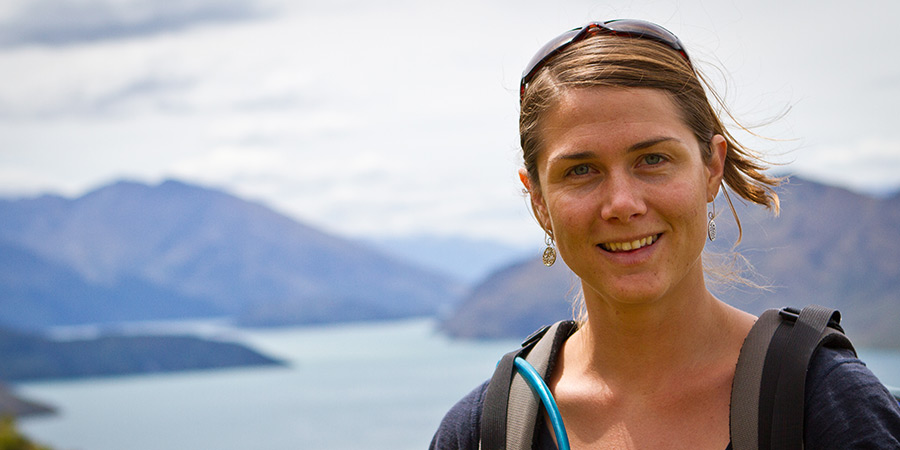
<p class="article-body"> For Jillian Klaucke, MD, the practice of medicine is not confined to the walls of a clinical exam room. The GBMC primary care physician’s study of Wilderness Medicine has provided her the opportunity to work in exotic locations like a clinic in Montana’s Yellowstone National Park, a medical practice in rural New Zealand and in Cusco, Peru, where she conducted high altitude illness research. Wilderness Medicine is the practice of medicine in limited-resource environments. It encompasses topics such as altitude sickness, cold- and heat-related illness, trauma, expedition and disaster medicine, dive medicine, search and rescue efforts and wild animal attacks. “From activities like exploring deserts, climbing mountains and skiing to scuba diving, white-water rafting and windsurfing, people find themselves in situations where medical issues can and do occur,” Dr. Klaucke explains. A doctor trained in Wilderness Medicine may be the difference between life and death for a patient. <br> <br> </p> <figure class="image-left"> <img src="/sites/default/files/hg_features/hg_post/c9150199209d5f53c0a008350253ebf4.jpg"> <figcaption> Primary Care Physician and Wilderness Medicine specialist Jillian Klaucke, MD, on an excursion outside of Wanaka, New Zealand. </figcaption> </figure> “My interest in this field has been lifelong; I grew up hiking and camping, and I always knew I also wanted to become a physician,” says Dr. Klaucke, who is a member of the Family Care Associates practice at GBMC. During her residency, Dr. Klaucke learned of the Wilderness Medical Society and knew she had found her niche. She decided to specialize in the subject and now works closely with the Society to hone her skills and educate other doctors. Throughout the course of her training, Dr. Klaucke has lectured on topics such as heat illness, wilderness ophthalmology, sun exposure, water procurement and purification, knot tying and land navigation. <br> <br> <blockquote> “An ounce of prevention is worth a pound of cure.” </blockquote> While Wilderness Medicine certainly involves extreme situations, medical professionals in the field are not solely focused on injuries or illnesses occurring in remote locations. These specialists also assist with the issuance of protocols for first response and secondary care, provide insight about prevention of medical emergencies, conduct epidemiological studies and contribute to public policy advisement and issuance of guidelines to disaster planning agencies. <br> <br> So what’s the benefit of having a primary care physician who has climbed 18,000 feet in Bolivia and surfed in Hawaii? “I think one of the advantages of this training is creative problem solving. I may not be discussing Wilderness Medicine with each patient, but the thought processes and skills learned are parallel,” says Dr. Klaucke. Her patients can consult with her when planning for or returning from locations with limited medical resources and benefit from her extensive regional knowledge. “An ounce of prevention is worth a pound of cure,” she notes, while adding that if patients return from vacations or expeditions with a medical issue — such as a fever or gastrointestinal upset — her experience with Wilderness Medicine is a great help as she works to find the best course of treatment. <br> <br> <div class="end-of-story"> </div>
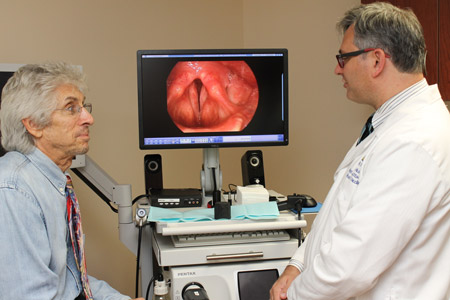
<figure class="image-left"> <img src="/sites/default/files/hg_features/hg_post/d21dfcffbdb65aa7d12f862586fc69fc.jpg" target="_blank" title="Mr. Eventoff and his wife, Bobbie"> <figcaption> Voice patient Richard Eventoff and his wife, Bobbie </figcaption> </figure> For attorney Richard Eventoff, persistent vocal hoarseness presented a challenge in his everyday life. Treatment at the Johns Hopkins Voice Center located at GBMC changed his life. This is his story, in his own words. <br> <br> Hospitals and doctors’ offices are all too familiar for me. I’ve had more than 15 surgeries during my life, from an appendectomy and tonsillectomy as a child to orthopedic surgeries on my knees and wrists as an adult. After a frightening open heart surgery in 2003, I hoped that my days of medical procedures would be behind me. Unfortunately, that was not the case. <br> <br> In 2012, I started to develop a raspy voice that didn’t go away. It wasn’t a painful feeling; I was just always hoarse. The symptom continued for about a year and a half. Since I’m a lawyer who negotiates union contracts for a living, it’s important for me to be able to speak clearly and effectively. I finally went to see a doctor, looking for answers. The first doctor told me that I simply needed to rest my voice and the problem would resolve itself. So, for a while, I tried to do most of my work by email instead of speaking. <br> <br> When the hoarseness didn’t go away, the doctor examined my throat more closely, diagnosed me with vocal cord disease and recommended surgical procedures to remove several lesions that had developed. But the symptoms persisted and the lesions kept coming back. My doctor sent me to see Lee Akst, MD, an otolaryngologist at the Johns Hopkins Voice Center located at GBMC, for more specialized treatment. <br> <br> When I walked into the Voice Center, I was filled with uncertainty, wondering if I might have cancer or if I would need to have my vocal cords removed. When I met Dr. Akst, he had a calming effect on me. It was apparent that he had cared for patients like me before. He was very knowledgeable and took his time explaining everything to me. <br> <br> <figure class="image-right"> <img src="/sites/default/files/hg_features/hg_post/2e032ef2850422210bf27f0afff9575b.jpg"> <figcaption> Mr. Eventoff and Dr. Akst at a recent follow-up appointment. </figcaption> </figure> With vocal cord disease, repeated surgeries can cause scarring in the throat, which affects the long-term quality of a person’s voice. I did not recover quickly from the first surgeries and had to whisper for weeks at a time afterward instead of speaking normally. I was concerned about what my voice might sound like in the future as a result of the procedures. Dr. Akst and the Voice Center team established a way to manage my vocal cord disease while keeping my voice quality intact using a technique called microlaryngoscopy. The treatment was much less invasive than what I had previously experienced. For example, when he looked at my throat, Dr. Akst used a device that went through my mouth instead of my nose. This method was easier and also put my anxiety to rest. <br> <br> During my most recent appointment with Dr. Akst, he said my throat looks better than ever! I have never liked looking at the screen showing images of my vocal cords, but during this last appointment, Dr. Akst strongly encouraged me to look at the remarkable “before and after” photos. It was truly amazing to see the difference that I can already feel and hear. <br> <br> Today, everyday life is enjoyable. It’s much easier now to communicate with my clients! I’m married to a wonderful woman and a typical weekend finds us relaxing at the pool in our backyard with any of our nine grandchildren. In my free time, I help to rehabilitate birds of prey and tend to my freshwater stingray tank. There’s never a dull moment at our house! I’m so grateful to Dr. Akst and the Voice Center for allowing me to continue living the life I love. <br> <br> <div class="end-of-story"> </div>
<iframe class="embed-responsive-item" src="https://www.youtube.com/embed/mF9AVl9Yrd0" allowfullscreen="allowfullscreen"></iframe> <p class="article-body"> Dr. John Chessare(President & CEO of GBMC HealthCare System) sits down with grateful patient Ms. Watkins to learn about the care management she has received at GBMC Texas Station. </p>
<iframe class="embed-responsive-item" src="https://www.youtube.com/embed/HkuKtOm5goc" allowfullscreen="allowfullscreen"></iframe> <p class="article-body"> A radical course of radiation treatment in 1985 saved 29-year-old nurse Patricia Tuck’s life, and her right leg. However, nearly 30 years later, she found herself once again fearing amputation — this time due to the radiation that had previously spared her limb. This is her story, in her own words. <br> <br> When I was diagnosed with a rare form of osteosarcoma in my right leg 28 years ago, not much was known about the disease. The standard treatment at the time was amputation, which I didn’t want to accept. My oncologist decided to try something new — extensive radiation to my entire leg. Fortunately for me, it worked! I was cancer free, but not out of the woods. I knew that radiation could have implications for me later in life. It could cause tissue damage and even other forms of cancer. <br> <br> Sure enough, many years later, I started seeing the negative effects in my right foot. As a nurse, I’m on my feet all day long and was experiencing pain due to the tissue damage. In May of 2013, I underwent surgery to straighten the toes in my foot to make walking a little more comfortable. Unfortunately, the surgery caused a new problem — a wound that wouldn’t heal. After four weeks of no improvement, my primary care physician told me it was time to see a wound care specialist. Knowing that GBMC has a renowned Wound Care Center as well as a hyperbaric oxygen therapy (HBOT) unit, I opted to go there to see Ziad Mirza, MD. I really didn’t know if my condition indicated HBOT, but I wanted to go to a center that had that capability just in case. <br> <br> Within five minutes of meeting me, Dr. Mirza recognized my history of heavy radiation treatment and knew HBOT would be the most effective therapy for my wound. The staff immediately called my insurance company, took care of all the background work, and had me in the HBOT chamber the very same day. <br> <br> Even though I have a clinical background, they fully explained everything to me in easy-to-understand terms. Dr. Mirza explained to me that I’d be placed inside the enclosed chamber and would breathe 100 percent oxygen at two to three times atmospheric pressure. It works by dissolving oxygen into the blood plasma, causing an increase in tissue oxygenation, stimulating healing of tissues, forming new blood vessels, controlling infections and regenerating new, healthy tissues. It is a best practice for the treatment of non-healing radiation-induced wounds, in addition to many other types. <br> <br> </p> <blockquote> I may be part of the medical world, but I was still a little nervous about the treatment. The thought of being enclosed inside a chamber was scary to me, and the staff recognized that. They helped to reassure me and ease my fears. </blockquote> I would never be left unattended while in the chamber — the technicians would be closely monitoring me the entire time. The chamber tops are also clear, so I was able to see outside the whole time and even watch TV or a DVD — although, sometimes I chose to simply take a nap! <br> <br> The improvement in my wound was astounding, and very quick. Within a week, I saw a huge difference in the healing process and was in much less pain. After just 30 daily treatments, I was completely healed and discharged from the program even earlier than expected. I can now complete my entire shifts at work. I’m so fortunate that Dr. Mirza is so knowledgeable and experienced in his field. Had I not known that HBOT was an option, my wound may have never healed, and I may have lost part of my foot. I am forever grateful to Dr. Mirza and the entire staff of GBMC’s Wound Care Center and HBOT for their continuous compassion, bedside manner and incredible expertise. Thanks to them, I can say that I have been cancer-free for 28 years and still have both of my legs to show for it!
If it weren’t for a routine endoscopy, Allen Woods, 68, wouldn’t have known there was a silent disease afflicting his esophagus. Mr. Woods had struggled with gastroesophageal reflux disease (GERD) for years and had been taking prescription medications to alleviate symptoms. However, as it does in approximately 15 percent of chronic GERD patients, the condition led to a more serious disease called Barrett’s esophagus (BE). That’s why he turned to Niraj Jani, MD, Division Head of Gastroenterology at GBMC. BE causes damage to the lining of the esophagus and can increase a person’s risk of developing esophageal cancer. This realization was of extra concern to Mr. Woods, as he is an oropharyngeal cancer survivor, putting him at higher risk of developing esophageal cancer. "Often, BE doesn’t show any warning signs besides GERD, so the timing of his endoscopy was fortunate. Factors that increase risk of developing BE include a long history of GERD or being older in age, overweight or a Caucasian male." In some cases, the only necessary treatment is lifestyle and diet changes to help manage GERD in an effort to prevent BE from developing further. These include limiting or eliminating certain foods and beverages, like fatty foods and caffeine that aggravate reflux symptoms, and maintaining a healthy weight. In Mr. Woods’ case, to prevent his BE from developing into cancer, he underwent a series of three simple procedures to eradicate the affected area. This procedure, called an EGD (esophagogastroduodenoscopy), uses a long, thin tube with a light and camera at the end, to visualize and biopsy abnormalities in the lining of the esophagus. During his EGD, Mr. Woods underwent a procedure called radiofrequency ablation (RFA), which is a highly effective method for eradicating Barrett’s esophagus. “During the procedure, heat energy generated by current is used to burn abnormal cells,” explains Dr. Jani, who adds that GBMC was the first community hospital in the Baltimore area to offer this treatment option. “I feel fortunate that this treatment option is available,” Mr. Woods says. “Rather than removing whole sections of my esophagus, Dr. Jani was able to remove only the abnormal cells in the lining.” Mr. Woods hasn’t had any adverse side effects from treatment and feels it’s impacted his life in a major way: “Knowing that I’m being closely monitored greatly reduces my anxiety about cancer. The peace of mind is priceless,” he says. Mr. Woods will undergo routine surveillance, but at the present time no longer has Barrett’s esophagus.
<p class="article-body"> Jeannine Moriconi, mother of three and married to her high school sweetheart, had her annual mammogram in 2012, but the journey that followed was anything but routine. Her rigorous course of treatment for breast cancer was concluded with a celebration of life and love. This is her story, in her own words. <br> <br> I wasn’t completely surprised when I received a call following my annual mammogram in April 2012 requesting that I come back for additional films. I’d had questionable results on previous mammograms that required biopsies, though they all had been benign. I didn’t become anxious until the radiologist explained that the films showed calcifications, which can indicate cancerous cells, and said he wanted to take multiple biopsies. Having lost three friends to breast cancer, including my best friend just a year prior, I had a bad feeling as I nervously awaited the results. <br> <br> General surgeon Frank Rotolo, MD, told me that the biopsies showed I had ductal carcinoma in situ (DCIS), a noninvasive form of breast cancer. He explained that DCIS is considered Stage 0 breast cancer and is highly treatable without chemotherapy. Lumpectomy and radiation are commonly used to treat DCIS, but given my history of abnormal mammograms, I opted for a mastectomy. I wanted to decrease the chance of the cancer spreading or coming back. I had a bilateral mastectomy and reconstruction in August 2012, and I was feeling good about my decision and my future. <br> <br> </p> <figure class="image-left"> <img alt="My husband and kids watch as I ring the bell." src="/sites/default/files/hg_features/hg_post/d37de59d457cc13df0269f604d6b6a2e.jpg"> <figcaption> My husband and kids watch as I ring the bell. </figcaption> </figure> One week after the surgery, my husband Jim took me to my post-operative appointment, which went much differently than expected. Dr. Rotolo sat down and looked at us with a pained expression. “I don’t know how to tell you this, but it’s worse than we thought,” he said. I was shocked to learn that additional testing on the tissue that they removed indicated I had a more invasive Stage 2-A cancer, which had traveled to my lymph nodes. I thought that by electing to have the mastectomy I was going to be fine, but it turned out that was only the beginning. <br> <br> Armed with the knowledge of my new diagnosis, I met with oncologist Robert Donegan, MD, who outlined a treatment plan of chemotherapy and radiation. The new diagnosis was frightening, but I felt comforted by all the doctors and nurses at GBMC. Having my complete care team under the same roof was both convenient and reassuring. When I was hospitalized for five days with an intestinal reaction and colitis following my first chemotherapy treatment, nurses were by my side through it all, and I could tell they truly cared about me. After Dr. Donegan changed my medication to prevent those complications, I had four chemotherapy sessions — once every three weeks — followed by 12 consecutive weekly treatments. The positive support around me kept me going. I took the drug Herceptin every three weeks for a year and concluded with six weeks of radiation under radiation oncologist Albert Blumberg, MD. Through the course of my treatment, I never felt alone when I was at GBMC. <br> <br> <figure class="image-right"> <img alt="After a long fight with cancer, ringing the bell to signify that my treatment was over felt so good!" src="/sites/default/files/hg_features/hg_post/a46cc13932a0c503f8527924a2731b57.jpg"> <figcaption> After a long fight with cancer, ringing the bell to signify that my treatment was over felt so good! </figcaption> </figure> The support of my family and friends through this journey has been incredible. On my last day of treatment, October 10, 2013, my husband orchestrated a surprise for me at GBMC. I had planned to do the ritual bell-ringing outside the Sandra & Malcolm Berman Cancer Institute to signify I had completed my last treatment, but I wasn’t expecting a massive celebration! When I walked outside, I saw the faces of more than 100 friends and family crowded into the vestibule to celebrate with me. There were yellow balloons everywhere — the color of celebration — and every row had people from all different parts of my life. There was my entire family, my childhood friends, our friends from Rhode Island, my son’s rugby coach and of course GBMC staff. I looked at Dr. Donegan and said, “This is why I have been able to get through all of this.” The physical and emotional recovery process has been a challenge, but I am focusing on enjoying life and the people around me. I’m fortunate to be where I am, and thankful to have had such outstanding care. <br> <br> <div class="end-of-story"> </div>
<p class="article-body"> Fifty-five-year-old Brian Lewis was just learning his “new normal” after undergoing a successful gastric bypass. He was embracing his healthy lifestyle when, two weeks after completing a grueling physical competition, he received a shocking colon cancer diagnosis. This is his story, in his own words. <br> <br> When my first granddaughter was born in 2007, I remember holding her and realizing that I had a lot to live for. She was, in a way, an inspiration for me to get back in control of my life. I was very overweight and, basically, my family physician told me that I needed to lose weight or I would die. I had a heart attack at age 45 and suffered with several other medical issues, from sleep apnea to asthma. It was time to make a change. <br> <br> </p> <figure class="image-right"> <img src="/sites/default/files/hg_features/hg_post/ba093d897aee120528b0188d0e5b9e20.jpg" alt="The Marine Corps Marathon in 2009 was the first marathon I ran after having gastric bypass surgery at GBMC"> <figcaption> The Marine Corps Marathon in 2009 was the first marathon I ran after having gastric bypass surgery at GBMC </figcaption> </figure> I found out about GBMC’s Comprehensive Obesity Management Program (COMP) through my insurance company and decided to check out the program. Living hours away on the Eastern Shore, I knew I wouldn’t be able to utilize all of the program’s helpful resources (such as the support groups), but the entire team impressed me, from the surgeons and dietitians to the patient services assistants. They seemed to have thought of everything to help their patients succeed. I chose to go through with gastric bypass surgery — a decision that changed my life. My surgeon, Babak Moeinolmolki, MD, performed successful laparoscopic surgery on July 2, 2008, and by the following. <br> <br> March, I had trained for and completed a half-marathon! My asthma and sleep apnea were gone. I no longer needed many of the medications I used to depend on. Best of all, I was confident that I was going to be around for my grandchildren. GBMC’s COMP team saved my life, and they continue to support me and troubleshoot any weight or diet challenges I face. <br> <br> A few years later, in July 2011, a new diagnosis changed my world. Two weeks after competing in a half-Ironman race, which consisted of 70.3 miles of swimming, biking and running, I was diagnosed with colon cancer. Having had no obvious symptoms, I was caught off-guard. Polyps had been found during a routine colonoscopy screening and tested positive for cancer. Unsure of what to do, I talked to Dr. Moeinolmolki, who suggested I make an appointment with his colleague George Apostolides, MD, FACS, FASCRS, GBMC’s Chief of Colorectal Surgery. Dr. Apostolides saw me right away, and we soon realized that my cancer was aggressive. During the initial diagnosis and CT scan, it appeared that the cancer was stage 1, with no apparent lymph node involvement. After a sonogram about 10 days later, Dr. Apostolides recognized that the cancer actually had reached my lymph nodes and was stage 3. I underwent surgery on August 2 and began a six-month course of chemotherapy on September 15. I’m happy to say that I’ve been cancer-free ever since. <br> <br> <blockquote> "My GBMC physicians remain a powerful resource for me in my endeavors, and everyone who cared for me did a wonderful job explaining what to expect each step of the way." </blockquote> <figure class="image-left"> <img src="/sites/default/files/hg_features/hg_post/9c83e7b921fe65034a19d633162611ad.jpg" alt="Nation's Triathlon in 2010. This was the first triathlon I completed. The money I raised was donated to finding a cure for cancer."> <figcaption> Nation's Triathlon in 2010. This was the first triathlon I completed. The money I raised was donated to finding a cure for cancer. </figcaption> </figure> Although I have nerve damage from my chemotherapy that causes discomfort in my feet and still feel a little tired sometimes, I’m working hard to get back into the good physical condition I was in before cancer. Determined to keep pushing toward that “new normal” I enjoyed after my weight loss surgery, I’m training to do another half-Ironman in June and a full-Ironman in November. I continue to live the healthy lifestyle that I began after my bariatric surgery, focusing on nutrition and fitness. My GBMC physicians remain a powerful resource for me in my endeavors, and everyone who cared for me did a wonderful job explaining what to expect each step of the way. When I had my bariatric surgery, I was thankful to know I’d be here for my grandkids. Now, thanks to both Dr. Moeinolmolki and Dr. Apostolides, I’m hopeful that I’ll be here for my great grandkids too. <br> <br> <div class="end-of-story"> </div>
<iframe class="embed-responsive-item" src="https://www.youtube.com/embed/HHfwR43DWnA" allowfullscreen="allowfullscreen"></iframe> <p class="article-body"> Ovarian cancer patient Carol Bechtel explains her treatment at GBMC and why she chose to be part of a clinical trial at the Sandra and Malcolm Berman Cancer Institute. </p>
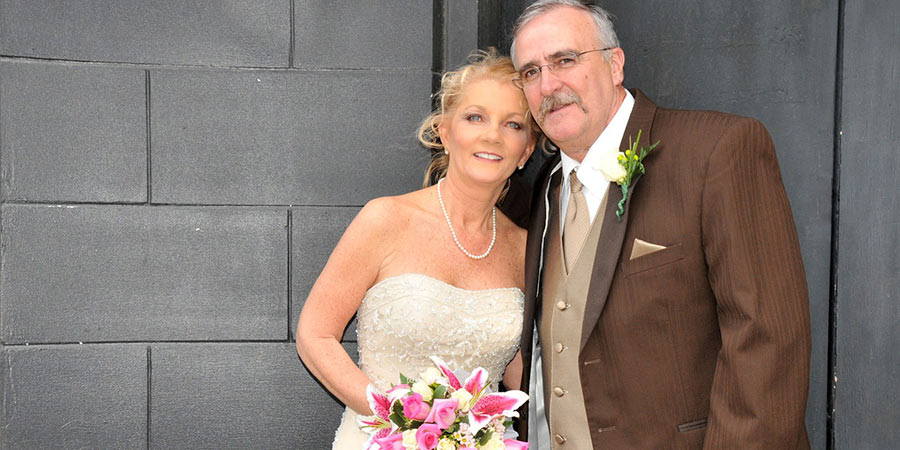
<p class="article-body"> A honeymoon filled with chemotherapy and radiation wasn’t exactly what Phil Kenney had hoped for himself and his new bride, Linda. However, that’s exactly how they spent the weeks following their wedding. <br> <br> It all started in March 2010, when Mr. Kenney was diagnosed with stage IV tonsil cancer. After learning of his diagnosis, Mr. Kenney proposed to Linda, his girlfriend of more than 20 years. On April 17, 2010, one short month after the proposal, the couple was married in a full Catholic wedding. Instead of taking a tropical honeymoon, the following six weeks were spent at GBMC as Mr. Kenney began treatment. He had been referred to GBMC’s Sandra & Malcolm Berman Cancer Institute, where he could seek the help of head and neck specialists at the Milton J. Dance, Jr., Head and Neck Center. Though it was 300 miles round-trip from the couple’s home in Frostburg, Maryland, they knew that GBMC is where Phil could best receive the comprehensive care he needed. <br> <br> “I was first seen on a Monday and had a complete care plan by Wednesday,” says Mr. Kenney. After that, he knew he wasn’t going anywhere else. “GBMC offered me all the care I needed under one roof. As a patient, it’s very reassuring to know that all of your doctors and nurses are coordinating your care to help give you the best results possible.” <br> <br> </p> <figure class="image-right"> <img src="/sites/default/files/hg_features/hg_post/7783c7884208e83d144d660bf340c3d0.jpg" alt="RapidArc Linear Accelerator"> <figcaption> RapidArc Linear Accelerator </figcaption> </figure> During the weeks of Mr. Kenney’s treatment, he and Linda stayed at the Hope Lodge, a low-cost residence run by the American Cancer Society for cancer patients undergoing treatment more than 40 miles from their homes. Once he had recovered from surgery, his schedule consisted of radiation therapy twice daily on GBMC’s state-of-the-art RapidArc Linear Accelerator and chemotherapy at the Infusion Center once a week. Like all of GBMC’s cancer patients, he also had access to the support of his surgical team, along with other extensively trained oncology professionals like speech pathologists, social workers, voice and swallowing experts, patient navigators, radiation and medical oncologists and a specialized oncology dietitian. <br> <br> The Kenneys left every Friday afternoon for a brief stay at their home in Frostburg before returning to Baltimore on Sundays. “Being able to stay at the Hope Lodge was a lifesaver,” says Mrs. Kenney. “We knew that GBMC had the best services for head and neck cancer, and being able to stay nearby made our decision even easier.” <br> <br> Mr. Kenney is back home in Frostburg after completing his treatments, but the care he received at GBMC has made a lasting impression on him and his wife. <br> <br> “It’s been quite a journey, but everyone at GBMC has made it as pleasant as could be,” says Mrs. Kenney. “Every step of Phil’s care was laid out for us, and all our questions and concerns were addressed. The care he’s received has been a true blessing.” <div class="end-of-story"> </div>