Orthopaedic care built around your life.
Expert care for bones, joints, muscles & more. From a recent injury to an ongoing condition, GBMC offers evaluation, rehabilitation, non-surgical treatment and advanced surgery from one experienced orthopaedic team.
GBMC Health Partners Orthopedics
6569 N. Charles Street
Physicians Pavilion West, Suite 705
Towson, MD 21204
Call or schedule
Office hours
Monday-Friday
8 a.m.-5 p.m.
Planning your visit
Complete orthopaedic care, centered on your life.
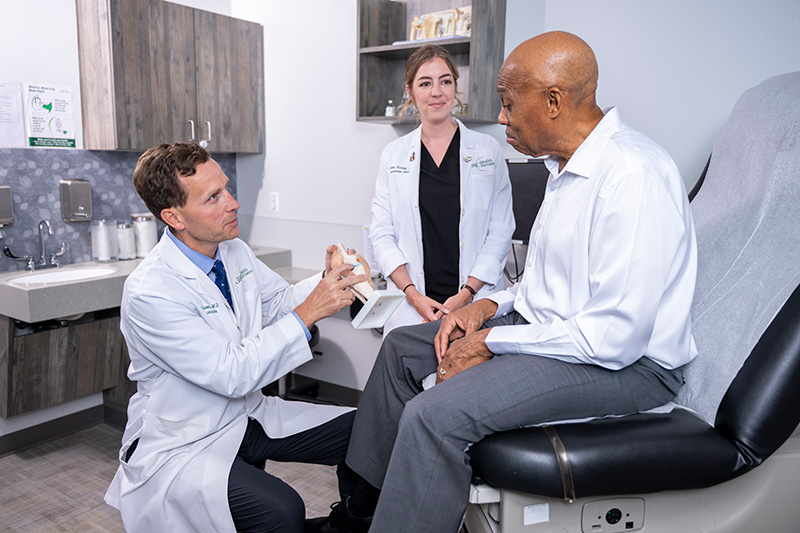
GBMC brings orthopaedic surgeons, physician assistants, rehabilitation specialists and experienced clinical teams together to care for bones, joints, muscles, ligaments and tendons.
We treat sports injuries, fractures, arthritis and other musculoskeletal conditions with a full range of care—from evaluation and physical therapy to minimally invasive procedures, reconstruction and joint replacement. Education and shared decision-making are part of every treatment plan.
- 01Schedule an evaluationOr visit our walk-in clinic for a recent injury.
- 02Understand your optionsReview diagnosis, imaging and treatment choices with your care team.
- 03Follow your care planMove forward with therapy, non-surgical care or surgery when appropriate.
Pain doesn’t always wait.
Neither should you.
Same-day evaluation for injuries and other musculoskeletal concerns at two convenient Baltimore County locations.
Towson
GBMC Main Campus
6569 N. Charles Street
Physicians Pavilion West, Suite 705
Towson, MD 21204
Monday-Friday
8 a.m.-3 p.m.
Last patient at 2:30 p.m.
Timonium
Padonia Road
63 E. Padonia Road, Suite 100
Timonium, MD 21093
Monday-Friday 8 a.m.-3 p.m.
Saturday 8 a.m.-12 p.m.
Last patients at 2:30 p.m. and 11:30 a.m.
Hours are subject to change. An insurance referral may be required. Please check your coverage before visiting.
Care for the
way you move.
The right starting point might be an exam, imaging, physical therapy, an injection or a conversation with a surgeon. Explore care by the part of life pain is interrupting.
05Physical Medicine & RehabilitationNon-surgical pain and function care
06Bone Health & Fracture PreventionOsteoporosis and pre-surgery optimization
Procedures performed +
- Achilles repair
- ACL reconstruction
- Adult hip and knee reconstruction
- Ankle arthroscopy
- Bunionectomy
- Carpal tunnel surgery
- Fracture fixation and repair
- Hip replacement
- Knee arthroscopy
- Partial and total knee replacement
- Rotator cuff repair
- Shoulder arthroscopy and stabilization
- Total ankle replacement
- Total shoulder replacement
- Ultrasound-guided arthrocentesis
Conditions treated +
- Achilles tendon rupture
- Ankle arthritis, fractures and sprains
- Arthritic hips and knees
- Avascular necrosis
- Bunions and hammertoes
- Bursitis and tendonitis
- Carpal tunnel
- Degenerative joint disease
- Fractures
- Ligament and meniscus tears
- Osteoarthritis
- Osteopenia and osteoporosis
- Plantar fasciitis
- Rotator cuff tears
- Sports injuries
Surgery isn’t always
the first step.
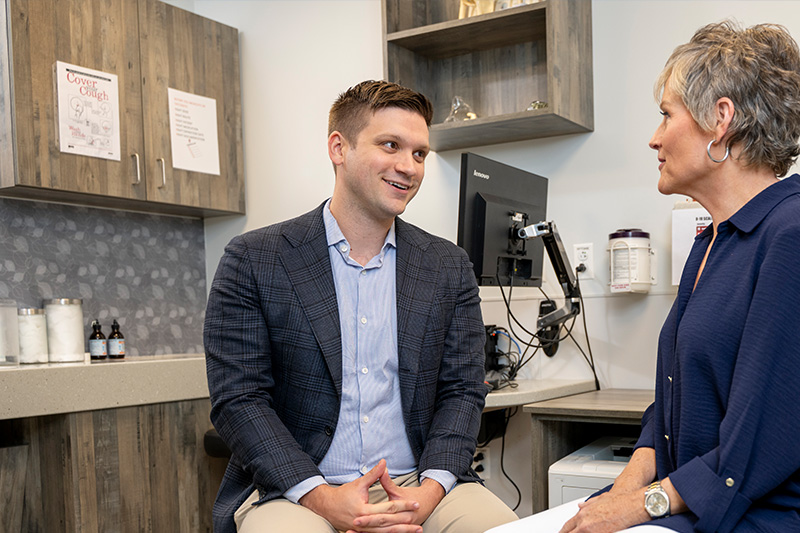
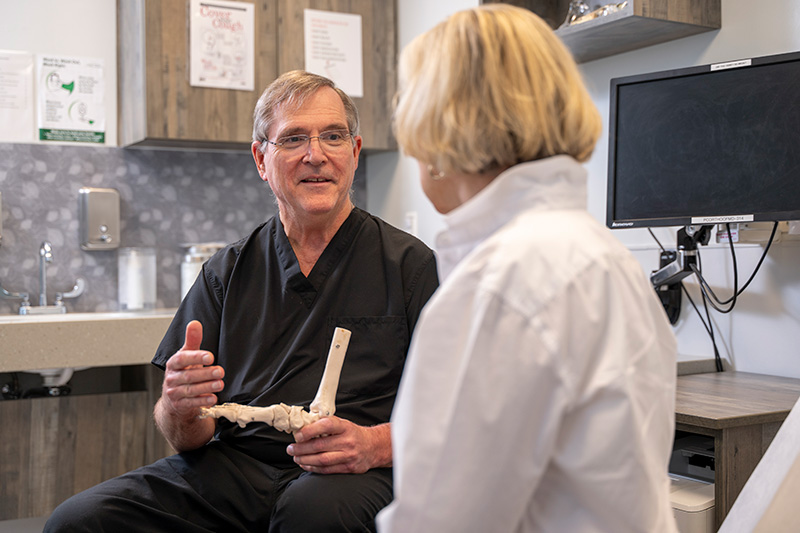
Care can begin with a better understanding of what hurts and why. We offer non-surgical outpatient treatment and physical therapy alongside minimally invasive procedures, fracture repair and joint replacement.
When surgery is right, education and preparation are built into your plan.
Move better.
Feel better.
Live better.
Hip Replacement
Understand hip anatomy, arthritis, replacement options and what recovery can involve.
Detailed hip replacement information +
Hip anatomy and arthritis
The healthy hip is a ball-and-socket joint. Cartilage covers the ball and socket, helping the bones move smoothly. Arthritis can cause pain, stiffness, swelling and loss of motion when this protective surface deteriorates.
The procedure
During hip replacement, damaged sections of bone are removed. The thighbone receives a stem and ball, while the pelvis receives a cup and liner. Your surgeon will evaluate your condition and discuss the components and approach most appropriate for you.
After surgery
Movement, home exercises and follow-up visits are important during recovery. Your care team will explain how to sit, use stairs and return safely to low-impact activity. Individual instructions and recovery time vary.
Knee Replacement
Learn about total and partial replacement, minimally invasive approaches, preparation and recovery.
Detailed knee replacement information +
Knee anatomy and arthritis
The knee is a hinge joint formed by the thighbone, shinbone and kneecap. Cartilage acts as a shock absorber and creates a smooth surface for movement. Osteoarthritis wears down that cartilage and can make weight-bearing and motion painful.
Total knee replacement
Total knee replacement resurfaces damaged joint bones with metal alloy and polyethylene components designed to recreate a healthy joint surface. Your surgeon will recommend implants and techniques based on your individual condition.
Minimally invasive and rapid recovery approaches
For appropriate patients, specialized instruments may allow surgery through a shorter incision while preserving more soft tissue. Preparation can include education, strengthening, nutrition guidance and a coordinated pain plan.
Risks and recovery
Possible complications include infection, blood clots, implant wear, stiffness and pain. Rehabilitation begins soon after surgery to restore motion and strength. Recovery time and return-to-activity guidance differ for every patient; your surgeon will advise you.
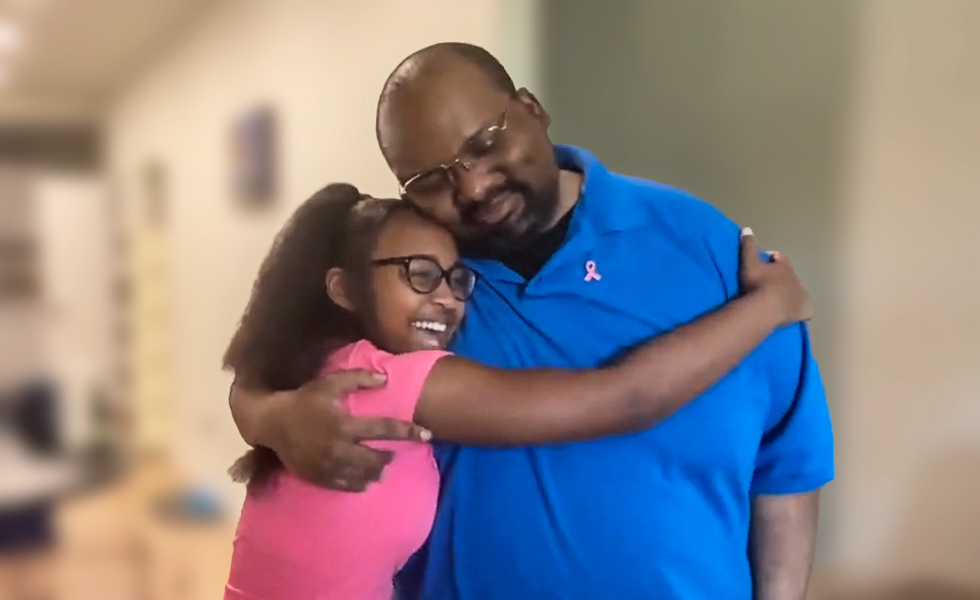
Real care.
Real progress.
The goal isn’t just to feel better. It’s getting back to the life you love.
Every patient’s path is different. See how GBMC Orthopedics combines personalized care and expertise to help patients get moving again.
The people
around you.
Orthopaedic surgeons and physician assistants who listen first, explain clearly and build care around what you want to do next.
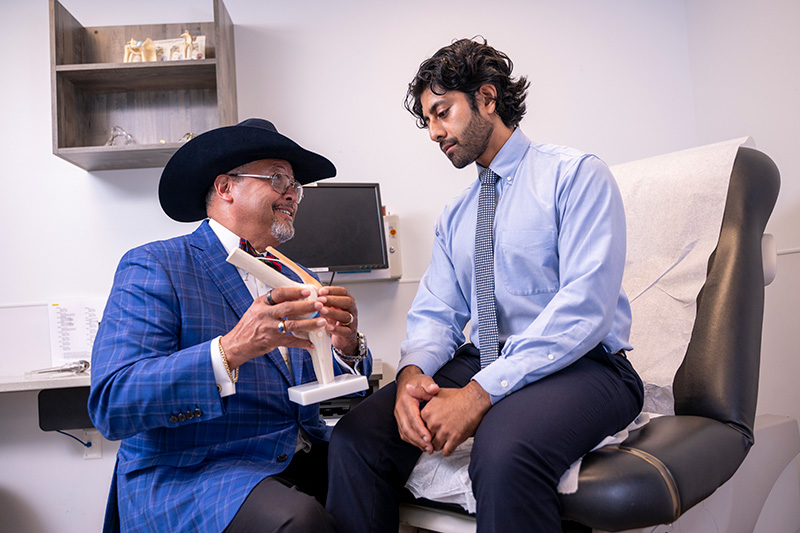
 Alexa Bartley, PA-CPhysician Assistant
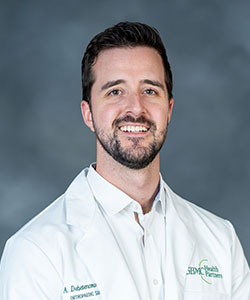 Alexandre A. Debetencourt, PA-CPhysician Assistant
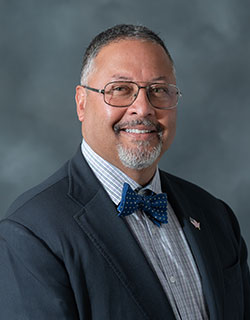 Ronald E. Delanois, MD, FAAOSOrthopaedic Surgeon
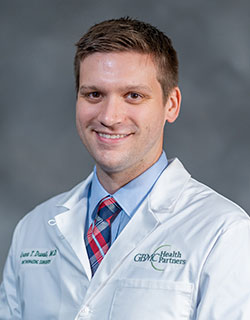 Grant Duvall, MDOrthopaedic Surgeon
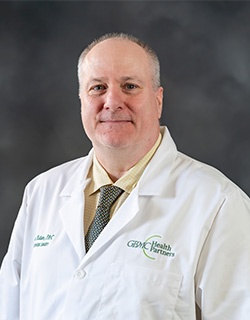 Eric Huber, MMSc, PA-CPhysician Assistant
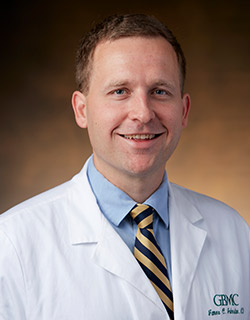 James C. Johnston, MDOrthopaedic Surgeon
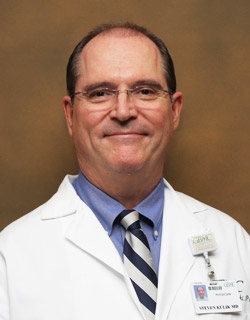 Steven A. Kulik, MDOrthopaedic Surgeon
 Todd M. Melegari, MDOrthopaedic Surgeon
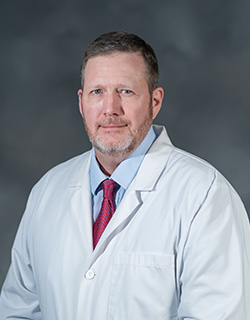 Edward “Craig” Smith, PA-CPhysician Assistant
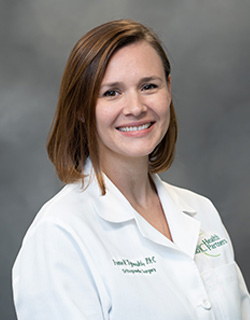 Irene V. Tyburski, PA-CPhysician Assistant
Answers before your visit.
Do I need an appointment for the walk-in clinic?+
No appointment is needed. Hours are subject to change, and an insurance referral may be required. Call 443-849-3838 and check your insurance coverage before visiting.
Where are the walk-in clinics?+
Visit the GBMC Main Campus in Towson or Padonia Road in Timonium. Addresses and current posted hours are listed above.
What conditions do you treat?+
We care for joint, muscle, bone and sports injuries, including arthritis, fractures, tendon and ligament injuries, foot and ankle conditions, hip and knee pain, shoulder and elbow concerns, and osteoporosis.
Is surgery always required?+
No. Your plan may include physical therapy, medication, injections, non-surgical care, minimally invasive treatment or surgery, depending on your condition and goals.
There is no room
for pain in your life.
Tell us what you want to get back to.