
Podcasts
Practical, compassionate guidance from GBMC clinicians for every stage of life.
Dysphagia is described as condition with difficulty or pain in swallowing food, liquid, or managing secretions. Dysphagia may make it difficult to intake enough calories and/or fluids to nourish the body. This may lead to additional or subsequent medical problems.
Dysphagia may occur when there is a problem with the neural control, the physical structure, or the strength of musculature involved in any part of the swallowing process. Food or liquid that enter the airway (trachea), rather than the food pipe (esophagus), may enter the lungs and allow harmful bacteria to grow. This may result in a subsequent lung infection, called aspiration pneumonia. (Ref. 6)
Swallowing disorders may also include the development of a pocket outside the esophagus caused by weakness in the esophageal wall. The esophagus may also be too narrow, causing food to feel “stuck.” This food may prevent other food or liquids from entering the stomach effectively and efficiently.
Although dysphagia can occur at any age, it’s diagnosis, treatment, and management, depends on the cause of the dysphagia. The National Foundation of Swallowing Disorders has placed the incidence of dysphagia at 22 percent for the population above the age of 50. (Ref. 1)
Structural causes of dysphagia include tumor, post-surgical swelling, infection, esophageal diverticulum, Zenker’s diverticulum, bone osteophytes, surgical hardware around the pharynx and the esophagus, vascular compression, rings and webs, reflux, pectic stricture, previous trauma, or surgery in the esophagus.
Functional causes of dysphagia include stroke or cerebrovascular accident, peripheral neuropathies, amyotrophic lateral sclerosis, post-poliomyelitis, multiple sclerosis, achalasia, esophageal spasm, esophageal motility disorders, idiopathic apersistalsis, diabetes, Parkinson’s disease, medications, esophagitis, and scleroderma.
• Coughing during eating or drinking
• Coughing after eating or drinking
• Significant Weight loss (>30 pounds) within a short period of time
• Dehydration due to difficulty with swallowing
• Wet or gurgling voice either during eating/drinking or after eating/drinking
• Painful swallowing (Odynophagia)
• Hoarseness in voice quality
• Sensation of food being stuck behind breastbone
• Sensation of food getting stuck in the throat
• Persistent choking sensation
• Food regurgitating back to the mouth or throat
• Recurrent pneumonia
• Lengthy feeding or mealtimes
• Difficulty swallowing pills
The various symptoms of dysphagia encompass and/or involve several organ systems, including the oral cavity, oropharynx, esophagus, and the stomach. The Milton J. Dance Head and Neck Center offers a comprehensive, multidisciplinary, and integrated team for the management and treatment of dysphagia. The Adult Dysphagia Multidisciplinary Team is composed of ENT doctors, Gastroenterologists, Laryngologists, Nutritionists, Social Services, and Speech-Language and Swallowing Pathologists.
Depending upon the patient's presentation, work-up may include the following:
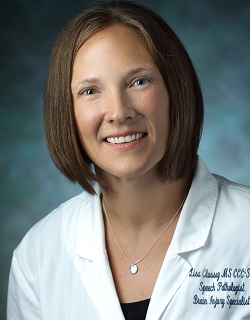
Member of ASHA, SID - 2 Neurophysiology and Neurogenic Speech and Language Disorders; SID-13 Special Interest Group 13, Swallowing and Swallowing Disorders (Dysphagia). Board Certified Brain Injury Specialist.
Lisa’s clinical interests are in the areas of swallowing disorders, adult speech, language, and cognition following neurological impairments including stroke and traumatic brain injury.
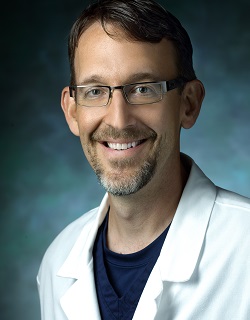
Member of ASHA, SID - 2 Neurophysiology and Neurogenic Speech and Language Disorders; SID-13 Special Interest Group 13, Swallowing and Swallowing Disorders (Dysphagia)
Jason’s clinical interests are in the areas of adult speech, language, cognitive, and swallowing disorders following neurological impairments including stroke and traumatic brain injury. He has received specialized training in cognitive rehabilitation by the American Congress of Rehabilitation Medicine. As an affiliate faculty member at Loyola University, he has instructed graduate students on the assessment and treatment of aphasia.
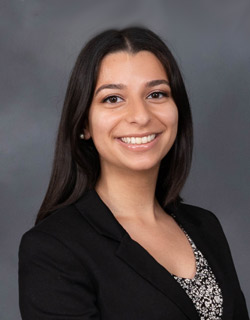
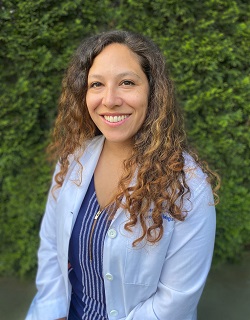
Ana graduated with her Master's Degree in Speech-Language Pathology in 2007 from Loyola University of Maryland. Her areas of interest are in swallowing disorders and voice disorders. She has extensive experience with medically complex patient populations, NICU, PICU, and pediatrics. Her current focus is on the head and neck cancer population. She is a member of the ASHA special interest groups for swallowing disorders, voice and upper airway disorders. She is certified in MBSImP, McNeill Dysphagia Treatment Program, and LSVT Loud.
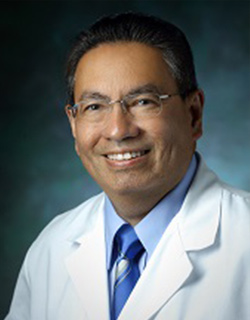
Medical Director - Milton J. Dance, Jr. Head & Neck Center, Head and Neck Surgery
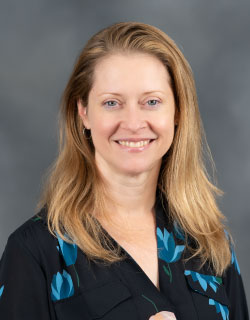
Speech Coordinator
Lee Silverman Voice Treatment. Member of ASHA SID 3 and NATS.
Melissa Bidlack, CCC-SLP, is a speech-language pathologist and singing voice specialist at Johns Hopkins Voice Center. She completed her clinical fellowship at Johns Hopkins Bayview Medical Center, specializing in voice, swallowing, and neurological disorders. Ms. Bidlack received her Master of Science degree in Speech-Language Pathology from Columbia University Teachers College. She also holds a Master of Music degree from Rice University in Vocal Performance. Prior to her career in speech-language pathology, she performed as a professional opera singer and served on the voice faculty at Whitman College. Melissa Bidlack, CCC-SLP, is a speech-language pathologist and singing voice specialist at Johns Hopkins Voice Center. She completed her clinical fellowship at Johns Hopkins Bayview Medical Center, specializing in voice, swallowing, and neurological disorders. Ms. Bidlack received her Master of Science degree in Speech-Language Pathology from Columbia University Teachers College. She also holds a Master of Music degree from Rice University in Vocal Performance. Prior to her career in speech-language pathology, she performed as a professional opera singer and served on the voice faculty at Whitman College.
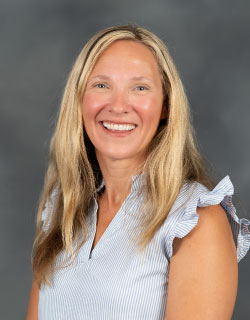
Senior Speech-Language Pathologist Senior Speech-Language Pathologist
Member of ASHA, SID - 2 Neurophysiology and Neurogenic Speech and Language Disorders; SID-13 Special Interest Group 13, Swallowing and Swallowing Disorders (Dysphagia). Board Certified Brain Injury Specialist.
Lisa’s clinical interests are in the areas of swallowing disorders, adult speech, language, and cognition following neurological impairments including stroke and traumatic brain injury. Lisa’s clinical interests are in the areas of swallowing disorders, adult speech, language, and cognition following neurological impairments including stroke and traumatic brain injury.
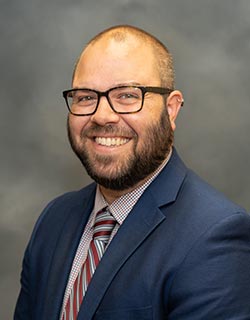
Administrative Director
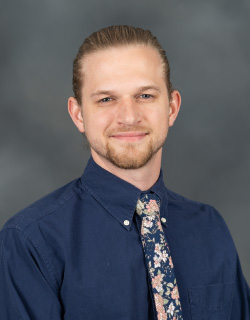
Speech-Language Pathologist
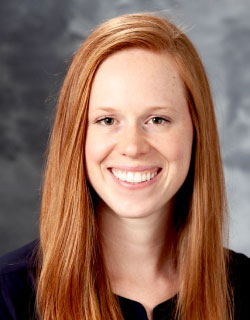
Amberlynn is a Medical Speech Pathologist specializing in adult dysphagia, head and neck cancer-related issues, and laryngectomy rehabilitation. Her expertise includes managing speech, voice, and swallowing disorders related to head and neck cancer, alaryngeal communication, dysphagia post-total laryngectomy, and voice prosthesis management. She also specializes in treatment of head and neck lymphedema and utilizes various modalities for dysphagia treatment such as Manual Lymph Drainage, Manual therapy, neuromuscular electrical stimulation (NMES), and biofeedback modalities (NMES, FEES and Pharyngeal Manometry).
Amberlynn holds a Master’s in Speech-Language Pathology and completed her clinical fellowship year at the University of Wisconsin-Madison Voice and Swallow Clinics. She is a Certified Lymphedema Therapist (CLT) and Certified by the Lymphedema Association of North America. She has a passion for life-long learning and clinical advancement which drives her commitment to staying at the forefront of clinical advancements and evidence-based practice. Amberlynn is also deeply committed to patient education, empowering individuals and families to manage swallowing difficulties and improve their quality of life throughout recovery.
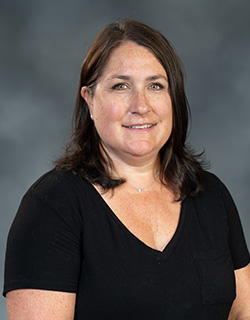
Allison graduated from Penn State University in 1997 with a degree in Nutrition and completed a dietetic internship to become a Registered Dietitian at the University of Delaware, graduating in 2000. She has experience in adult, pediatric, and NICU nutrition. Her current role is in adult oncology. She is a member of the Academy of Nutrition and Dietetics and of the academy's Oncology Nutrition Dietetic Practice Group.
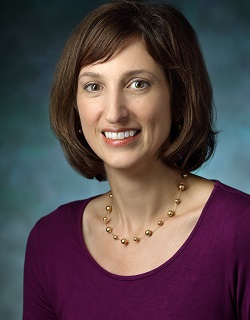
Oncology Social Work Clinical Specialist
Board Certified Oncology Social Worker, Member of Association of Oncology Social Workers
Karen has a clinical interest in assisting head and neck cancer patients and their families with the emotional adjustments and practical issues related to diagnosis, treatment and recovery. Karen has a clinical interest in assisting head and neck cancer patients and their families with the emotional adjustments and practical issues related to diagnosis, treatment and recovery.
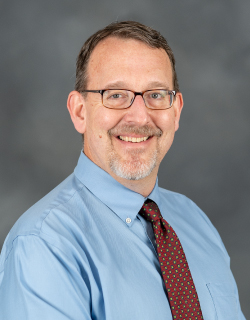
Speech Coordinator
Member of ASHA, SID - 2 Neurophysiology and Neurogenic Speech and Language Disorders; SID-13 Special Interest Group 13, Swallowing and Swallowing Disorders (Dysphagia).
Jason’s clinical interests are in the areas of adult speech, language, cognitive, and swallowing disorders following neurological impairments including stroke and traumatic brain injury. He has received specialized training in cognitive rehabilitation by the American Congress of Rehabilitation Medicine. As an affiliate faculty member at Loyola University, he has instructed graduate students on the assessment and treatment of aphasia. Jason’s clinical interests are in the areas of adult speech, language, cognitive, and swallowing disorders following neurological impairments including stroke and traumatic brain injury. He has received specialized training in cognitive rehabilitation by the American Congress of Rehabilitation Medicine. As an affiliate faculty member at Loyola University, he has instructed graduate students on the assessment and treatment of aphasia.
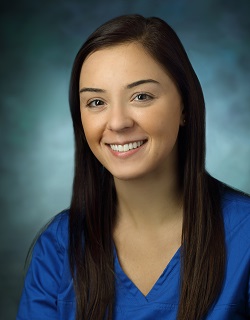
Speech-Language Pathologist
Graduated from Loyola University Maryland with her Master’s Degree in 2019. She completes speech-language and feeding/swallowing evaluations and treatment sessions at the Milton J. Dance Center for children ages 0 months-18 years.
Bushra Lohrasbi received her Master of Arts degree in Speech-Language Pathology at University of Maryland, with an academic focus on progressive neurodegenerative disorders (Parkinson’s Disease, Multiple Sclerosis, ALS) and bilingual language development.
Bushra’s primary clinical specialty at the Milton J. Dance Jr. Head and Neck Center encompasses head and neck cancer swallow and voice evaluation and rehabilitation following surgical resection and/or radiation therapy. Bushra is passionate about designing and conducting clinical translational research. Bushra is facilitating inter-disciplinary clinical trials focused on head and neck cancer populations, alongside of tracheostomized populations for upper airway concerns.
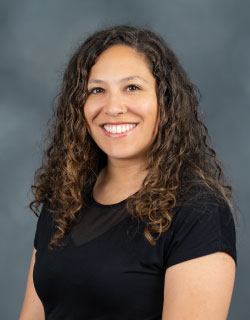
Senior Speech-Language Pathologist
Ana graduated with her Master's Degree in Speech-Language Pathology in 2007 from Loyola University of Maryland. Her areas of interest are in swallowing disorders and voice disorders. She has extensive experience with medically complex patient populations, NICU, PICU, and pediatrics. Her current focus is on the head and neck cancer population. She is a member of the ASHA special interest groups for swallowing disorders, voice and upper airway disorders. She is certified in MBSImP, McNeill Dysphagia Treatment Program, and LSVT Loud.
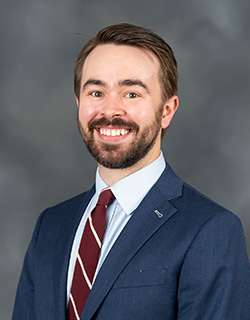
Jesse Palmer is a speech pathologist and voice specialist at the Johns Hopkins Voice Center at GBMC. He received his Bachelor’s of Arts in Vocal Performance from Elon University and his Master’s of Science in Speech and Hearing Sciences from the University of North Carolina at Chapel Hill. Mr. Palmer completed his clinical fellowship at Philadelphia Ear, Nose, and Throat Associates with Dr. Robert Sataloff, specializing in the treatment of voice disorders. He has received level three training in Somatic Voicework™ The LoVetri Method and has completed the Foundations of Manual Therapy: Advanced Voice and Swallowing coursework. Mr. Palmer is a member of the ASHA Voice and Voice Disorders Special Interest Group (SIG-3).
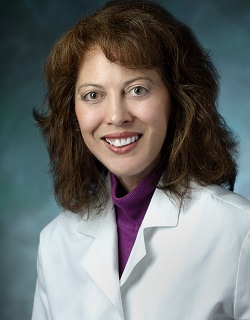
Otolaryngology Nurse Specialist
Karen has 30+ years experience working with head and neck oncology patients and their families/friends. She enjoys working with patients throughout their cancer journey, from diagnosis and treatment through long-term survivorship. Karen co-facilitates the Dance Center’s monthly Head & Neck Cancer Patient and Family Support Group.
Karen has expertise in the management of tracheostomies. She is available for both inpatient and outpatient consultations. She presents locally and nationally on a variety of Head & Neck Cancer topics.
Karen’s involvement in Head & Neck Cancer extends beyond GBMC. She is an active member of the Society of Otorhinolaryngology and Head-Neck Nurses (SOHN). She currently serves as the chair of the SOHN National Education Committee and is SOHN’s Accredited Provider Program Director. Karen serves on the Board of Directors for Support for People with Oral and Head and Neck Cancer (SPOHNC). She is also a member of the Global Tracheostomy Collaborative (GTC) and the Academy of Oncology Nurse & Patient Navigators (AONN+).
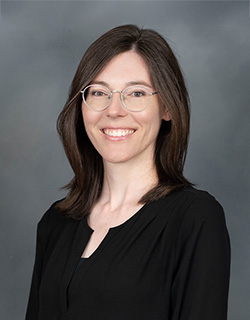
Randi Wooding is a speech-language pathologist specializing in voice disorders at the Johns Hopkins Voice Center. Ms. Wooding received her SLP degree from the University of Maryland and completed her clinical fellowship at Johns Hopkins Bayview Medical Center. In addition to her clinical training, Ms. Wooding holds a Master’s degree in Vocal Performance and Pedagogy from the University of Texas at San Antonio. Prior to beginning her clinical work, Ms. Wooding was on the voice faculty at Baptist University of the Américas and taught singing lessons at multiple high schools and music programs in the San Antonio, TX area.
Practical, compassionate guidance from GBMC clinicians for every stage of life.