<embedded-content data-plugin-config="{"video_content_config":{"video_image":[],"video_image_alt":"","video_upload":[],"video_embed":"https:\/\/www.youtube.com\/embed\/hN432OhZrtc","video_url":""},"video_style_config":{"video_background_color":{"settings":{"color":""}},"video_play_background_color":{"settings":{"color":""}},"video_play_opacity":"","video_play_color":{"settings":{"color":""}}}}" data-plugin-id="embedded_video"> </embedded-content><p class="article-body">Having a child is an incredibly exciting time, but it can also come with a lot of anxiety! Lanny Dowell, Parent Education and Doula Coordinator at GBMC, recently talked with Reagan (a new dad himself) from the Baltimore Mix 106.5 Morning Show about all things related to labor, delivery and parenting. <br><br>Many parents go through pregnancy and birthing with a set of preconceived notions about what is and is not supposed to happen. These ideas can come from Google, other parents, or even their experiences with previous births. A GBMC employee of more than 22 years, Lanny encourages parents to keep an open mind because every delivery is different, “As soon as you make a plan, it is never going to go the way you want it to go, so why set yourself up for disappointment?” While physicians, nurses, and other providers care for the mother and child’s physical health, additional support can ease a lot of stress for the parents-to-be throughout the process; that's what doulas are for. <br><br>For those unfamiliar with the term, doulas are non-clinical professionals trained to support families through pregnancy, birth, and postpartum issues. They are contracted by the expectant couple to give personal, one-on-one advice and assistance to the new family. Doulas are present throughout the entire birth, whether it's medicated, non-medicated, or cesarean. They work closely with the medical team and often help the laboring mother with massage, breathing techniques, birthing positions, and initial breastfeeding. Doulas can be hired to ease the transition from hospital to home, assisting families with infant care, sibling care, breastfeeding, developing sleep patterns, and even light household duties. GBMC’s doulas also hold regular parent education classes on various topics at the hospital. During her conversation with Reagan, Lanny answered live and pre-submitted questions about ensuring that fathers are included and comfortable with the birthing process, skin-to-skin bonding time, feeding, sleeping, and how far in advance a doula should be consulted before being contracted.</p>
<iframe class="embed-responsive-item" src="https://www.youtube.com/embed/0q8sY1y5q-k" allowfullscreen="allowfullscreen"></iframe> <p class="article-body"> <strong>Varicose veins: Myths, facts, and treatments</strong> <br> <br> Was your mom right when she warned you that crossing your legs would cause varicose veins? Why are women more likely to have vein disease than men? How quickly do people recover from the latest treatments for varicose veins? ABC2News Good Morning Maryland host Ashley James and Dr. Jennifer Heller, Director of the Vein Center at GBMC and Medical Director of GBMC’s Wound Care Center, answered Facebook Live viewers’ questions about these and other vein health issues. <br> <br> Explaining what causes vein disease, Dr. Heller said, “Veins have the harder job in terms of our circulation. They need to pump the blood up from our legs back to our hearts against gravity. If the valves between those veins don’t close all the way, blood can pool in the leg veins, causing varicose veins.” Unfortunately, women’s hormones, especially during pregnancy, increase the risk of vein disease, so many women find themselves with a feeling of heaviness and fatigue in their legs, some of the first signs of vein disease. <br> <br> While genetics do a play a role in the likelihood that you’ll develop vein disease, there are some proactive steps you can take to lower your risk. Staying active is the number one recommendation. Exercises that flex the ankle and use your calf muscles help push the blood back up to your heart, lowering the stress on your veins. Maintaining a healthy weight is also important. If you have the early stages of vein disease, compression stockings can also be helpful, but Dr. Heller says they can get hot and cumbersome during those Baltimore summers. <br> <br> While the varicose vein surgery of a decade or so again could be quite painful and required a hospital stay and long recovery period, the latest treatments are minimally invasive and done on an outpatient basis. “After varicose vein treatment, patients are home in a few hours, walking around, with no need for strong pain medications,” said Dr. Heller. You might be surprised to learn that if your varicose veins aren’t causing any symptoms, you don’t need to treat them. The best way to find out if treatment is the right option for you is to talk with your primary care doctor or a vein specialist. </p>
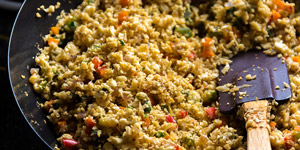
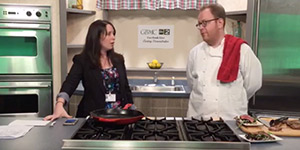
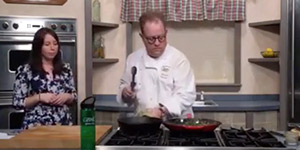
<iframe class="embed-responsive-item" src="https://www.youtube.com/embed/5WxYz6YHIeM" allowfullscreen="allowfullscreen"></iframe> <p class="article-body"> Every month, GBMC holds a Facebook Live cooking demonstration featuring healthy recipes from <a href="http://thesleevedchef.com/" target="_blank">The Sleeved Chef</a>, Michael Salamon. Michael graduated from the Culinary Institute of America and is passionate about “teaching cooking techniques and recipes to pre- and post-operative bariatric patients.” He had a type of bariatric surgery known as a sleeve gastrectomy in September 2016 and enjoys sharing his knowledge of cooking with fellow weight loss patients. Co-hosting the demonstration with him is Jana Wolff, RD, LDN, Director of Nutrition for GBMC’s Comprehensive Obesity Management Program, where Michael was treated. <br> <br> <b>Ingredients</b> <br> <br> 4 oz chicken breast, thinly sliced <br> 1 cup of cauliflower rice <br> 1 yellow onion, small diced <br> 1 carrot, small diced <br> 2 celery stalks, small diced <br> 2 cloves of garlic, minced <br> 1 egg <br> 1 tsp sesame oil <br> 1 tbsp low-sodium soy sauce <br> <br> <b>Instructions</b> <br> <br> <i>Cauliflower Rice</i> <br> </p> <ol> <li> Cut one head of cauliflower into florets. </li> <li> Place the florets into a food processor and blend until cauliflower is riced. </li> <li> Stop processor, remove lid and stir to promote consistent size and texture </li> <li> Remove cauliflower rice from food processor and reserve </li> </ol> <br> <i>Other Ingredients</i> <br> <ol> <li> Small dice onion, carrots, and celery; place on a plate </li> <li> Mince ginger and garlic; place on a plate </li> <li> Butterfly the chicken breast and thinly slice it into 1/4" strips </li> <li> Place 1 tsp of sesame oil in a cast iron pan on medium heat </li> <li> Add onion, carrots, celery, ginger and garlic to the pan; season with salt and pepper </li> <li> Sauté vegetables until tender, about 2 minutes </li> <li> Place chicken in the pan and season with salt and pepper </li> <li> Sauté chicken for 3-4 minutes until fully cooked </li> <li> Add cauliflower rice to pan, season with salt and pepper </li> <li> Sauté cauliflower rice for 1-2 minutes until tender </li> <li> Add soy sauce and cook for an additional minute </li> <li> Slice green onions on a bias and place into pan </li> <li> Serve immediately in a bowl </li> </ol> <br> <a href="https://youtu.be/5WxYz6YHIeM" target="_blank">Watch the Chicken Fried Cauliflower Rice cooking demonstration here.</a> <br> <br> <b>Nutrition Information</b> <br> Recipe yields 1 serving <br> <br> Calories: 330 <br> Total Fat: 13g <br> Saturated Fat: 3g <br> Cholesterol: 235mg <br> Sodium: 820mg <br> Protein: 37g <br> Carbohydrate: 18g <i>Recipe courtesy of Michael Salamon, <a href="http://thesleevedchef.com/" target="_blank">The Sleeved Chef.</a></i>
<iframe class="embed-responsive-item" src="https://www.youtube.com/embed/R9VnsEEGSwA" allowfullscreen="allowfullscreen"></iframe> <p class="article-body"> More than 15.5 million children and adults in U.S. are cancer survivors according to statistics gathered by the American Cancer Society. What is life like as a survivor? What steps can you take to speed your recovery from treatment and improve your health? How often should you see your doctor for follow-up care? Dr. Robert Donegan, a medical oncologist at GBMC’s Sandra & Malcolm Berman Cancer Institute, and Gina Crash, host of Today's 101.9 Mornings, talked about these issues and many more during a recent conversation that was shared on Facebook. <br> <br> One question that several participants asked was what the definition of a cancer survivor is. Explained Dr. Donegan, “Technically, you are a cancer survivor from the moment you’re diagnosed, but the definition of survivorship means different things to different people. For some, you’re a survivor once you complete treatment. For others, it’s when you have your first scan that shows no signs of cancer. It’s a very personal thing.” <br> <br> He also emphasized the importance of have a good working relationship with the doctors who are treating you. “When choosing an oncologist, it’s very important to feel trust in your doctor. You need to feel comfortable talking about whatever you need to talk about and asking any questions on your mind,” he said. <br> <br> Other questions from viewers included how often you should see your doctor after you finish treatment, whether everyone who is diagnosed with cancer should undergo genetic counseling, and whether there’s a special cancer diet that can lower the risk of your cancer returning. Dr. Donegan also shared some of the key strategies for living a fulfilling life as a survivor. “Fear of your cancer returning is normal and you should feel free to talk about it with your friends, family, and doctor. You can also get great insights on life as a survivor from members of a cancer support group. They’ve been where you are and felt the same emotions. One of the best ways to combat that fear is to ask your doctor what the actual risk of the cancer returning is. Many people overestimate their risk.” He also recommended taking the reins and empowering yourself by living a healthy lifestyle and being sure to see your oncologist and primary care physician for all needed follow-up care. </p>
<iframe class="embed-responsive-item" src="https://www.youtube.com/embed/vy_lNeLBgjk" allowfullscreen="allowfullscreen"></iframe> <p class="article-body"> Joe Palmer, PT, DPT, OMPT, CSCS, CMTPT: Physical Therapy <br> Michael Wah, PT, DPT, OCS: Physical Therapy <br> <br> Joe Palmer graduated from UMBC with a Bachelor of Science degree in Biology. He obtained his Doctorate degree in Physical Therapy from the University of Maryland – School of Medicine. He furthered his education by becoming a certified orthopedic manual physical therapist and strength and conditioning specialist. Joe provides unique training and experience in joint assessment and manipulation combined with exercise-based programs to achieve and maintain proper joint health. In the community, Joe focuses on youth injury prevention and management techniques for athletes of all ages.. He develops safe and effective sports-specific testing, training and strengthening programs and contributes to GBMC-offered Wellness Programs. Mike Wah graduated from the University of Maryland School of Medicine, Department of Physical Therapy in 1982. He has provided care in all aspects of the rehabilitation continuum including hospital inpatient, sub acute, long term rehabilitation, home health and outpatient. He was board-certified as an orthopedic specialist in 1990 and recertified in 2000. He is a Doctor of Physical Therapy candidate beginning in May of 2014. He employs evidence-based care and a wide variety of manual therapeutic techniques to meet the needs of patients with musculoskeletal conditions and soft tissue-related pain. In addition to “hands-on” care, he emphasizes patient education and active rehabilitation programs. </p>
<iframe class="embed-responsive-item" src="https://www.youtube.com/embed/7HJqUqlNZfM" allowfullscreen="allowfullscreen"></iframe> <p class="article-body"> You probably don’t spend much time thinking about your thyroid and the effect this butterfly-shaped in your neck has on your health. But the hormones the thyroid produces affect nearly every metabolic process in your body, from how fast your body burns calories to how fast your heart beats. Dr. Joel Turner, who specializes in endocrine surgery, discussed the many conditions that can change how your thyroid works, how these problems are detected, and what treatments are available with ABC2News Good Morning Maryland host Ashley James. <br> <br> One of the most frequent questions asked during this Facebook Live conversation was the effect of an underactive thyroid on your weight. If it seems like no matter what you try you’re not losing weight or are even gaining weight, could your thyroid be the culprit? Explained Dr. Turner, “Most people who are having trouble losing weight, in fact most people in the general population, have a thyroid that’s functioning normally.” He says the best way to start figuring out how to effectively control your weight is to talk your primary care doctor or visit a comprehensive weight loss center like the one at GBMC and develop a personalized exercise and nutrition plan. <br> <br> Dr. Turner and Ashley also talked about whether people with a family member who’s had thyroid cancer are at increased risk of being diagnosed with the disease, what medical and surgical treatments are available to treat an underactive or overactive thyroid, and how an endocrinologist can help you manage thyroid autoimmune conditions like Hashimoto’s disease and Grave’s disease. Asked whether there are natural or holistic treatment options for thyroid conditions, Dr. Turner explained that although there are a growing number of “natural” thyroid treatments and supplements, there have been no studies on whether they are safe and effective. A viewer also asked if changing your diet, for example going gluten or dairy-free, can improve the health of your thyroid. “That would not affect your thyroid,” Dr. Turner explained. “But eating a salad filled with dark, leafy greens can help you get the iodine you need for healthy thyroid function.” </p>
<iframe class="embed-responsive-item" src="https://www.youtube.com/embed/IrpKV1RiGC4" allowfullscreen="allowfullscreen"></iframe> <p class="article-body"> Cooking demo with the Sleeved Chef and Jana Wolff, Registered Dietitian. </p>
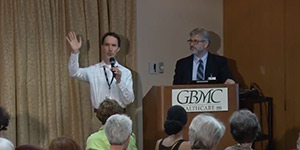
<iframe class="embed-responsive-item" src="https://www.youtube.com/embed/McaiHDfJbrI" allowfullscreen="allowfullscreen"></iframe> <p class="article-body"> Caring for Your Voice as You Age lecture by Lee Akst, MD: Johns Hopkins Voice Center at GBMC and Daniel Sherwood, MS/CCC-SP, HSE: Speech Pathology. Part of the Spring "Time For Me" lecture series. </p>
<iframe class="embed-responsive-item" src="https://www.youtube.com/embed/bVqJYOJkw_Y" allowfullscreen="allowfullscreen"></iframe> <p class="article-body"> The Sleeved Chef and GBMC's Jana Wolff, RD, LDN prepare Pan-Seared Tuna with Sauteed Red Swiss Chard at the ABC2 News Studio Kitchen. <br> <br> Every month, GBMC holds a Facebook Live cooking demonstration featuring healthy recipes from The Sleeved Chef, Michael Salamon. Michael graduated from the Culinary Institute of America and is passionate about “teaching cooking techniques and recipes to pre- and post-operative bariatric patients.” He had a type of bariatric surgery known as a sleeve gastrectomy in September 2016 and enjoys sharing his knowledge of cooking with fellow weight loss patients. Co-hosting the demonstration with him is Jana Wolff, RD, LDN, Director of Nutrition for GBMC’s Comprehensive Obesity Management Program, where Michael was treated. <br> <br> The recipe is appropriate for bariatric patients, but it’s a great high-protein meal for anyone! Swiss chard is a leafy, nutrient-dense vegetable that contains antioxidants important for eye health, as well as others that act to reduce the body’s inflammatory response. Ginger contains gingerol, which is also known for its antioxidant and anti-inflammatory effects. <br> <br> Ingredients <br> • 4 oz. Ahi tuna <br> • 2-3 ea red Swiss chard <br> • 4 cloves garlic <br> • ½ in. ginger, fresh <br> • 1 tbsp extra virgin olive oil <br> • 1 lime, juiced <br> • Kosher salt* <br> • Black pepper* <br> <br> *Recipe analysis assumes ¼ tsp salt and black pepper <br> <br> <br> Directions <br> 1. Remove tuna from refrigerator 15 minutes before cooking and place it on a clean plate. Season both sides with extra virgin olive oil, kosher salt and black pepper. Remove Swiss chard stems from leaves. <br> 2. Small dice the Swiss chard stems and julienne the leaves. <br> 3. Peel and mince ginger and garlic. <br> 4. Place cast iron pan on high heat; Place another pan on low to medium heat. <br> 5. Add olive oil to the pan on low to medium heat. <br> 6. When oil starts to perfume, add ginger and garlic to the pan. <br> 7. Sauté ginger and garlic for 1-2 minutes and add Swiss chard stems. <br> 8. Sauté Swiss chard stems for 2 minutes; Add Swiss chard leaves to pan. <br> 9. Wilt Swiss chard leaves and season with salt and pepper. <br> 10. When cast iron pan starts to smoke, gently place tuna in pan. <br> 11. Sear tuna for 1 minute per side for rare. <br> 12. Place sautéed red Swiss chard on a plate and place the tuna on top of it; Squeeze fresh lime juice over entire plate. <br> 13. Serve immediately. <br> <br> <br> Nutrition Information <br> Recipe yields 1 serving <br> <br> Calories: 405 <br> Total Fat: 19g <br> Saturated Fat: 0g <br> Cholesterol: 58mg <br> Sodium: 663mg Protein: 26g Carbohydrate: 17g </p>
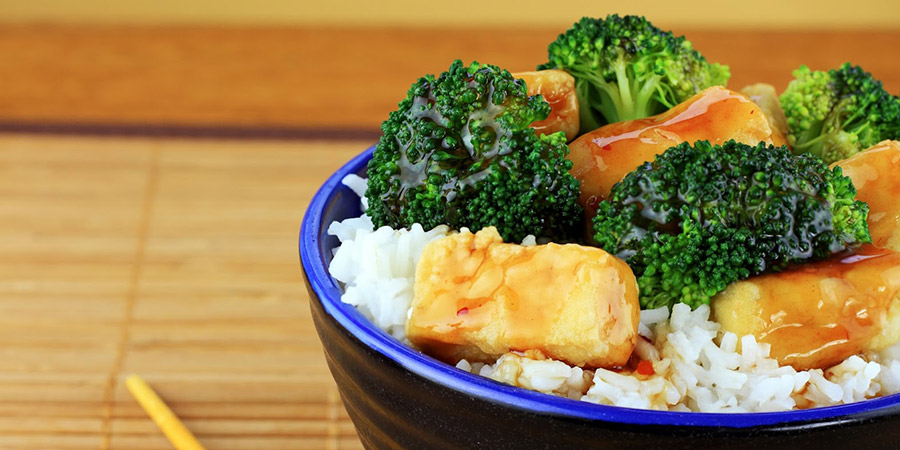
<p class="article-body"> <b>Ingredients</b> <br> <br> 1 pkg (16 oz) firm tofu, drained <br> 2 tbsp light soy sauce <br> 1 tsp sesame oil (optional) <br> ½ tbsp brown sugar <br> 1 tbsp fresh ginger root, finely chopped or shredded (or 1 tsp ground) <br> 1 lb fresh broccoli, rinsed and cut into individual spears <br> 1 tbsp peanut oil or vegetable oil <br> ¼ tsp crushed red pepper <br> 4 tbsp garlic, peeled and thinly sliced (about 8 cloves) <br> 1 tbsp sesame seeds (optional) <br> cooking spray <br> <br> <b>Directions</b> <br> <b> <br> </b>1. Slice tofu into eight pieces. Place on a plate or flat surface covered with three paper towels. Top that with four more paper towels. Top with another flat plate or cutting board and press down evenly and gently to squeeze out the moisture. Throw away paper towels. Replace with fresh paper towels and press again. (The more liquid you remove, the more sauce the tofu will absorb). <br> <br> 2. Place tofu in a bowl just big enough to hold all eight pieces laying on their widest side without overlapping. <br> <br> 3. In a small bowl, combine the soy sauce, sesame oil, brown sugar, and ginger into a marinade, and stir thoroughly. Pour over tofu. Carefully turn the tofu several times to coat well. Set aside. <br> <br> 4. Heat a large nonstick saute pan coated with cooking spray. Add broccoli and saute for about 5 minutes, until it turns bright green and becomes tender and crispy. Remove broccoli from pan and set aside. <br> <br> 5. Heat a grill pan or flat saute pan over high heat. Drain tofu, reserving marinade. Place on grill pan to heat for about 3 minutes. Gently turn. Heat the second side for 3 minutes. <br> <br> 6. At the same time, in the saute pan over medium-low heat, warm the peanut oil, crushed red pepper, and garlic until the garlic softens and begins to turn brown, about 30 seconds to 1 minute. Add broccoli and reserved marinade, and gently mix until well-coated. <br> <br> 7. Place two slices of tofu on each plate with one-quarter of the broccoli and marinade mixture. Sprinkle with sesame seeds (optional). <br> <br> <b>Nutrition Information</b> <br> <b> <br> </b>Serving size: 4 servings, 2 slices of tofu with broccoli and marinade mixture <br> Calories: 183 <br> Total Fat: 11 g <br> Saturated Fat: 2 g <br> Sodium: 341 mg <br> Protein: 14 g <br> Carbohydrates: 13 g <br> <br> <span style="font-size: xx-small;">Recipe from <a href="https://healthyeating.nhlbi.nih.gov/pdfs/Dinners_Cookbook_508-compliant.pdf" target="_blank">Keep the Beat Recipes: Deliciously Health Dinners</a>. Provided by the National Heart, Lung and Blood Institutde</span> </p> <div class="end-of-story"> </div>
<iframe class="embed-responsive-item" src="https://www.youtube.com/embed/vjDSRCYLn_c" allowfullscreen="allowfullscreen"></iframe> <p class="article-body"> Dr. Kevin Ferentz discusses depression, anxiety and other mental health illnesses with Ashley James of ABC2 Baltimore. </p>