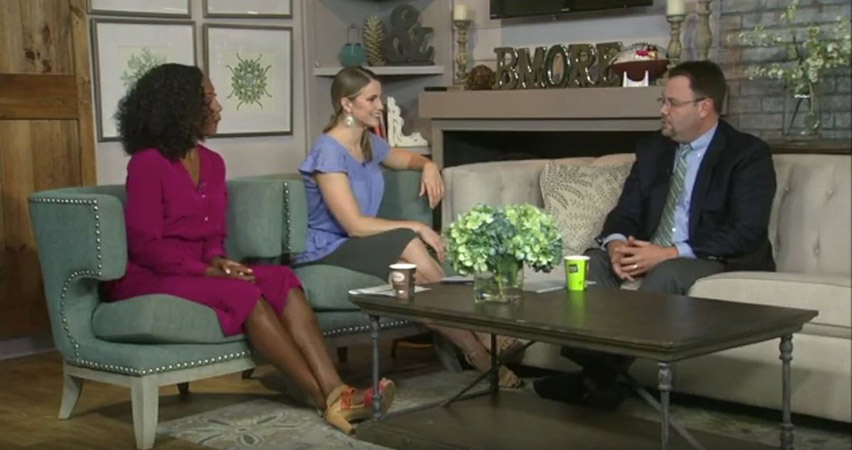
<iframe class="embed-responsive-item" src="https://www.youtube.com/embed/8voWjV70CrY" allowfullscreen="allowfullscreen"></iframe> <p class="article-body"> If you’re a runner, you know that running can be a great way to burn calories, build endurance, and reduce stress. But did you know that running every day might not be the best idea? Dr. Todd Melegari, orthopaedic surgeon with GBMC Health Partners Orthopaedics, talked with Bmore Lifestyle hosts, Chardelle Moore and Christina Denny, about steps all runners should take to make sure they’re lowering their risk of running injuries. <br> <br> Asked if you can run too much, Dr. Melegari had some advice that might surprise many runners. “Running causes microtraumas to the muscles, so rest days are extremely important,” he explained. “A day off from running gives your muscles the chance to heal and grow stronger. If you skip those rest days, those microtraumas can add up and cause painful overuse injuries.” <br> <br> Dr. Melegari added that a rest day doesn’t mean you have to lounge around all day and do nothing. You should simply switch up your exercise routine with cross training, whether that means hitting the pool, riding your bike, or weight training. <br> <br> He also discussed whether it’s better to stretch before or after your run, why you should do both dynamic stretches and static ones, and how to tell the difference between “good” pain after a run and pain that means you may have injured yourself. “If the pain lasts for more than a day or so and you can’t manage it with rest, ice, and over-the-counter pain relievers, it’s time to see an orthopaedist for an assessment,” he said. <br> <br> If you’re thinking about running in a marathon or half marathon, Dr. Melegari shared this advice. “The key to preventing overuse injuries and other types of injuries is to have a training plan that helps you build up to running longer distances safely,” he said. “You need to include cross training and don’t try to go all out on your first run.” <br> <br> Answering a question about running on a treadmill, Dr. Melegari explained that it’s much tougher on your body than running on a track, especially if you’re putting the treadmill on a steep incline setting. “It’s a very high impact way to run. You’re putting pressure equivalent to three times your body weight on your knees,” he noted. For a 120 pound women, that would be 360 pounds of pressure. For a 200 pound man, that’s 600 pounds of pressure. Dr. Melegari’s other advice to runners included the importance of hydration, especially in a humid town like Baltimore, whether compression sleeves can help boost your run, and why young athletes shouldn’t be pushed to run during their off season. </p>
<iframe class="embed-responsive-item" src="https://www.youtube.com/embed/cleUi-OA9c8?ecver=1" allowfullscreen="allowfullscreen"></iframe> <p class="article-body"> What do an ankle injury, inner ear problems, and Parkinson’s disease have in common? People with these three conditions can all benefit from physical therapy. GBMC’s Michael Wah, Director of Physical Therapy, Jessica Abraskin, a Doctor of Physical Therapy and brain injury specialist, and speech language pathologist Jessica Silinonte, who works at the Johns Hopkins Voice Center at GBMC, talked with Mary Beth Marsden and Don Scott about how physical and speech language therapy can help people of all ages get back to do the things they enjoy. <br> <br> One of the most common conditions physical therapists treat are ankle sprains. And while a sprain might not sound serious, it can be. Explained Michael, “There are three grades of sprains. A grade 3 sprain means that the ligament has been pulled away from the bone and may have even pulled off bone fragments.” Treatment for sprains doesn’t usually involve surgery and if you have a sprain, you can skip your primary care physician’s office and go right to a physical therapist for diagnosis and treatment. “You can start physical therapy within days of a sprain,” added Michael. “It gets the circulation going and speeds up healing.” <br> <br> Jessica Abraskin noted that while physical therapy can be tough work, you feel better when you’re done and you’re taking an important step to lower your risk of getting another sprain. “In 73% of people with ankle sprains, they will have another sprain if they don’t take part in balance training,” she said. <br> <br> Jessica also discussed the benefits of vestibular rehabilitation for people living with inner ear problems. Some of the common causes of vestibular system problems include infections and head injuries. “The vestibular system is responsible for our balance and how we relate to the space around us. It’s also a component of vision. When there are problems in this system, you can feel dizzy and have trouble with your balance, which increase your risk of falling,” she explained. <br> <br> Rehabilitation can also make a significant difference in the lives of people living with Parkinson’s disease. The disease can cause tremors, balance changes, muscle rigidity, a very slow gait, and reduced volume when talking. “It’s not that people with Parkinson’s can’t talk loudly, it’s that they perceive they are talking loud enough to be understood when they’re not,” said Jessica Silinonte. “We retrain them to use their voices in a healthy way so that they can easily be understood. We also work with people who develop problems with eating and swallowing.” The other key piece of rehabilitation therapy for people with Parkinson’s focuses on movement. As with the voice, it’s not that they can’t move at a normal pace, it’s that they perceive that they’re moving more quickly than they are. “You can change your brain and build new connections between neurons by practicing these movements over and over,” Michael added. “People look completely different coming out of therapy than they did when they started. The sooner you start therapy, the better result you’ll get and the more you’ll be able to stay connected to your family, friends, and life.” </p>
<iframe class="embed-responsive-item" src="https://www.youtube.com/embed/qI5lzCP-Wcc?ecver=1" allowfullscreen="allowfullscreen"></iframe> <p class="article-body"> Ankle injuries are the reason for more than 1 million doctor visits in the U.S. each year. From sprains and fractures to joint damage caused by arthritis, ankle problems can make it difficult to walk, exercise, and do the things you enjoy. Dr. Steven Kulik, Jr., an orthopaedic surgeon at GBMC Health Partners Orthopaedics, talked about how to lower your risk of ankle injuries, whether that popping sound you hear when you walk sometimes is cause for concern, and ankle treatments that can help get you back on your feet. <br> <br> “Anyone can injure an ankle. The most frequent cause of these injuries is uneven ground, whether you’re a runner or a soccer mom walking across the field. Fortunately, 97% of ankle injuries can be treated without surgery,” said Dr. Kulik. His recommendation to prevent ankle injuries? “If you run, look for a route where the ground is even,” he said. “Running on a track can be easier on your ankle and other joints than running on the road or sidewalk.” <br> <br> Dr. Kulik shared the signs that could mean your injury is more serious than a sprain, why it takes so long for a sprain to heal, and his take on the barefoot running trend. He also discussed total ankle replacement surgery, a procedure he has been performing for nearly 20 years at GBMC. “The success rate for this surgery is very high, while the risks are fairly low,” he explained. “But the recovery is a bit longer than for other types of joint replacement because the ankle is unique in the amount of weight it bears.” If you’re experiencing ongoing ankle pain after an injury or have chronic pain in your ankle, he recommends making an appointment with an orthopaedist. “At our practice, it’s easy to be seen,” he added. “We’ve added extended evening hours and walk-in appointments to make getting an appointment more convenient for our patients.” </p>
<iframe class="embed-responsive-item" src="https://www.youtube.com/embed/Gy5UJ-VRdqk" allowfullscreen="allowfullscreen"></iframe> <p class="article-body"> <strong>Could you need thyroid surgery?</strong> <br> <br> About 20 million people in the U.S. have been diagnosed with a thyroid disorder. For some of those people, surgery will be part of their treatment plan. Dr. Joel Turner, an endocrine surgery specialist, Vice Chair of GBMC’s Department of Surgery, and Chief of Minimally Invasive Surgery, discussed when surgery may be considered, what recovery from surgery is like, and what causes thyroid disorders. <br> <br> “Your thyroid is your thermostat,” he explained. “When it’s working too hard, which is known as hyperthyroidism, your heart can race, you can get overheated easily, you may have a tremor, or a big appetite but still lose weight. When it’s working too slowly, called hypothyroidism, you may gain weight even though you’re not eating much, be more sensitive to cold and get fatigued easily, or have a slower than normal heart rate.” <br> <br> The evaluation of most thyroid symptoms begins with your primary care doctor and a simple blood test. If the blood test results are abnormal, your doctor will refer you to an endocrinologist for a more in-depth evaluation. The good news is that most people have normal thyroid function, even some people with thyroid nodules, and that for many people with thyroid disorders, symptoms can be managed with medication. <br> <br> Dr. Turner explained there are two types of thyroid surgery, one that removes just half the thyroid and one that removes the whole gland. Which type of surgery is needed depends on the disorder. Recovery after surgery is fairly quick, and most people are feeling much better and back to their normal activities in a week or so. <br> <br> “I tell my patients ‘Let your discomfort be your guide.’ If you’re feeling good a few days after surgery, you can go for run. Just listen to your body’s signals,” Dr. Turner says. “Most people go home with no restrictions on their activities or what they can eat and are driving in a week or less and back to work.” Dr. Turner also mentioned that the American Thyroid Association’s <a href="https://www.thyroid.org/patient-thyroid-information/" target="_blank">website</a> is a good resource if you have questions about thyroid health. </p>
<iframe class="embed-responsive-item" src="https://www.youtube.com/embed/gGWaMbmkax8?ecver=1" allowfullscreen="allowfullscreen"></iframe> <p class="article-body"> <strong>Are your eyes summer-proof?</strong> <br> <br> You’re careful to slather on the sunscreen before heading outside, but do you always grab your sunglasses? Dr. Tanvi Shah, GBMC ophthalmologist, told Good Morning Maryland host Ashley James why sunglasses are about more than looking cool when the sun’s blazing overhead. <br> <br> “Sunglasses are essentially sunscreen for your eyes,” said Dr. Shah. “They protect your eyes from the sun’s UVA and UVB radiation. Look for glasses that say UV 400 or 100% UV protection when choosing sunglasses. If you’re bothered by glare, in addition to UV protection look for polarized lenses. But polarization alone doesn’t block UV rays, so make sure you’ve got that UV protection!” <br> <br> Dr. Shah also discussed how often you need to replace your sunglasses, whether expensive sunglasses are better than cheap ones, and how protecting your eyes from UV rays may slow the development of cataracts. And just as sunscreen is an important part of protecting your kids’ skin from those UV rays, your little ones should also be wearing sunglasses, especially since they’re outside and in the sun more than adults. <br> <br> Asked whether most eye diseases run in families, Dr. Shah explained, “Some run in families, some happen with age, and some happen ‘just because,’ so getting a regular eye exam is important.” That’s because many common eye diseases, including glaucoma and the early stages of cataracts and macular degeneration, don’t usually cause symptoms and are often detected during a routine eye exam. She also explained why cataracts are a lot like gray hair and wrinkles, what treatments are available for dry eye syndrome, and why some of her patients can’t wear false eyelashes. “The best advice I can give is to get that regular eye exam. If you don’t have vision problems or a family history of eye disease, an optometrist may be all you need. If you do have problems or a higher risk of eye disease, an ophthalmologist is a good choice.” </p>
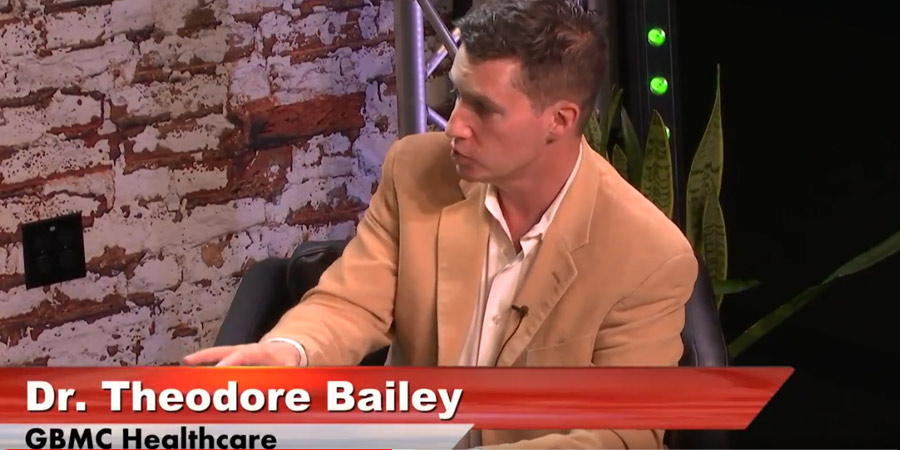
<iframe class="embed-responsive-item" src="https://www.youtube.com/embed/023Tqrj-iyM" allowfullscreen="allowfullscreen"></iframe> <p class="article-body"> Whether you’re working in the garden, hiking in the woods, or sitting in the grass at the soccer field, you could be at risk for being bitten by the ticks that carry Lyme disease. Dr. Theodore Bailey, an infectious disease physician at GBMC, talked with Diane Lyn from Today’s 101.9 about how to lower your risk of contracting this bacterial illness, what symptoms to watch for, and why Lyme disease can be difficult to diagnose. <br> <br> “Maryland is one of the top seven states for Lyme disease cases in the U.S.,” said Dr. Bailey. “It’s a parasitic bacterial disease that’s spread by deer ticks, also known as black-legged ticks. Most of the symptoms of this disease aren’t unique to Lyme disease, such as fatigue, joint pain, fevers, chills, muscle aches, and foggy thinking. One symptom that is more unique is a bullseye-shaped rash at the site of the bite, but not everyone gets this or it’s often in a place you can’t see, like on your back or under your hair.” <br> <br> Dr. Bailey explained that many patients don’t experience any symptoms right away but can have aching joints and other symptoms months or even years after the tick bite that caused the infection. He added that if you suspect you may have been bitten by a deer tick, talk to your doctor about getting tested for Lyme disease because, in addition to the better known symptoms like joint pain and fatigue, the disease can also cause heart rhythm problems, encephalitis and meningitis, and Bell’s palsy, a condition that causes half of the face to droop. <br> <br> He also shared how to correctly remove a tick and why you should bring the tick with you to your doctor’s appointment. In addition, he explained that it’s essential to check yourself and your family after outdoors activities since removing ticks before they’ve been attached for 24 hours prevents transmission of the bacteria and Lyme disease. “When you have symptoms that suggest Lyme disease, it’s important to remember that several other conditions, like rheumatoid arthritis and other autoimmune diseases, can also cause similar symptoms, so you should get a thorough work up to rule out other causes for your symptoms,” Dr. Bailey added. </p>
<iframe class="embed-responsive-item" src="https://www.youtube.com/embed/_n6vX__Ltfg" allowfullscreen="allowfullscreen"></iframe> <p class="article-body"> It’s a small, butterfly-shaped gland at the base of your neck, but don’t let its small size fool you. The thyroid plays an important role in your health. Dr. Ruth Horowitz, Chief, GBMC’s Division of Endocrinology and Metabolism, talked with Mary Beth Marsden and Don Scott, about the top causes of thyroid disease and how an over- or underactive thyroid can affect everything from your heart rate to body temperature. <br> <br> “The thyroid is like your body’s thermostat,” explained Dr. Horowitz. “If it’s underactive, which is called hypothyroidism and is the most common type of thyroid condition, you can feel tired, cold, have problems with your weight and have dry skin, hair loss, and constipation. If it’s overactive, known as hyperthyroidism, you can experience a fast heart rate, feel very energetic, be hot or sweaty, and have diarrhea. Unfortunately, these symptoms are fairly subtle and can be caused by a lot of health issues, so if you suspect you may have a thyroid issue, your primary care doctor can do a blood test to check your thyroid function.” <br> <br> Dr. Horowitz said that most thyroid problems are caused by autoimmune diseases that interfere with the thyroid’s ability to function and can be treated with medication. Surgery is an option if the gland becomes very large and presses on the nerves, blood vessels, or trachea. She also talked about thyroid cancer. “In 90% of cases, nodules in the thyroid are benign,” she said. “In the other 10% of cases that are caused by cancer, there’s a very low mortality rate and most cancers are successfully treated with surgery.” <br> <br> And while there are plenty of supplements and diets on the market that claim to help your thyroid work better, Dr. Horowitz said, “There is nothing you can consume to fix your thyroid. In fact, iodine supplements, including kelp supplements, can be dangerous and can make your thyroid condition worse.” <br> <br> She answered questions about why endocrinologists recommend brand name rather than generic thyroid medications, why it’s important to take your medication on an empty stomach and at a different time than any other medications you take, and what can increase your risk of an underactive thyroid. <br> <br> Mary Beth and Don were also joined by patient Donyel Cerceo, who shared the story of her diagnosis with thyroid cancer, her surgery, and her quick recovery. Said Donyel, “I had no symptoms, but I was seeing Dr. Horowitz because I have type 1 diabetes and she discovered a small nodule. I’m thankful that, with Dr. Horowitz and my surgeon Dr. Joel Turner, I have the best team on my side.” <br> <br> <strong>0:00 to 47:45</strong> — Ruth Horowitz, MD, Chief, Division of Endocrinology and Metabolism at GBMC and partner with Bay West Endocrinology Associates discuss management of a thyroid disorder. <strong>47:46 to 58:49</strong> — Hear from a patient about the importance of regular thyroid check-ups. </p>
<iframe class="embed-responsive-item" src="https://www.youtube.com/embed/kX2_9lkDDc8?ecver=1" allowfullscreen="allowfullscreen"></iframe> <p class="article-body"> Every month, GBMC holds a Facebook Live cooking demonstration featuring healthy recipes from The Sleeved Chef, Michael Salamon. Michael graduated from the Culinary Institute of America and is passionate about “teaching cooking techniques and recipes to pre- and post-operative bariatric patients.” He had a type of bariatric surgery known as a sleeve gastrectomy in September 2016 and enjoys sharing his knowledge of cooking with fellow weight loss patients. Co-hosting the demonstration with him is Jana Wolff, RD, LDN, Director of Nutrition for GBMC’s Comprehensive Obesity Management Program, where Michael was treated. <br> <br> <strong>Ingredients</strong> <br> 3 (4 oz.) chicken breasts <br> ¼ cup extra virgin olive oil <br> 1 tsp lemon zest <br> 2 cloves garlic, minced <br> 1 romaine lettuce heart, julienned <br> Grated Parmesan cheese, to taste <br> Salt and pepper, to taste <br> Wraps <br> <br> For the Caesar Dressing: <br> 1 cup low-fat sour cream <br> 2 tbsp grated Parmesan cheese <br> 1 tbsp lemon juice, freshly squeezed <br> 1 tbsp Dijon mustard <br> 2 tsp Worcestershire sauce <br> 1 clove garlic, minced <br> Salt and pepper, to taste <br> <br> <strong>Directions</strong> </p> <ol> <li> Remove any excess fat from chicken breast and place chicken into a freezer bag. </li> <li> Whisk together the oil, lemon zest, lemon juice, and garlic in a bowl and pour over chicken. </li> <li> Marinate for 4 - 24 hours in the refrigerator. </li> <li> Remove chicken from marinade and pat dry. Season with salt and pepper on both sides. </li> <li> Sauté chicken on medium-high heat until fully cooked, about 12 minutes. </li> <li> Allow chicken to cool and slice thinly; set aside. </li> <li> Make the dressing by combining sour cream, parmesan, lemon juice, Dijon mustard, Worcestershire sauce, and minced garlic in a stainless-steel bowl. Season with salt and pepper to taste. </li> <li> Julienne the romaine lettuce. </li> <li> Toss Caesar dressing, parmesan cheese, and thinly sliced chicken together. Place one serving in the middle of the wrap, roll it up, and cut in half on a bias. </li> </ol> <br> <strong>Nutrition</strong> <br> Recipe yields 3 servings <br> Calories: 304 <br> Fat: 18g <br> Saturated Fat: 5.1g <br> Cholesterol: 110mg <br> Sodium: 257.1mg Protein: 29.8g Carbohydrate: 9g
<iframe class="embed-responsive-item" src="https://www.youtube.com/embed/U_h55p0Afpc" allowfullscreen="allowfullscreen"></iframe> <p class="article-body"> <strong>Can’t breathe through your nose? An ENT can help!</strong> <br> <br> If it seems like you’re stuffy all the time, you’re not alone. Allergies, chronic sinusitis, deviated septum, and nasal growths can stop your nose from working like it should. Dr. Douglas Reh, a fellowship trained ENT (ear, nose, and throat) specialist with ENT Associates at GBMC, talked with Mix 106.5’s Reagan Warfield (who turns out to be Dr. Reh’s cousin) about the many different conditions that can lead to problems with your nose and what you can do to breathe easier. <br> <br> One of the most common causes of ongoing congestion and trouble breathing through the nose is chronic sinusitis. Unlike a sinus infection, this condition is caused by chronic inflammation of the delicate tissues in the nose. While not being able to breathe through your nose may only seem annoying, people with this condition should see an ENT because, left untreated, it can lead to the development of polyps in your nasal passages, loss of your sense of taste and/or smell, and the development of asthma. <br> <br> “Treatment of chronic sinusitis starts with medications to decrease inflammation,” explained Dr. Reh. “For more than 80% of patients, simple medication gets symptoms under better control.” There are also surgical options, which are minimally invasive and don’t have any incisions. These are outpatient procedures, which is very different than it was 20 to 30 years ago. You can go back to work in three to four days. “You don’t have any uncomfortable packing in your nose or bruises after the procedure.” <br> <br> The other big issue that Dr. Reh treats in his practice is allergies. “If you live in Maryland long enough, you’ll have allergies,” he said with a laugh. He shared his advice on which over-the-counter medicines to try and says sinus rinses, like Neti pots, can be a big help for allergy sufferers. <br> <br> Reagan and Dr. Reh also talked about new treatments that are being developed for patients who have lost their sense of smell, including olfactory retraining, a kind of physical therapy for your nose, and why acid reflux may be an underlying cause of your post-nasal drip. “If you have ongoing problems with your nose, ears, or throat and your primary care physician hasn’t been able to help you get them under control, an ENT can help you get the right diagnosis and treatment,” Dr. Reh added. </p>
<iframe class="embed-responsive-item" src="https://www.youtube.com/embed/7KF4cpD7HIE" allowfullscreen="allowfullscreen"></iframe> <p class="article-body"> <strong>When is a nurse like a football player?</strong> <br> <br> You might not think that a nurse and a Super Bowl winning kicker have much in common, but Dr. JoAnn Ioannou, GBMC’s Senior Vice President of Patient Care and Chief Nursing Officer, and former Ravens kicker Matt Stover, GBMC’s nursing ambassador, would disagree. Dr. Ioannou, Matt, and WMAR2 News reporter Christian Schaffer talked about the important role that the hospital’s 1,400 nurses play, the many different career paths that nurses can follow, and why nursing really is an art. <br> <br> “Nurses are the healthcare providers who spend the most time with patients,” Dr. Ioannou explained. “They have the most influence on how we deliver care and our patients’ outcomes. They are advocates for our patients and guide them through their experience in the hospital. Our nurses are an essential part of the care team and make important contributions every day.” <br> <br> With an ongoing national nursing shortage that’s projected to leave Maryland 12,000 nurses short by 2025, there’s stiff competition among hospitals for nursing staff. That’s why GBMC goes the extra mile to attract nurses. “At GBMC we foster new nursing graduates and experienced nurses and help them grow and advance their career,” she added. “We provide a nursing residency that includes classes and training to help our nurses build their skills and deliver the best care. There are so many diverse paths nurses can follow—nurse researchers, case managers, nurse educators, nurse leaders. We’re committed to investing in the individual and provide the personal attention you don’t find at larger hospitals. It’s a great working environment—a real team.” How do you know if you have what it takes to be a nurse? Dr. Ioannou says that nursing is a blend of knowledge, science, and caring. A great nurse is compassionate, empathetic, willing to ask questions, interested in the science of healthcare, and committed to helping patients prevent illnesses through healthy lifestyle choices. If you’d like to know more about nursing careers at GBMC, visit <a href="/node/2251" target="_blank">https://www.gbmc.org/nursingcareers</a> and watch this <a href="/node/4242" target="_blank">Art of Nursing TV special</a>. </p>
<iframe class="embed-responsive-item" src="https://www.youtube.com/embed/7MeD7CA3AWI" allowfullscreen="allowfullscreen"></iframe> <p class="article-body"> Are you worried that you haven't been sleeping well? According to the Centers for Disease Control and Prevention, 1 in 3 adults in the United States doesn't get enough sleep. This can come from sleeping poorly. In this live interview, Dr. Raya Wehbeh, Director of the Sleep Center at GBMC, answers your questions about sleep disorders with April Watts from Magic 95.9. <br> <br> The most common symptoms of sleep disorders are sleepiness during the day, morning headaches, the inability to fall asleep or to maintain sleep, and snoring. Frequently waking up to go to the bathroom can also be a sign of a sleep disorder. If you are concerned about your sleep, the first step is to talk to your primary care provider (PCP). He or she will talk to you about the medications you are taking and get a detailed history of your sleep habits and patterns. The issue may be resolved with some simple lifestyle changes such as reducing screen time before bed. However, if the issue is more complicated, your PCP can refer you to a sleep specialist. <br> <br> The specialist will discuss your symptoms and perform a comprehensive physical exam. After this, it's likely that he or she will order a sleep study so that your symptoms can be observed. These involve spending the night at GBMC’s <a href="/node/2555" target="_blank">Sleep Center</a>, where special equipment is used to track breathing patterns, eye movements, muscle activity, brain waves, and more. <br> <br> One of the most prevalent sleep disorders is sleep apnea. Sleep apnea happens when a person's airway is blocked during sleep, causing them to partially or fully stop breathing for short periods of time. It is often accompanied by gasping and loud snoring, and it prevents the person from entering deep sleep. <br> <br> People who are over the age of 40 and overweight are at the highest risk for developing apnea; however, it can affect people of any age or body type. When weight is not a factor, the anatomy of the throat and face is often the cause. According to Dr. Wehbeh, if the top of the mouth and the base of the tongue are close to each other, they can close when the mouth relaxes during sleep, causing an obstruction of the airway. <br> <br> Sleep apnea can have very serious side effects including increased risk for high blood pressure, worsening diabetes, and potentially even heart attack or stroke. Fortunately, it is an easily treatable condition. A continuous positive airway pressure machine (CPAP) is one of the best ways to alleviate the symptoms of apnea. It works by pushing the air that you naturally breathe through the nose and into your airways. This allows you to continue breathing even if your throat becomes obstructed. <br> <br> CPAP machines have a reputation for being loud and cumbersome, but with improved technology, this is no longer the case. Most masks no longer cover the entire face and the volume has been reduced to white noise. Other sleep disorders include insomnia, narcolepsy, sleepwalking, and shifted sleep cycles. If you think you have a sleep disorder or may be at risk, you can take a free risk assessment <a href="/node/2556" target="_blank">here</a>. "Don't ignore your sleep problems," said Dr. Wehbeh, "they significantly impact your quality of life and we can help." </p>
<iframe class="embed-responsive-item" src="https://www.youtube.com/embed/IaQJH-6XHDU" allowfullscreen="allowfullscreen"></iframe> <p class="article-body"> The Neonatal Intensive Care Unit (NICU) is a special place where highly-trained doctors, nurses, and other healthcare professionals give the smallest and sickest babies around-the-clock care. GBMC's NICU treats more than 400 babies every year. To make the care even more centered on the needs of patients and their families, GBMC is raising funds to support the opening of a new NICU! In this interview with Ashley James from ABC2-News, NICU Clinical Manager, Kristin Trawinski, MSN, RN, explained details about the renovation project and how to get involved in the upcoming <a href="http://gbmc.healthcare/5k/" target="_blank">Father's Day 5K and 1-Mile Fun Walk</a> on June 17, 2018. <br> <br> All of the proceeds from this year's event will go directly towards the renovation, which will be in a larger space that provides individual rooms for each family. The rooms are designed to minimize outside noise and they can adjust lighting to fit each baby's specific needs. Every room will also have a Kangaroo chair — a chair designed to help with skin-to-skin bonding and breastfeeding. There are sleeping rooms in the NICU for parents who want to stay with their child and while they are being treated, they are encouraged to take part in their baby's care. <br> <br> Families go through a roller coaster of emotions when their baby is admitted to the NICU. GBMC’s incredibly dedicated nurses provide evidence-based care to the infants, while comforting and educating their parents. They often form bonds that extend long after the baby's discharge from the hospital. This renovation is possible because of the generous donors in the community. The Father's Day 5K is one of the biggest fundraisers for the NICU. The event takes place on GBMC’s beautiful Towson campus and the entire family is encouraged to participate. <a href="http://gbmc.healthcare/5k/" target="_blank">Click here to register and start fundraising!</a> </p>
<iframe class="embed-responsive-item" src="https://www.youtube.com/embed/yhcpz_FgCzc" allowfullscreen="allowfullscreen"></iframe> <p class="article-body"> Every month, GBMC holds a Facebook Live cooking demonstration featuring healthy recipes from The Sleeved Chef, Michael Salamon. Michael graduated from the Culinary Institute of America and is passionate about “teaching cooking techniques and recipes to pre- and post-operative bariatric patients.” He had a type of bariatric surgery known as a sleeve gastrectomy in September 2016 and enjoys sharing his knowledge of cooking with fellow weight loss patients. Co-hosting the demonstration with him is Jana Wolff, RD, LDN, Director of Nutrition for GBMC’s Comprehensive Obesity Management Program, where Michael was treated. <br> <br> <strong>Ingredients </strong> <br> <br> For the Salad: <br> 4 oz. grilled salmon <br> 2 oz. baby arugula <br> 2 oz. baby spinach <br> 2 oz. fresh pineapple <br> <br> For the Vinaigrette: <br> 3 oz. extra virgin olive oil <br> 1 oz. coconut aminos <br> 1 oz. sriracha <br> 1 oz. rice wine vinegar <br> Juice of 2 limes <br> Salt and pepper to taste <br> <br> <strong>Directions</strong> </p> <ol> <li> Add a small amount of extra virgin olive oil and salt/pepper to the raw salmon. Set aside. </li> <li> Dice the fresh pineapple and set aside. </li> <li> Make the vinaigrette by combining the coconut aminos and rice wine vinegar into a bowl. Slowly drizzle in the extra virgin olive oil in and whisk into an emulsion. Add sriracha and juice of 2 limes; stir well and set aside. </li> <li> Place the salmon into a hot pan and cook for several minutes on each side. </li> <li> Add arugula and spinach to the vinaigrette and toss well. </li> <li> Place the dressed salad onto a plate, add pineapple pieces and top with seared salmon. </li> </ol> <strong>Nutrition</strong> <br> <br> Recipe yields 1 serving <br> Calories: 276 <br> Fat: 15.6g <br> Saturated Fat: 2.6g <br> Cholesterol: 45mg <br> Sodium: 519.5mg Protein: 23.6g Carbohydrate: 14.7g
<iframe class="embed-responsive-item" src="https://www.youtube.com/embed/NG6-cv8MvBw" allowfullscreen="allowfullscreen"></iframe> <p class="article-body"> <strong>Are you taking care of your voice?</strong> <br> <br> What do teachers, bartenders, attorneys, singers, and salespeople have in common? Because of the vocal demands of their jobs, they’re all at increased risk of developing a voice disorder. Dr. Lee Akst, Director of the <a href="/node/2596" target="_blank">Johns Hopkins Voice Center at GBMC</a> and Marisa Sanders, Senior Speech Sathologist at the Center, shared what people can do to protect their voices, what types of conditions can affect your vocal cords, and how an otolaryngologist or speech pathologist can help your voice get back to normal. <br> <br> “The key is to protect your voice,” explained Dr. Akst. “Drink enough water to stay hydrated and lubricate the vocal cords. Limit caffeine, which is dehydrating. Try not to yell and pay attention to how your voice feels and sounds. If you’re having trouble with your voice, don’t try to push past it. That’s how you can turn a short term problem into a longer term one.” Adds Marisa, “If you’re a teacher, for example, use amplification in the class room so you decrease the stress on your vocal cords and rest your voice whenever you can.” <br> <br> Dr. Akst also outlined the types of problems that can affect your vocal cords—from nodules and polyps to vocal cord paralysis and cancer—and how he and the team of specialists at the Voice Center diagnose voice disorders. He stressed that most voice disorders are not only treatable, many are preventable. “If a problem with your voice is disrupting your quality of life, see an otolaryngologist,” he said. “You know your voice best. If you feel like it isn’t working as it should, there’s no reason you should suffer.” </p>
<iframe class="embed-responsive-item" src="https://www.youtube.com/embed/odWIQwONkns" allowfullscreen="allowfullscreen"></iframe> <p class="article-body"> <strong>Empowering cancer survivors</strong> <br> <br> Dr. Robert Donegan, medical oncologist at GBMC’s Sandra & Malcolm Berman Cancer Institute, has been working with cancer patients for 21 years. He recently shared his perspective on his patient’s lives as cancer survivors — the physical and emotional side effects of being diagnosed with cancer and undergoing treatment, what they can do to improve their health during and after treatment, and proactive ways they can feel empowered on their path of survivorship. <br> <br> Because of advances in cancer detection and treatment, there are about 15 million survivors in the U.S. today. That number is projected to grow to 20 million by 2026. “Cancer survivors fall into three phases of survivorship,” explained Dr. Donegan. “The acute phase is when the cancer is newly discovered and you find yourself part of a group you never wanted to belong to. Then you move into active treatment, and finally aftercare. Cancer survivors live with a lot of different ‘side effects’ — from fear of recurrence to physical symptoms from the cancer itself or as a result of treatment. But so many people are living longer and better after a cancer diagnosis and there are a wide variety of resources to support them, physically and emotionally.” <br> <br> Dr. Donegan also talked about the importance of making sure the caregivers of cancer survivors are taking care of themselves and making connections with other people in the same situation. “You feel like you’re alone on an island. Your friends don’t understand. But there are great resources for caregivers, including Hopewell Cancer Support in Baltimore County, which provides support groups and other resources for survivors and caregivers,” he noted. <br> <br> He also discussed the importance of a healthy lifestyle, which can lower the risk of some types of cancer and help you tolerate treatment better. “I can’t emphasize the value and importance of making healthy lifestyle decisions enough,” Dr. Donegan stressed. “We know that regular vigorous exercise lowers the risk of breast cancer recurrence, for example, and that a healthy diet and weight also play a role.” Asked whether holistic medicine has a role to play in cancer survivorship, he added, “Patients have ownership of their cancer experience and there are so many tools that can enhance their life and their ability to cope. It’s important for survivors to feel empowered.” <br> <br> <strong>Watch the entire series:</strong> <br> <br> <a href="/node/3320">Part 1</a> — Dr. Robert Donegan, MD, Medical Oncology <br> <br> <a href="/node/3473">Part 2</a> — Brandon Costantino, Oncology Support Services at GBMC <br> <br> <a href="/node/3474">Part 3</a> — Barbara Pisano Messing, The Milton J. Dance, Jr. Head & Neck Center, Johns Hopkins Head & Neck Surgery located at GBMC, and the Voice Center located at GBMC <a href="/node/3665">Part 4</a> — Beth Nardone, Co-Chair of the Oncology Patient & Family Advisory Council and Cancer Survivor </p>