<iframe class="embed-responsive-item" src="https://www.youtube.com/embed/3HnHWEYDoVg" allowfullscreen="allowfullscreen"></iframe> <p class="article-body"> If you've had a colonoscopy before, you might agree it's not the most comfortable and private of experiences. Now GBMC has set out to change that with the brand new William and Jarnetta Kroh Center for Digestive Disorders. Thanks to the chief of Gastroenterology, Niraj Jani, MD, and Nurse Manager Roel Tibierio, Don gets a sneak peek of the new center. </p>
Jordyn Jersey, CRNP, a nurse practitioner at GBMC Health Partners Medicine for Adults discusses what you need to know about managing high blood pressure and cholesterol.
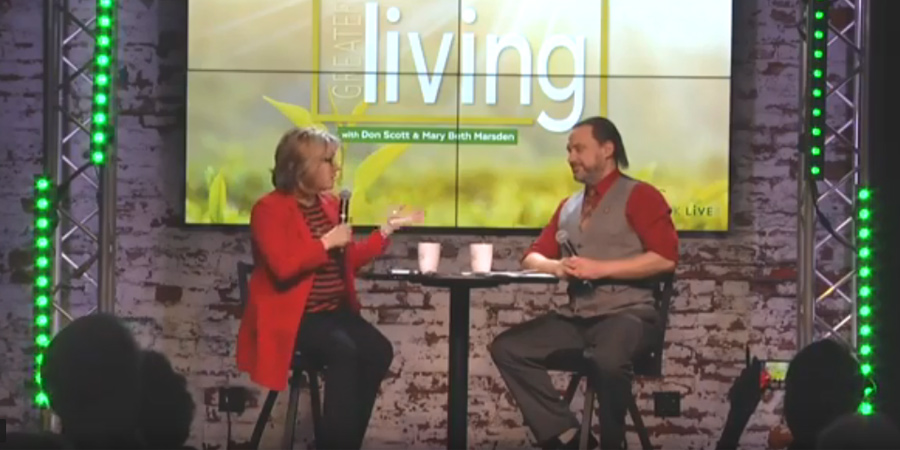
<iframe class="embed-responsive-item" src="https://www.youtube.com/embed/yEJvDuqUpLU" allowfullscreen="allowfullscreen"></iframe> <p class="article-body"> If you or someone you care about is one of the 30 million Americans who have either been diagnosed with type 2 diabetes or is living with undiagnosed type 2 diabetes, you may be overwhelmed with everything required to manage the condition. GBMC Chief of Endocrinology, Dr. Ruth Horowitz understands how you’re feeling. She told Mary Beth Marsden, “Managing diabetes is hard work. It’s like a job. But with aggressive care and lifestyle changes, it is entirely manageable.” <br> <br> Dr. Horowitz and Mary Beth talked about what causes diabetes, the role genetics plays in your risk of developing the disease, and when it may be time for a person living with diabetes to make an appointment with an endocrinologist. “In most cases, your primary care physician can do a good job of overseeing your care, but for people who are taking all the recommended steps and still having trouble controlling their blood glucose levels, the expertise that an endocrinologist has can help them take their treatment above and beyond the basics,” she explained. <br> <br> As anyone who has tried to get their blood sugar under control and consistently at normal levels knows, understanding the plan for the treatment of diabetes and following through can be two very different things. Changing your diet, getting more exercise, losing weight if needed, getting adequate sleep, managing stress, and following your doctor’s recommendation for medications is a complex process and it can be easy to get frustrated and give up. <br> <br> Added Dr. Horowitz, “Many patients are in denial about their diabetes. They don’t want to see the health consequences that will happen if they don’t get the disease under control. That’s why I approach my patients with realism, asking ‘What are you willing to do?’ We start with that, and then as the patient improves, we move up our goals and tactics. What people need to think about is that improving glucose control significantly lowers the risk of kidney, nerve, and eye damage and, unfortunately, poor control accelerates complications.” <br> <br> She also shared her thoughts on effective diets for blood sugar control, the important role exercise plays, and the value of building a far-reaching diabetes management team that includes family, a diabetes educator, a nutritionist, and a trainer. Joe Palmer, a physical therapist at GBMC Health Partners Rehabilitation Medicine, also talked with Mary Beth about how exercise is a key piece of the strategy for controlling diabetes. “All forms of exercise can be beneficial, but people are often hesitant to participate because they haven’t been active for a while and exercise causes pain in their joints or other areas. Our goal is to tailor a program for each person that helps them safely and more comfortably become active. We are mobility experts and work to keep people moving and independent. Exercise can be a very effective medicine for diabetes and many other health problems.” </p>
<iframe class="embed-responsive-item" src="https://www.youtube.com/embed/aRxJwIDj45E" allowfullscreen="allowfullscreen"></iframe> <h2> Is your child diabetic? Here’s how you can help </h2> Not that long ago, the majority of children who were diagnosed with diabetes had type 1 diabetes, an autoimmune disease that prevents the body from producing insulin. But now, the number of children with type 2 diabetes, where the body can produce insulin but develops resistance to it, is growing. In fact, a recent study found 3,700 new cases of type 2 diabetes in children and teens. Dr. Rebecca Denison, a registered dietitian at the Geckle Diabetes & Nutrition Center at GBMC, shared her advice on how parents can help when their children are diagnosed with either type of diabetes. <br> <br> “This can be a scary diagnosis for kids,” she said. “Parents can help them understand it and learn how to manage their condition. If your child has type 1 diabetes, you might tell him or her that there’s something missing that their body needs to work well and their medication gives them that missing ingredient. If they have type 2 diabetes, you can say there’s something in the body that’s not working as well as it could and this medication will help it work better.” <br> <br> Dr. Denison also shared strategies to help children who are afraid of the needles needed for insulin injections and the finger stick needed for blood glucose testing, the potential complications that can develop if diabetes is not well managed, and the signs parents should be aware of that could mean their child has diabetes or prediabetes. For children with type 2 diabetes, she recommended a family approach to lifestyle changes that can help get blood sugar under control. “A healthy lifestyle to manage diabetes is easier when everyone in the family participates. Everybody is eating smaller portions, choosing healthier foods and skipping junk food, getting regular exercise and enough sleep, and managing stress. That way, the child doesn’t feel deprived and learns healthy habits that will last a lifetime.”
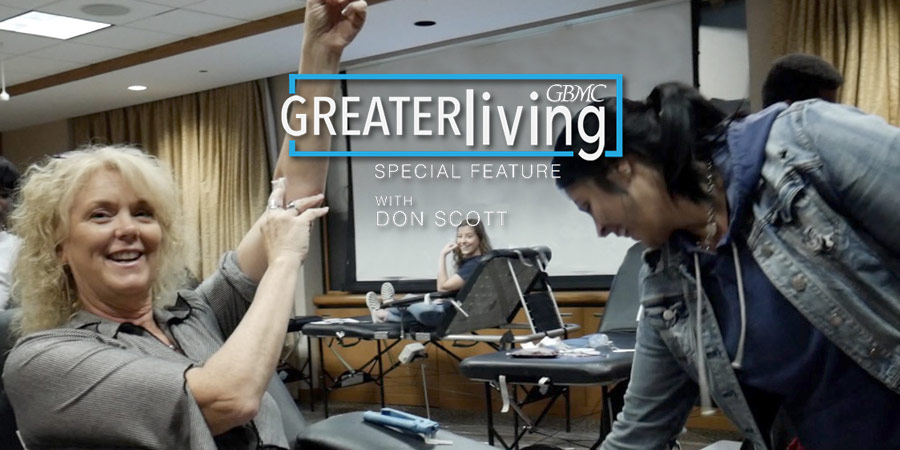
<iframe class="embed-responsive-item" src="https://www.youtube.com/embed/8ZtUBCEx7QU" allowfullscreen="allowfullscreen"></iframe> <p class="article-body"> Each year, GBMC hosts four community blood drives. Bri Rogers, GBMC’s Blood Drive Coordinator, talked about why those drives are so important, what the hospital and community are doing to counteract blood shortages, and what it’s like to donate blood. <br> <br> “Our blood drives are just one of the ways that GBMC gives back to the community,” Bri explained. “Giving back and caring for our patients as we would want our own loved ones to be cared for are core values for us. Just one pint of donated blood can save three lives, so this is a way we can put those values into action.” <br> <br> If you’re wondering whether you’re eligible to donate during one of GBMC’s blood drives, call 1-866-236-3276, the American Red Cross eligibility line. Making an appointment to donate is easy. Just go to <a href="http://www.gbmc.org/redcross" target="_blank">www.gbmc.org/redcross</a>, although you can also donate on a walk-in basis. <br> <br> Bri said she typically has between 80 and 100 donors at each drive who range in age from their 20s to their 60s. The blood that is collected is used throughout the hospital, especially in the ICUs, oncology and infusion units, and labor and delivery for new mothers in need of a transfusion. <br> <br> To prepare for your donation, she recommends drinking a lot of water, eating iron-rich foods like spinach and steak, and making sure you eat just before you donate. When you’re finished making your donation, the only precautions you need to take are avoiding heavy exercise and alcohol for 24 hours. Asked why people should consider donating blood, Bri posed a simple question: “If you could save a life, would you? That’s what blood donation does.” </p>
<iframe class="embed-responsive-item" src="https://www.youtube.com/embed/AZPDrfF1hLQ" allowfullscreen="allowfullscreen"></iframe> <p class="article-body"> The need for blood never takes a holiday. Mary Beth Marsden and Wes Haynes, District Manager, Donor Recruitment at the Red Cross, talked about why you should consider becoming a regular blood donor, how to find out if you’re eligible to donate, and how you can still help even if you can’t be a donor. <br> <br> “The need for blood is constant,” Wes said. “We often get a spike in donations after a disaster, but then they taper off. What people may not realize is that in the case of a disaster, the most important blood is the blood we already have in our blood bank. And even when there is no disaster, people still need blood every day, whether they’re having surgery, have been in an accident, or are undergoing treatment for cancer. Only 38% of people in America are eligible to donate blood and only 10% of that group do so, so we really need everyone who can donate to consider giving blood.” <br> <br> Every eligible donor can give one pint of blood every 56 days. You don’t need to know your blood type to be a donor, you just need to be in good health, age 16 or older, and at least 110 pounds. The blood you donate is broken down into red blood cells, plasma, and platelets and each blood product is used for different types of patients. Plasma, for example, is often used as part of the treatment for burn victims, while platelets can help cancer patients better manage some of the side effects of chemotherapy. <br> <br> Wes shared his tips for donors, which include eating foods rich in iron for a few days prior to donation as well as reducing caffeine intake, drinking a lot water, and eating a healthy meal the day you’re giving blood. “Our staff does this every day and they’re good at it,” he added. “And how often can you save three lives in one hour? That’s just what you do every time you donate blood.” Mary Beth also talked with Samantha, a young mother who needed a transfusion after she experienced a hemorrhage caused by a retained placenta two weeks after the birth of her daughter. “Before the transfusion I couldn’t lift my head, sit up, or hold my baby because I was so weak,” she said. “After, it’s the best I’ve ever felt in my life. I’m so grateful that the blood was there for me. You never know when you’ll be the one who needs it. I have a completely different outlook on blood donation now. If you can give, please do.” </p>
<iframe class="embed-responsive-item" src="https://www.youtube.com/embed/yyE1veTwJRY" allowfullscreen="allowfullscreen"></iframe> <p class="article-body"> Eating healthy and working out more is one of the top New Year’s resolutions. People tend to go “all in” on their resolutions, but too much, too fast can be hard to maintain and can lead to quitting. The secret to healthy habits is to achieve small goals along the way to your big-picture goal. Jana Wolff, RDN, LDN, Director of Nutrition at the Comprehensive Obesity Management Program at GBMC, has guidance to share. </p>
<iframe class="embed-responsive-item" src="https://www.youtube.com/embed/xO6e1rqgxR4" allowfullscreen="allowfullscreen"></iframe> <p class="article-body"> Whether it’s a New Year’s resolution to lose weight or make going to the gym a regular habit, most people start strong when trying to make healthy lifestyle changes but lose steam after a few weeks, falling back into old habits. Jana Wolff, RDN, LDN, Director of Nutrition at GBMC’s Comprehensive Obesity Management Program shared her advice on how to set attainable goals and stick with them so you can be healthier. <br> <br> “Most people start with lofty, vague goals like ‘I want to lose weight’ or ‘I want to be healthier,’ but to achieve a goal you need to first lay out a series of smaller steps that will help you work towards your larger goal,” Jana explained. “It takes at least 30 days to build a new habit, but it’s hard to get to that point without support. To help you stick with the changes you’re making, look for friends who are living or working toward a healthy lifestyle to support you. You can also find support, encouragement, and ideas to keep you motivated on social media.” <br> <br> While there are many different diets out there, Jana warned that most aren’t eating plans you can sustain for a lifetime. “The only eating plan that works is one you can stick with for the long term,” she said. “You should strive to have a healthy, balanced plate at each meal, with half the plate filled with non-starchy veggies and fruits, lean proteins, and healthy, whole grains.” <br> <br> And though dropping five pounds in a week may make you feel like you’re accomplishing your goals, what’s really happening is that you’re losing water and muscle. Enduring weight loss is a slower process and helps you build healthy eating habits that will help you keep the weight off for years to come. A dietitian can be a great ally as you embark on your new path. Together you can set goals, learn about nutrition, make progress towards a healthier you. “I tell patients that every meal doesn’t have to be a party,” added Jana. “Your goal is to eat healthy foods that you enjoy and eat until you feel satisfied, not overfull. It’s not exciting, but it works.” </p>
<iframe class="embed-responsive-item" src="https://www.youtube.com/embed/s99TKe8fmNE?rel=0&ecever=1" allowfullscreen="allowfullscreen"></iframe> <p class="article-body"> Every month, GBMC holds a Facebook Live cooking demonstration featuring healthy recipes from The Sleeved Chef, Michael Salamon. Michael graduated from the Culinary Institute of America and is passionate about “teaching cooking techniques and recipes to pre- and post-operative bariatric patients.” He had a type of bariatric surgery known as a sleeve gastrectomy in September 2016 and enjoys sharing his knowledge of cooking with fellow weight loss patients. Co-hosting the demonstration with him is Jana Wolff, RD, LDN, Director of Nutrition for GBMC’s Comprehensive Obesity Management Program, where Michael was treated. </p> <hr> <h2> Eggplant Lasagna </h2> <em>Ingredients</em> <ul> <li> 2 large eggplants, sliced </li> <li> 5 tbsp extra virgin olive oil </li> <li> 2 garlic cloves, minced </li> <li> 1 cup thinly sliced mushrooms </li> <li> 1 tbsp fresh thyme </li> <li> 8 oz Ricotta cheese, low fat </li> <li> 3 large eggs </li> <li> 1 cup grated parmesan </li> <li> 2 tbsp fresh oregano </li> <li> 2 cups marinara sauce </li> <li> 2 tsp salt </li> <li> 1/4 tsp pepper </li> </ul> <em>Directions</em> <br> <br> 1. Preheat oven to 400 degrees. <br> 2. Brush both sides of the eggplant with 3 tbsp of oil and season with salt and pepper. Arrange eggplant in a single layer on sheet pans. Roast the eggplant for 50 minutes until it is soft and golden, turning after 25 minutes. <br> 3. Set oven to 350 degrees. In a medium skillet, add the remaining oil and the mushrooms. Sauté about 7 minutes, until soft. Add garlic and thyme. Cook for another 2 minutes. Remove and set aside to cool. <br> 4. In a large bowl, add ricotta, eggs, 1/2 cup parmesan, oregano, prepared mushrooms, salt, and pepper. Mix well. <br> 5. Brush an 8-inch baking dish with oil. Spread half of the marinara sauce on the bottom of the dish. Lay 4 slices of eggplant, followed by the ricotta mixture. Lay another 4 slices and top with remaining marinara sauce and parmesan. <br> 6. Bake for 30 minutes at 350 degrees, until golden brown. <br> <br> <em>Nutrition</em> <br> <br> Recipe yields 8 servings of 6 oz. each <br> <br> Calories: 229 <br> Fat: 12.5g <br> Saturated Fat: 4.7g <br> Cholesterol: 105mg <br> Sodium: 292.7mg <br> Protein: 17.4g <br> Carbohydrate: 16.3g <h2> Italian Turkey Meatballs </h2> <em>Ingredients</em> <ul> <li> 1 lb ground turkey </li> <li> 1/2 cup parmesan cheese </li> <li> 2/3 cup minced onion </li> <li> 1/2 tsp fresh parsley, minced </li> <li> 1 large egg 2 garlic cloves, minced </li> <li> 2 tsp Worcestershire sauce </li> <li> 1/2 tsp dried basil </li> <li> 1/2 tsp dried oregano </li> <li> salt and pepper to taste </li> </ul> <em>Directions</em> <br> <br> 1. Heat oil in a large skillet over medium heat <br> 2. Thoroughly mix ingredients. <br> 3. Roll out 1-inch meatballs <br> 4. Fry the meatballs for 5-7 minutes over medium heat until internal temperature reaches 155 degrees. <br> <br> <em>Nutrition</em> <br> <br> Recipe yields 4 servings <br> <br> Calories: 153 <br> Fat: 5.2g <br> Saturated Fat: 0.7g <br> Cholesterol: 116.5mg <br> Sodium: 97.4mg Protein: 22.9g Carbohydrate: 3.6g
<iframe class="embed-responsive-item" src="https://www.youtube.com/embed/LYVMqi7iV5k?rel=0&ecver=1" allowfullscreen="allowfullscreen"></iframe> <p class="article-body"> Most people know about the need for blood donations when it comes to major catastrophes and emergency situations, but some might not realize just how great of an impact it has on everyday situations. <br> <br> Greater Living's Don Scott sat down with registered nurse Judy Feeney at the Sandra and Malcolm Berman Cancer Institute at GBMC to learn about how blood transfusions are used to help combat side effects of some cancers and the treatments used to fight it. You can help support cancer patients and the many other people who need blood by donating at one of GBMC's next Red Cross Blood Drives. <a href="https://www.gbmc.org/redcross"><strong>Register now!</strong></a> </p>
<iframe class="embed-responsive-item" src="https://www.youtube.com/embed/E3KQmQK4VB4" allowfullscreen="allowfullscreen"></iframe> <p class="article-body"> If you’ve ever tried not to laugh too hard or needed to sprint to the restroom, you’re most likely living with incontinence, one of several pelvic floor disorders that women of all ages can face. Dr. Stephanie Jacobs, a member of the GBMC Urogynecology team and a female pelvic reconstructive surgeon with GBMC Health Partners, talked about these disorders that affect 24% of women in the U.S. and treatments that can help mitigate the discomfort and frustration these conditions can cause. <br> <br> “Most women don’t think about their pelvic floor until there’s an issue,” she said. “But pelvic floor disorders are fairly common and can cause incontinence and bowel problems, loss of support for the vagina, and bladder pain.” <br> <br> Dr. Jacobs explained that there are two different types of incontinence—stress and urgency. With the first type, women may leak urine when they laugh, sneeze, cough, or exercise. With urgency incontinence, the signaling between the brain and bladder isn’t working right so women may not be aware their bladder is full until they don’t have time to make it to the bathroom. What causes incontinence in women? A range of things, including vaginal childbirth, aging, and even injuries to the knees and hips that result in damage to the muscles of the pelvic floor. And while many women are living with these conditions, less than half of them talk to their primary care physician or OB/GYN about it. “The first step in finding a solution is to broach the subject with your doctor,” Dr. Jacobs added. “So many women are afraid to ask if what’s happening to them is normal, but we’re here to help you figure out if treatment is needed. And if it is, there is a range of effective options, from medications and Botox to surgical treatments.” </p>
<iframe class="embed-responsive-item" src="https://www.youtube.com/embed/JKZw_fs152k" allowfullscreen="allowfullscreen"></iframe> <p class="article-body"> Pelvic floor disorders are more common than you may think and affect both women and men. And while most of these disorders are not a danger to your health, they can have a significant impact on your quality of life. Dr. Joan Blomquist, Chief of Urogynecology at GBMC, and Claudette Cole, a pelvic physical therapist at the Greater Baltimore Center for Rehabilitation Medicine, talked with Mary Beth Marsden about pelvic floor disorders and what treatments can help patients regain their quality of life and pelvic health. <br> <br> “At least 25% of women in the U.S. have some type of pelvic floor disorder,” said Dr. Blomquist. “About 18% of American women undergo surgery to treat pelvic organ prolapse, so these conditions are more common than many think, in part because many women, and men, are embarrassed to talk about their condition with their doctors. But you should talk to your doctor if it’s impacting your quality of life. You don’t have to live with this.” <br> <br> To understand pelvic floor disorders, it helps to know a bit about the anatomy of the pelvis. The pelvic floor is made up of muscles and connective tissue that support the bladder, intestines, and, in women, the uterus. It looks like a hammock cradling the organs. When that hammock sags, the bladder, uterus, and rectum can slip lower in the pelvis, causing discomfort, pressure, urinary incontinence, and bowel problems. <br> <br> There are many different causes for pelvic floor disorders, including genetic factors that affect connective tissue, obesity, smoking (especially if you have a chronic cough from smoking), chronic constipation, and frequent heavy lifting. <br> <br> Dr. Blomquist discussed the treatment options for pelvic floor disorders in women, which range from pessaries that sit in the vagina and provide support to physical therapy and surgical treatments. She also talked about the use of vaginal mesh in pelvic floor surgery, a topic that’s gotten a lot of attention in the media in the last few years. Claudette Cole shared what physical therapy may include for women and men who have been diagnosed with a pelvic floor disorder. “Before we start, we do a head to toe assessment to identify any issues that may be contributing to the condition,” she explained. Claudette uses several different treatments for her patients, including biofeedback, massage, and exercises that strengthen the muscles of the pelvic floor. </p>
<iframe class="embed-responsive-item" src="https://www.youtube.com/embed/wLa0lN8HdOg" allowfullscreen="allowfullscreen"></iframe> <p class="article-body"> Oluwatosin Thompson, MD, a neurologist at GBMC Health Partners discusses the symptoms and prevention of Alzheimer disease. </p>
<iframe class="embed-responsive-item" src="https://www.youtube.com/embed/fVEKfXlR_Zg" allowfullscreen="allowfullscreen"></iframe> <p class="article-body"> If you or a loved one has been hospitalized, you know how stressful the experience can be. At GBMC, the Spiritual Support Services team, led by Rev. J. Joseph Hart, is there to help patients and their families find comfort, healing, and hope during what can be a very difficult time. Rev. Hart talked with Good Morning Maryland’s Ashley James about the services that he, his multidenominational staff, and 75 volunteers provide every day. <br> <br> “We all have a fear of the unknown and have issues that we’re dealing with,” Rev. Hart explained. “Our mission is to provide spiritual support as the patients we work with define it, whether they practice a particular faith or don’t. We serve as facilitators to help resolve family relationship issues and strive to walk with patients and their families to alleviate suffering and struggle and to answer questions.” <br> <br> GBMC’s Spiritual Support Services cover 34 different faith traditions. The multi-faith chapel offers services for people from a range of faiths, including Catholic and Lutheran communion services, Muslim prayer, and Jewish services, and is open 24 hours a day for individual prayer and reflection. There’s also pet therapy, bringing therapy dogs to comfort patients of all ages, music ministry that includes piano in the hospital lobby and classical guitar in the pre-surgical unit and ICU, and a kosher pantry for Orthodox Jewish families and patients. <br> <br> In addition to supporting patients and their families, the team does community outreach. They adopted 63 families during the last winter holiday season and provided them with food and gifts donated by staff and others in the community. “When people are in the hospital, they’re looking for a sense of grounding and security,” Rev. Hart added. “We’re here to help make the hospital feel more like home.” </p>
<iframe class="embed-responsive-item" src="https://www.youtube.com/embed/L0uBaxsLpTA" allowfullscreen="allowfullscreen"></iframe>