<iframe class="embed-responsive-item" src="https://www.youtube.com/embed/-UQBtYUBa8I" allowfullscreen="allowfullscreen"></iframe> <p class="article-body"> Learn tips for the proper way to apply sunscreen on kids during this BMORE Lifestyle interview with Dr. Rachel Plotnick, GBMC Pediatrician. </p>
<iframe class="embed-responsive-item" src="https://www.youtube.com/embed/jsj6eWVV8zY" allowfullscreen="allowfullscreen"></iframe> <p class="article-body"> What’s the one thing most men hate more than taking out the trash on a rainy night? Going to the doctor! It’s men’s health month and Dr. James Baronas, an internal medicine and family physician at GBMC Health Partners Primary Care—Joppa Road shared his advice on how men of all ages can take better care of themselves. “Men are less likely than women to get regular check-ups, so they may miss getting the screenings and care they need to be healthier,” Dr. Baronas said. <br> <br> The most common issues Dr. Baronas sees with his male patients are intertwined—inactivity and obesity. “Everyone has such busy lives, between work and home, that they can’t find time to be active. But it’s not really finding time, it’s making time,” he added. <br> <br> Taking part in regular physical activity and maintaining a healthy weight has many benefits for men (and women too, of course!), including lowering the risk of high blood pressure and diabetes, as well as the risk of heart disease and some types of cancer. <br> <br> “There’s no one diet or tool that works for everyone trying to get to and maintain a healthy weight,” he explained. “What you need to do is find what works for you and what you can stick with for the long term.” <br> <br> Dr. Baronas also shared what screenings men should undergo, which include yearly bloodwork to check cholesterol and blood sugar levels, prostate cancer screening once you reach age 50 for most men, skin cancer checks, and a colonoscopy about every ten years, starting between ages 45 and 50. He also stressed the importance of getting a flu shot each year. Beyond looking after your physical well being, Dr. Baronas noted it’s important to manage stress and to talk with your primary care physician if you’re experiencing symptoms of depression. </p>
<iframe class="embed-responsive-item" src="https://www.youtube.com/embed/F8r9opNf4qw" allowfullscreen="allowfullscreen"></iframe> <p class="article-body"> If Dr. Nina Ferraris, a colon and rectal surgeon at GBMC, could share only one piece of advice with you, it would be this — get your screening colonoscopy. Dr. Ferraris talked with WMAR News’ Christian Schaffer about the importance of recommended colon and rectal cancer screening, the signs and symptoms that mean you may need a colonoscopy to check for cancer, and how the preparation for colonoscopy has improved in recent years. <br> <br> “Colonoscopy is part of standard preventive care,” she explained. “A few years ago, the American Cancer Society changed its recommendation, saying people should begin to consider have a screening colonoscopy at 45 rather than 50. And if you have a family history of colon or rectal cancer, you should start screening 10 years before your relative was diagnosed with cancer. Early detection often means that you’ll have a better outcome and may not have to undergo chemotherapy or radiation. You may also need to undergo colonoscopy if you’re experiencing symptoms such as a change in bowel movements, bloating, abdominal pain, unexplained weight loss, or blood in your stool." <br> <br> Dr. Ferraris also talked about at-home colon cancer screening tests, but noted that these tests can miss smaller polyps, and if the test results are irregular, you’ll still need to undergo colonoscopy. That’s one reason she and other colon and rectal cancer specialists recommend colonoscopy as the gold standard for screening. “People often get anxious about having a colonoscopy, but the newer prep allows you to drink a smaller volume of liquid and mix it with a beverage you like, such as Gatorade. In addition, because patients are lightly sedated during the procedure, most people don’t even remember it.” </p>
<iframe class="embed-responsive-item" src="https://www.youtube.com/embed/JMoXTfa5PTw" allowfullscreen="allowfullscreen"></iframe> <p class="article-body"> Learn about the benefits of being a nurse at GBMC and how to become one today! Hear from nurses about their experiences at GBMC and why the chose to work here! </p>
<iframe class="embed-responsive-item" src="https://www.youtube.com/embed/6aHOFasEsaI" allowfullscreen="allowfullscreen"></iframe> <p class="article-body"> April is Donate Life Month. GBMC and the Living Legacy Foundation experts discuss organ and tissue donation on Facebook Live. </p>
<iframe class="embed-responsive-item" src="https://www.youtube.com/embed/dFAJw5JgEa4?rel=0&ecver=1" allowfullscreen="allowfullscreen"></iframe> <p class="article-body"> Every month, GBMC holds a Facebook Live cooking demonstration featuring healthy recipes from The Sleeved Chef, Michael Salamon. Michael graduated from the Culinary Institute of America and is passionate about “teaching cooking techniques and recipes to pre- and post-operative bariatric patients.” He had a type of bariatric surgery known as a sleeve gastrectomy in September 2016 and enjoys sharing his knowledge of cooking with fellow weight loss patients. Co-hosting the demonstration with him is Jana Wolff, RD, LDN, Director of Nutrition for GBMC’s Comprehensive Obesity Management Program, where Michael was treated. <br> <br> </p> <h2> Composed Salad </h2> <em>Ingredients</em> <ul> <li> 16 oz. chicken breast </li> <li> 1 5 oz. bag baby spinach </li> <li> 1 pint fresh strawberries, quartered </li> <li> 1 fresh pineapple, medium dice </li> <li> 1 3 oz. bag, shredded carrots </li> <li> 4 oz. chevre (goat cheese), sliced </li> <li> 1 cucumber, medium dice </li> <li> Extra virgin olive oil </li> <li> Salt & pepper to taste </li> <li> Green Goddess Vinaigrette </li> </ul> <em>Chicken Preparation Directions</em> <br> <br> 1. Butterfly each chicken breast into four (4 oz.) portions. <br> 2. Coat in each piece in extra virgin olive oil, salt and pepper. <br> 3. Sauté chicken breast over medium heat until fully cooked; About 3-4 minutes each side. <br> <br> <em>Salad Assembly Directions</em> <br> <br> 1. Hull and quarter strawberries and set aside. <br> 2. Core and medium dice fresh pineapple and set aside. <br> 3. Cut four (1 oz.) portions of chevre and set aside. <br> 4. Peel, seed and medium cucumber and set aside. <br> 5. In a clean mixing bowl, combine baby spinach, strawberries, pineapple, cucumber, carrots and vinaigrette. <br> 6. Place all ingredients into 4 separate salad bowls and coat each salad with 2 Tbsp of vinaigrette. <br> 7. Place 1 oz. of sliced chevre on top of each salad. <br> 8. Cut each chicken breast on a bias and place on top of each salad. <br> <br> <em>Green Goddess Vinaigrette Ingredients & Directions</em> <br> <h4> 4 servings (2 Tbsp per serving) </h4> <ul> <li> 6 Tbsp extra virgin olive oil </li> <li> 2 Tbsp apple cider vinegar </li> <li> 1 Tbsp Dijon mustard </li> <li> 1 garlic clove, minced </li> <li> 1 Lemon, juiced </li> <li> 1/2 cup chopped parsley </li> <li> 1/4 cup chopped tarragon </li> <li> 3 Tbsp chopped chives </li> <li> Salt and pepper to taste </li> </ul> Whisk ingredients together into an emulsion and chill <br> <br> <em>Nutrition</em> <h4> 4 servings (4-6 ounces per serving) </h4> Calories: 264 <br> Fat: 21g <br> Saturated Fat: 6g <br> Cholesterol: 13mg <br> Sodium: 149.4mg <br> Protein: 7.3g <br> Carbohydrate: 16.8g <br> <h2> Summer Smoothie </h2> <em>Ingredients</em> <ul> <li> 1 cup spinach </li> <li> ½ cup frozen or fresh strawberries or blueberries </li> <li> ¼ cup pineapple fresh or in own juices </li> <li> 1 scoop vanilla protein powder (of your choice, should have isolate as first ingredient) Pinch of cinnamon </li> <li> 8-12 ounces water, unsweetened almond milk, or fat-free milk </li> <li> ½ cup ice </li> <li> 1 packet Stevia, if needed </li> </ul> <em>Directions</em> <br> <br> 1. Place fruit, spinach, and 8-12 ounces of liquid at bottom of blender. <br> 2. Add in rest of ingredients and blend for 30 seconds. <br> 3. Pour and enjoy! <br> <br> <em>Nutrition</em> <h4> Recipe yields 1 serving </h4> Calories: 152 <br> Fat: 0.4g <br> Cholesterol: 0mg <br> Sodium: 79.9mg <br> Protein: 22.6g <br> Carbohydrate: 18.3g
<iframe class="embed-responsive-item" src="https://www.youtube.com/embed/AJVizC4M_VY" allowfullscreen="allowfullscreen"></iframe> <p class="article-body"> "Voice Health & Awareness" questions answered by GBMC expert, Dan Sherwood, MS/CCC-SP, HSE, Speech Pathology Clinical Specialist from the Johns Hopkins Voice Center at GBMC. John Lazarou is the host of “To Your Health.” </p>
<iframe class="embed-responsive-item" src="https://www.youtube.com/embed/Te9hHxR-ksY?rel=0&ecver=1" allowfullscreen="allowfullscreen"></iframe> <p class="article-body"> You've surely heard the name "Fender" if you're a fan of rock legends like Jimi Hendrix or Eric Clapton, but what you might not know is that those iconic instruments also have therapeutic uses as well. <br> <br> The Johns Hopkins Voice Center located at GBMC's Milton J. Dance, Jr. Head & Neck Surgery Center mends damaged voices of all kinds. Sometimes, with a little help from their friends at Fender Musical Instruments Corporation. Don meets with Barbara Messing, the Director of the Dance Center, and Dan Sherwood, a Speech Pathology Clinical Specialist at GBMC to find out more. </p>
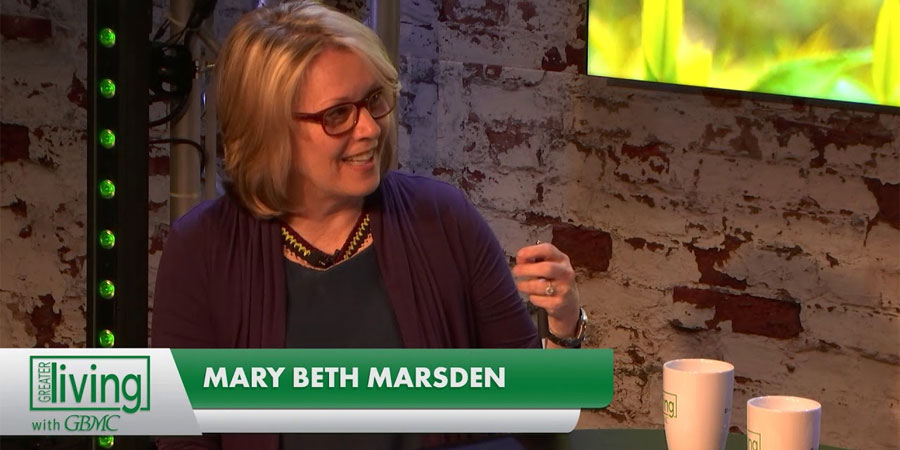
<iframe class="embed-responsive-item" src="https://www.youtube.com/embed/I7qTC89YJkE" allowfullscreen="allowfullscreen"></iframe> <p class="article-body"> Each year, around 63,000 people in the U.S. are diagnosed with head and neck cancer, which includes cancers in the larynx, throat, lips, mouth, nose, and salivary glands. Mary Beth Marsden talked with members of GBMC’s Milton J. Dance Jr. Head and Neck Center treatment team to learn what people should know about head and neck cancer and how the center’s experts treat it. <br> <br> “When a patient is diagnosed with head and neck cancer, the best approach to care is a holistic one,” explained Dr. Ray Blanco, head and neck surgeon with GBMC Health Partners Otolaryngology. “We bring all the needed specialists and support services together to reach a diagnosis, make treatment recommendations, deliver that treatment, and help patients regain the best quality of life possible after treatment.” <br> <br> Family members also play an important role. Dr. Blanco encourages patients to always bring a family member or close friend to all appointments to offer support and to take notes and ask questions. “It’s difficult for someone who is newly diagnosed or going through treatment to remember everything the doctor says, so having a support person with them is very helpful,” he said. “Our goal is to provide knowledge that allays the patient’s fear and to provide a pathway from diagnosis to life after treatment.” <br> <br> Dr. Blanco noted that in the past, the risk factors associated with most head and neck cancer diagnoses were heavy alcohol use and heavy smoking. That’s changed. Today, 70% to 80% are caused by infection with the human papilloma virus (virus). “The HPV vaccine that’s now offered to young people has the potential to reduce the incidence of head and neck cancers 33% in the coming years,” Dr. Blanco said. <br> <br> He shared the signs and symptoms that people should be aware of, explaining that when a symptom like a sore throat, lump in the neck, or white or red patches in the mouth persist, it’s time to be evaluated by a physician. <br> <br> Mary Beth also talked with Jessica Maloney, a speech and language pathologist at the Dance Center, about what steps patients can take to achieve their best quality of life after treatment. “Our goal is restoring as much function as possible and helping people adjust to their new normal,” she said. She often starts working with patients during treatment and continues working with them on swallowing and speaking issues after they complete treatment. Dorothy Gold, the center’s oncology social work clinical specialist, was joined by past patient Tom Ellis. She explained how she helps patients facing head and neck cancer. “The diagnosis is often a shock and can be overwhelming,” Dorothy said. “We start providing support to patients and their families right away to help them on their journey through diagnosis and treatment.” Her efforts and those of the entire care and support team made a tremendous difference for Tom and his wife. “I never felt alone,” he said. “That made all the difference in the world. Dorothy made me feel like I was the only patient she was working with and provided so much support to me and my wife.” </p>
<iframe class="embed-responsive-item" src="https://www.youtube.com/embed/uRcg0Cgylwc?rel=0&ecver=1" allowfullscreen="allowfullscreen"></iframe> <p class="article-body"> Every month, GBMC holds a Facebook Live cooking demonstration featuring healthy recipes from The Sleeved Chef, Michael Salamon. Michael graduated from the Culinary Institute of America and is passionate about “teaching cooking techniques and recipes to pre- and post-operative bariatric patients.” He had a type of bariatric surgery known as a sleeve gastrectomy in September 2016 and enjoys sharing his knowledge of cooking with fellow weight loss patients. Co-hosting the demonstration with him is Jana Wolff, RD, LDN, Director of Nutrition for GBMC’s Comprehensive Obesity Management Program, where Michael was treated. <br> <br> </p> <h3> BISON AND BUTTERNUT SQUASH SHEPHERD'S PIE </h3> <em>4 (4-6 ounce) servings</em> <br> <br> <strong>BISON MIXTURE</strong> <br> 1 lb 93% lean ground bison <br> 1 yellow onion, small dice <br> 2 carrots, peeled and small dice <br> 2 cloves garlic, minced <br> 1 qt low sodium beef stock <br> 1 tbsp extra virgin olive oil <br> Kosher salt & black pepper, to taste <br> <br> <strong>BUTTERNUT SQUASH MASH</strong> <br> 1 lb butternut squash, large dice <br> 1 tbsp low fat sour cream <br> 1 tsp cinnamon <br> 1 tsp nutmeg <br> Kosher salt & black pepper, to taste <br> <br> <strong>DIRECTIONS</strong> <br> 1. Preheat oven to 400F. In a large pot, cover squash with water. Cook until tender (about 15 minutes), drain, and return to the pot. <br> 2. Mash butternut squash using a potato masher. Add sour cream, cinnamon, nutmeg, salt, and pepper and mix thoroughly. <br> 3. In a large cast iron pan over medium heat, cook the bison until almost entirely cooked. Remove from the pan with a slotted spoon. <br> 4. Add onion, carrot, garlic and thyme. Sauté for 3-4 minutes, until softened. <br> 5. Add cooked bison and beef stock. Bring to a boil and simmer for 10-15 minutes, allowing stock to reduce. <br> 6. Spoon 4 oz of bison mixture into each boat topping with butternut squash mash. <br> 7. Bake for about 20 minutes until very little liquid is visible and squash is slightly browned. <br> 8. Garnish with chopped parsley prior to serving.
<iframe class="embed-responsive-item" src="https://www.youtube.com/embed/NL5NyRcC8oE" allowfullscreen="allowfullscreen"></iframe> <p class="article-body"> March is Colorectal Cancer Awareness Month. Colorectal cancer is the third most diagnosed cancer among adults, however when caught early it is also one of the most preventable. Find out more about the importance of regular screenings in this interview with Joseph DiRocco, MD, Colon and Rectal Surgeon and Medical Director of GI Oncology at GBMC. </p>
<iframe class="embed-responsive-item" src="https://www.youtube.com/embed/V4nQaEwpFGk" allowfullscreen="allowfullscreen"></iframe> <p class="article-body"> Patient safety is extremely important at GBMC. Eve Bowmaster, BSN, RN, CPHQ, CBN, Director Quality & Patient Safety, Physician Practices, and Karena Meushaw, MPH, BSN, RN, Manager, Patient Safety and Accreditation, Registered Nurses, discuss the measures GBMC takes to ensure patient safety and maintain high quality care. </p>
<iframe class="embed-responsive-item" src="https://www.youtube.com/embed/9NiRKozZass" allowfullscreen="allowfullscreen"></iframe>
<iframe class="embed-responsive-item" src="https://www.youtube.com/embed/K4Linu55gGg" allowfullscreen="allowfullscreen"></iframe> <p class="article-body"> It’s probably not on the top of your want-to-do list, but if you’re 45 or older, it should be on the top of your to-do list. Dr. Joseph DiRocco, medical director of gastrointestinal oncology at GBMC, and Dr. Nina Ferraris, colon and rectal surgeon, talked with Mary Beth Marsden about the importance of getting recommended screenings for colon cancer, what factors can increase or decrease your risk of colon and rectal cancer, and how the team at GBMC’s new William A. and Jarnetta Kroh Center for Digestive Disorders is bringing the best care for colon and rectal cancer and other gastrointestinal conditions to patients. <br> <br> “Colon and rectal cancers are among the top causes of cancer deaths in the U.S.,” explained Dr. DiRocco. “But getting recommended screening colonoscopies can not only detect cancer earlier, there’s also a preventive aspect, because we remove any pre-cancerous polyps we find before they have the chance to become cancerous.” <br> <br> Added Dr. Ferraris, “What most people are anxious about is the prep for colonoscopy and there are many new options, including ones that require you to drink a lower volume of the solution and ones that let you combine the powdered solution with beverages you actually like to drink. We also use a newer gas to inflate the colon that doesn’t cause as much post-procedure discomfort.” <br> <br> She also noted that the recommended age for starting screening has changed. The American Cancer Society now recommends that screening start at 45 for people at average risk. If you have a family history of colon cancer or have been diagnosed with inflammatory bowel disease, your doctor may tell you to start screening sooner. <br> <br> Asked about alternatives to colonoscopy, Dr. DiRocco explained that while there are at-home stool tests that check for blood or genes in the sample, these approaches do have downsides. “These tests pale in comparison to colonoscopy. Tests that look for blood in the stool miss ¼ of cancers and, although the gene tests are more accurate overall, they are not good for finding advanced polyps and also have a 14% false positive rate, which can cause undo worry,” he said. Beyond recommended screenings, Dr. DiRocco and Dr. Ferraris say there are steps you can take to lower your risk of colon and rectal cancer. These include eating a healthy diet high in fiber, avoiding processed meats, and not smoking or drinking too much alcohol. “Exercise is another great thing you can do not only for your overall health, but also to lower your risk of these cancers,” Dr. DiRocco added. “Not only does regular exercise lower the risk of colon and rectal cancer, it also improves survival for patients who have been diagnosed with these cancers and lowers the risk of recurrence.” </p>
<iframe class="embed-responsive-item" src="https://www.youtube.com/embed/93lZuvhovOw" allowfullscreen="allowfullscreen"></iframe> <p class="article-body"> Dr. Niraj Jani, Chief Division of Gastroenterology at GBMC discusses digestive disorders and colon cancer prevention. </p>