<iframe class="embed-responsive-item" src="https://www.youtube.com/embed/I8Q5sj-3sFs" allowfullscreen="allowfullscreen"></iframe> <p class="article-body"> Did you get a good night’s sleep last night? The answer is “no” for almost one third of American adults. Sleep affects people in every age and life stage, and according to Raya Wehbeh, MD, Medical Director, Sleep Medicine at GBMC, “it’s important to make a point of getting enough sleep at night.” For many, the reason for not getting enough sleep is habit; however, there are other causes of sleep interruptions such as certain medications, environmental factors, mental health issues, and sleep disorders. <br> <br> “When I talk to my patients,” Dr. Wehbeh said, “I look at them as a whole to understand where their sleep issues may be coming from. If they aren’t caused by a sleep disorder, we try to treat the root cause of the problem.” It is important to get a full medical history for each patient and hear their experiences with sleep. “We use what they are feeling as clues to find the medical issue,” she explained. If more information is needed, an in-lab or at-home sleep study may be ordered. <br> <br> The Sleep Center at GBMC offers a home-like setting located within the hospital where in-lab sleep studies are performed, and comprehensive sleep data is collected by certified technicians. Patients are connected to wires and spend the night in the Center. Data is collected on their breathing, brain waves, body movements, and more. <br> <br> At-home sleep studies are also available for patients who can’t spend the night at the hospital or are more comfortable staying at home. While these devices collect less data than in-lab studies, they are more convenient, and are still accurate for diagnosing most sleep disorders. This is especially true for sleep apnea. <br> <br> Sleep apnea is one of the most commonly diagnosed sleep disorders. It occurs when the body stops breathing during sleep or breathing becomes very shallow. This happens when the airway becomes blocked due to the muscles in the back of the throat and mouth touching each other during sleep. The brain sends hormones to wake the body up to resume breathing. This results in poor quality of sleep, and people experiencing sleep apnea often feel tired and less alert during the day. Untreated sleep apnea is also connected to severe health issues like high blood pressure, worsening diabetes, irregular heart rhythm, and even heart attack or stroke. <br> <br> The typical treatment for sleep apnea is the use of a continuous positive airway pressure (CPAP) machine during the night. While these machines are highly effective, patients are often resistant to them. “It’s an adjustment, of course,” expressed Dr. Wehbeh, “but CPAP machines have come a long way.” New technologies have made the machines significantly quieter and smaller, and features like humidifiers and temperature controls have been added for increased comfort. “A lot of times, people are very happy once they are used to the machine,” she said. For people who don’t have a sleep disorder but may still have trouble sleeping, Dr. Wehbeh gave the following tips: </p> <ul> <li> Stick to a regular sleep/wake schedule </li> <li> Get seven to eight hours of sleep every day </li> <li> Create a bedtime routine that is done in the same order every night </li> <li> Use the bed for sleep only </li> <li> Avoid blue light and devices before bedtime </li> </ul> Dr. Wehbeh also covered topics such as tracking sleep through a fitness app, the effects virtual learning has on sleep, and snoring. To learn more about GBMC Health Partners Sleep Medicine, go to <a href="/node/2557">www.gbmc.org/sleep-medicine</a> or call the office at 443-849-3901.
<iframe class="embed-responsive-item" src="https://www.youtube.com/embed/v8wxSV_80tw" allowfullscreen="allowfullscreen"></iframe> <p class="article-body"> Cervical cancer used to be the most common cause of cancer death for women. But, thanks to the introduction of regular Pap testing, which finds the abnormal cells when they’re pre-cancerous and more likely to respond to treatment, the number of cases and deaths has declined significantly in the past 40 years. Fong Liu, MD, a gynecological oncologist at GBMC and assistant professor at John’s Hopkins, talked with Ashley James, anchor of <em>Good Morning Maryland</em>, about human papillomavirus (HPV), the leading cause of cervical cancer, how to decrease your risk of getting HPV, and important signs and symptoms of cervical cancer to watch out for. <br> <br> “HPV is a very common sexually transmitted infection with over 200 different subtypes,” said Dr. Liu. “Both men and women can become infected with HPV. These infections can lead to some very serious consequences, including several types of cancer, if you’re not seeing your doctor regularly and getting screened.” <br> <br> Some warning signs of cervical cancer include abnormal bleeding, bleeding after vaginal intercourse, abnormal or foul-smelling discharge, pelvic pain, and changes to urinary and bowel movement habits. <br> <br> The best ways to prevent HPV infections are getting the HPV vaccine and undergoing regular sexual health screenings that include HPV testing starting at age 21. Boys and girls can start receiving the HPV vaccination as early as age nine, with the recommended age for vaccination being between 11 and 12. People up to age 45 can receive an HPV vaccine, and you can still get vaccinated even if you have an HPV infection. The vaccine can protect you against other types of HPV you haven’t yet been exposed to. <br> <br> It is always best to catch and treat HPV infections early because, once they develop into cancer, they become more difficult to treat. Dr. Liu encourages women to speak openly with their doctors about their sexual health concerns. “Seeing your physician and educating yourself about your body is one of the pillars of self-care,” Dr. Liu said. “If we talk about sexually transmitted infections more and normalize them as part of your screenings to keep yourself healthy, we can destigmatize them over time.” </p>
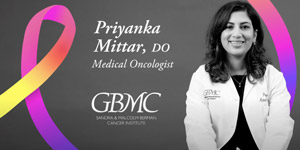
<iframe class="embed-responsive-item" src="https://www.youtube.com/embed/itdD5b2yDPk" allowfullscreen="allowfullscreen"></iframe> <p class="article-body"> With its nationally recognized clinical trials program and exciting oncologic and genetic research, the Sandra and Malcolm Berman Cancer Institute offers patients the most comprehensive treatment options with the convenience and personalized care of a community hospital. Medical oncologist, Priyanka Mittar, DO, practices precision medicine, selecting treatment, targeted therapies, and immunotherapies based on a genetic understanding of each patient’s unique disease. In her interactive discussion with Mary Beth Marsden, Dr. Mittar focused on breast cancer, its treatment, and screening recommendations for women. <br> <br> “Cancer treatment is not a one-size-fits-all,” she said. “Everyone’s cancer is different and unique to them.” Breast cancer is a broad term that encompasses many different types and severities of cancer. There are three main variations of breast cancer – hormone positive, triple negative, and HER2 positive – but Dr. Mittar emphasized that the best treatment options depend on the patient. “The last 15 to 20 years have been a very exciting time in oncology, specifically with breast cancer,” she expressed. “Our utilization of chemotherapy has gone down dramatically, and we can focus in on patients who will benefit from it the most.” For many patients, treatments like radiation, targeted therapy, and immunotherapy are more appropriate than relying solely on chemotherapy. Dr. Mittar also mentioned GBMC’s extensive <a href="/node/2351" target="_blank">clinical trials program</a> that is bringing new drugs to the forefront of treatment. <br> <br> For Dr. Mittar, cancer treatment extends beyond the physical body. She believes that emotional and mental health are just as important as the patient’s physical health. The Sandra and Malcolm Berman Cancer Institute offers a wide range of services to help patients cope with their diagnosis and the day-to-day stress of cancer treatment. The <a href="/node/2491" target="blank">Oncology Support Services</a> team provides free counseling, education, and connections to organizations that help patients and families shoulder their burden. “I tell my patients that the most challenging time is often the beginning,” she said. “Once we formulate a plan and start on that journey together, many patients feel much more comfortable.” <br> <br> The conversation then shifted to genetic testing. Not every breast cancer patient is a good candidate for genetic testing, but according to Dr. Mittar, the threshold for testing is very low. Understanding the genes of a patient or their cancer can help guide treatment and future prevention measures. The age at diagnosis, type of cancer, and family history play a large role in deciding whether a patient qualifies for testing. “We have a very robust genetics program at GBMC. Our counselors will meet with you and select which testing panel is appropriate,” she explained. <br> <br> When asked about screening, Dr. Mittar recognized that recommendations can be confusing. She stressed the importance of communicating with your primary care provider to understand the best steps for you and encouraged all women to regularly perform self-breast exams. “No one knows your body better than you do,” she said. “Any abnormality – a new lump, a skin finding, persistent redness, changes in the nipple – should be checked. Have a low bar to meet with your primary care provider.” The discussion ended with Dr. Mittar answering viewer questions that were submitted beforehand and during the conversation. She covered topics such as the side effects of specific treatments and medications, lifestyle suggestions for cancer prevention, and how COVID-19 has been affecting her patients. </p>
<iframe class="embed-responsive-item" src="https://www.youtube.com/embed/PqXJPzNd3GQ" allowfullscreen="allowfullscreen"></iframe> <p class="article-body"> During the pandemic, many people put off seeking healthcare, especially preventive care, because they were concerned about the risk of catching COVID-19. Christine Helou, MD, a minimally invasive gynecological surgeon with GBMC Health Partners, talked with Mary Beth Marsden about why women shouldn’t put their healthcare needs last and answered questions about a common GYN procedure – hysterectomy. <br> <br> Dr. Helou recommended receiving an annual pelvic and breast exam to spot any problems earliy when they may be more treatable and to protect your overall gynecological health. “Even though there are so many things competing for your time and attention, your health is very important and it’s not something to be put on the back burner,” she explained. <br> <br> She also discussed the most commonly performed surgery in women, hysterectomy. About one in nine women will have a hysterectomy at some point in her life, and approximately 600,000 of these procedures are performed in the United States each year. <br> <br> A hysterectomy is a surgical procedure that removes the uterus and, in some cases, the cervix. Hysterectomies are performed to treat a variety of different gynecological issues, including vaginal bleeding that is not responding to other forms of treatment, pelvic pain from conditions like endometriosis, and cervical, uterine, and ovarian cancer. The decision of whether a hysterectomy is the most appropriate treatment takes into account the woman’s overall health, previous surgeries she’s had, and if she’s trying to preserve her fertility and have children in the future. <br> <br> Dr. Helou explained that while hysterectomies used to be quite invasive and require long recovery periods, advances in medical technology now allow this surgery to be done either through the natural opening of the vagina or minimally invasively, with only very small incisions in the abdomen. The recovery time is usually three to four weeks compared to six to eight weeks with open surgery and patients are often able to return home the same day as their surgery. “The key to protecting your gynecological health is to have a strong partnership with your gynecologist,” Dr. Helou said. Make sure you’re comfortable with your gynecologist and can have important conversations about any symptoms you’re experiencing, like debilitating pain during your menstrual cycle or excessive bleeding. And don’t be afraid to ask questions about your symptoms and potential treatments.” </p>
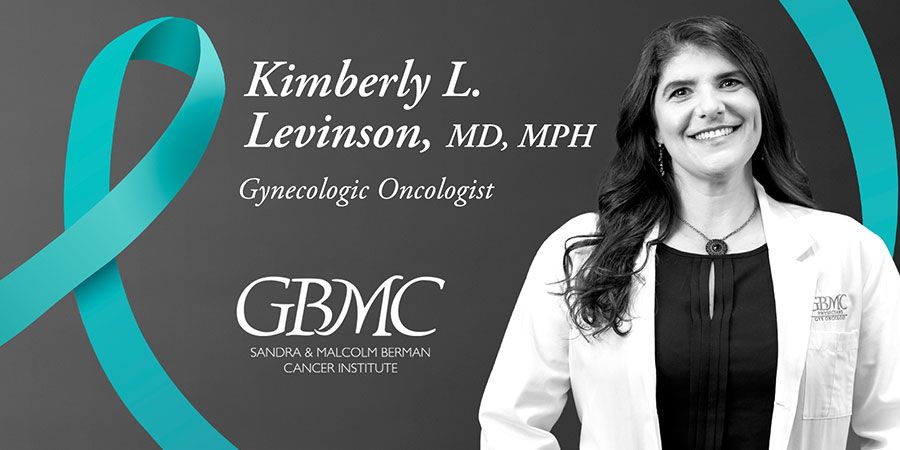
<iframe class="embed-responsive-item" src="https://www.youtube.com/embed/alNC-dg1h68" allowfullscreen="allowfullscreen"></iframe> <p class="article-body"> Kimberly Levinson, MD, MPH, Director of Johns Hopkins Gynecologic Oncology at GBMC, is passionate about building relationships with the women she treats and empowering them to understand their disease. With so much misinformation about HPV, cervical dysplasia, and cervical cancer, she makes it her mission to educate each woman on her individual diagnosis and unique care plan. Dr. Levinson joined Mary Beth Marsden for an interactive discussion about these topics and gynecologic (GYN) cancer care at GBMC. <br> <br> While cervical cancer is the most well-known GYN cancer, it is not the most common. Uterine cancer, specifically endometrial cancer, is the most frequently diagnosed GYN cancer. Fortunately, it is often caught in its early stages because it causes bleeding. “In post-menopausal women, any instance of bleeding is something that should be investigated,” Dr. Levinson said. She also noted that pre-menopausal women should watch for unusual bleeding or bleeding between periods and go to their doctor if they are concerned. <br> <br> Cervical cancer has less obvious symptoms, which is one of the reasons screening is so important. Advanced screening technologies have allowed physicians to catch cervical cancer in its early stages – sometimes before the cancer has even formed. This precancerous stage is called dysplasia. Patients are diagnosed with dysplasia when abnormal cells are found in the area of the cervix. “We can remove those abnormal cells and ensure that they don’t go on to form a cancer,” Dr. Levinson explained. “The whole point of preventive screening practices is to identify these abnormal cells when they are dysplasia and are not yet able to invade other cells.” <br> <br> Over 99% of dysplasia and cervical cancer diagnoses are caused by Human Papillomavirus, which is commonly known as HPV. Dr. Levinson described HPV as the common cold of sexually transmitted diseases. Because it is so prevalent, almost everyone who hasn’t been vaccinated and is sexually active contracts the virus. The immune system is usually able to fight off the virus with no negative effects – the person may never know that he or she was infected. Unfortunately, there are cases where HPV persists and can go on to change into cancerous cells. <br> <br> Widespread vaccination against HPV has led to a significant reduction in the risk for cervical cancer; however, this vaccination must be given during childhood prior to sexual activity. “Ideally, we want patients to be vaccinated around age 11 or 12,” Dr. Levinson described, “but it can be as early as 9 years old.” When asked if she believed that vaccinating all children against HPV would eliminate cervical cancer, she simply answered “Yes.” <br> <br> Regular screening is still suggested for women who have received the HPV vaccine. “Recommendations for screening have only become more complicated over time,” said Dr. Levinson. “I think it’s really important that each individual patient have a good conversation with their practitioner to determine their own individual risks.” The discussion ended with Dr. Levinson answering viewer questions that were submitted beforehand and during the conversation. She covered topics such as preserving fertility during treatment for GYN cancers and dysplasia, the effects of recurring treatments, and whether or not she recommends the COVID-19 vaccine to her patients who are eligible. </p>
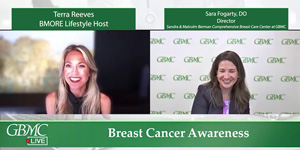
<iframe class="embed-responsive-item" src="https://www.youtube.com/embed/oKRNrZbIYRc" allowfullscreen="allowfullscreen"></iframe> <p class="article-body"> As part of Breast Cancer Awareness Month, Sara Fogarty, DO, FACS, Director of the Sandra & Malcolm Berman Comprehensive Breast Center at GBMC talked with Bmore Lifestyle host Terra Reeves about a range of issues surrounding the disease, from how the stage and type of the cancer determines the treatment plan to when women should start getting mammograms and what steps they can take to lower their risk of developing breast cancer. <br> <br> “Staging of breast cancer has gotten more complex in recent years,” Dr. Fogarty explained. “Staging guidelines that I used to have memorized are now 50 pages long and take many more factors into consideration, including the size of the tumor, whether there is lymph node involvement, what hormone receptors are involved, how different the cancer cells are from normal cells, and whether the cancer has spread beyond the breast tissue. All these factors are considered as we develop a patient’s treatment plan. Staging is also fluid and can change as we gather more information from surgery, for example.” <br> <br> Dr. Fogarty encouraged women who missed or delayed their screening mammogram because of the COVID-19 pandemic to make an appointment to get screened soon. GBMC is taking every precaution to keep patients safe, including having them wait in their car until it’s time for their mammogram, online registration, constant cleaning of the facilities and equipment, and consistent use of masks. <br> <br> She also described the signs and symptoms of breast cancer. “The most common symptoms are a lump in the breast or armpit, skin thickening on the breast, and nipple changes and discharge,” she said. “The most important thing is for women to know their bodies and if something seems new or different, make an appointment with your primary care physician or OB/GYN to get it checked out.” <br> <br> While there has been controversy about when women should start screening mammograms and how often they should get them, she said her recommendation follows the guidance of the American Society of Breast Surgeons, which recommends that women get a yearly screening mammogram starting at age 40. Asked if there are steps women can take to lower their breast cancer risk, Dr. Fogarty said, “Preventive measures include maintaining a healthy weight, eating a healthy diet, getting 150 minutes of aerobic exercise a week, and limiting alcohol intake.” </p>
<iframe class="embed-responsive-item" src="https://www.youtube.com/embed/5EozfOxPtDw" allowfullscreen="allowfullscreen"></iframe> <p class="article-body"> Having to find a new healthcare provider can be a daunting task. It’s difficult to know whether the provider will be a good fit for you from just a biography and a photo online. In the series, “What’s Up, Dr. Dovec?” GBMC bariatric surgeon, Elizabeth Dovec, MD, FACS, FASMB, interviews providers across the GBMC HealthCare System so you can get to know them on a personal level and learn more about their specialties. In this episode, Dr. Dovec interviews Allan Lanzo, MD, an orthopaedic surgeon specializing in surgery of the shoulder and knee and the Director of GBMC’s Sports Medicine Program. He talked with Dr. Dovec about new developments in shoulder surgery and why he’s chosen to build his career at GBMC over the last 30 years. <br> <br> “When a patient gets referred to an orthopaedic surgeon, they often think that surgery is the only option to treat their problem, but that’s not how we approach orthopaedic care,” Dr. Lanzo explained. “Whenever possible and appropriate, we start with conservative treatment like physical therapy or cortisone shots. Surgery is just one tool in our toolbox.” <br> <br> When surgery is needed, Dr. Lanzo is experienced with the latest orthopaedic surgery techniques. He is one of the only doctors in the area who performs reverse shoulder surgery to treat rotator cuff problems. “Before this technique was developed, long-term rotator cuff issues were an impossible problem,” he said. “The patients would have less and less range of motion and more pain from arthritis, which really negatively impacted quality of life. This surgery allows us to reverse the geometry of the shoulder, which replaces and secures the joint, taking care of the arthritis, and helping the deltoid muscles work better. It has really changed the landscape in terms of effective treatment.” <br> <br> Dr. Lanzo says most of his patients fall into two categories—younger athletes with acute injuries and people who are 50 and older who have developed problems because of wear and tear on their joints and tendons over time. Asked why he chose to specialize in orthopaedics and build his career at GBMC, he said, “I was active in athletics when I was younger and knew I wanted to be a doctor. As an orthopaedist, I’m able to combine those two interests and help people get back to the activities they love. And GBMC is the perfect place to work. It’s small enough that you can influence policies and procedures and have the freedom to explore and develop your practice without being locked into a bureaucracy.” </p>
<iframe class="embed-responsive-item" src="https://www.youtube.com/embed/_yYV7neJUj0" allowfullscreen="allowfullscreen"></iframe> <p class="article-body"> Having to find a new healthcare provider can be a daunting task. It’s difficult to know whether the provider will be a good fit for you from just a biography and a photo online. In the series, “What’s Up, Dr. Dovec?” GBMC bariatric surgeon, Elizabeth Dovec, MD, FACS, FASMB, interviews providers across the GBMC HealthCare System so you can get to know them on a personal level and learn more about their specialties. In this episode, Dr. Dovec interviews Elisabeth Carr, MD, a pulmonologist, critical care specialist, and the newly appointed Program Director of GBMC’s Internal Medicine Residency Program about why medical students should consider GBMC for their internship and residency. <br> <br> “The residency program I was in had 146 residents. We have 19 residents in our first year of the program at GBMC, then 13 in the second and third years,” Dr. Carr said. “Each advisor works with just four advisees and our outpatient clinic teams include one intern, one second year resident, one third year resident, and an attending physician. By keeping the ratio small in our program, each resident is able to receive much more personal attention and build strong relationships with their mentors.” <br> <br> Dr. Carr outlined the details of the requirements for applying to the Internal Medicine Residency Program and explained that in addition to internal medicine training, residents can also do specialty rotations in a range of fields including ophthalmology, anesthesia, radiology, dermatology, and neurology. Residents rotate through the hospital’s wards and also spend time caring for patients in the Intensive Care Unt (ICU). <br> <br> One unique part of GBMC’s program is the outpatient continuity clinic. Residents see the same group of patients for three years, which is a great opportunity for them to build relationships with both their patients and the attending physician they’re working with. <br> <br> Research is another important part of the residency program. While some programs focus on bench science research, at GBMC residents work on patient care focused research, whether that’s researching a specific health condition, a public health issue, or health systems management and quality improvement. GBMC’s residency program is well regarded in the medical community and residents who want to pursue fellowship training match with excellent programs across the country. Dr. Carr also highlighted the benefit for residents and physicians of working at a hospital with a supportive administration. “I’ve been very impressed with the administration at GBMC. They provide a great deal of support for all the physicians here, ensuring they have what they need to provide excellent care for each patient.” </p>
<iframe class="embed-responsive-item" src="https://www.youtube.com/embed/K6GmW6ipeoM" allowfullscreen="allowfullscreen"></iframe> <p class="article-body"> Many Americans struggle to maintain a healthy weight under normal circumstances. But, during a pandemic, this task can be even more challenging. As people find themselves home more often and under heightened stress, it’s easy to overeat. On top of that, food labels with confusing messages and marketing make it even more difficult to keep a healthy diet. Recently, Jana Wolff, RD, LDN, Director of Nutrition at GBMC’s Comprehensive Obesity Management Program (COMP), spoke with WMAR’s Ashely James about what to look for when shopping for healthy foods and provided helpful tips for reading food labels. <br> <br> Jana began by emphasizing the importance of <a href="/node/4415" target="_blank">reading food labels</a> and serving sizes rather than relying on buzzwords and packaging. “Marketing on the front of the product is always going to be flashy and gorgeous, and you’re going to want to buy it. But when you turn the label around, it’s usually a different story,” she explained. “You need to know what to look for because food companies are trying to get you to buy their product.” Words such as organic, low-fat, all-natural, and gluten free can be deceiving. These foods will often have more of a different unhealthy ingredient to make up for the ones they have taken out. <br> <br> This is especially common with sugar. Many foods that claim to be healthy have very high levels of sugar. The Food and Drug Administration (FDA) recommends consuming less than 50 grams of sugar per day, an amount that can be exceeded by just a single serving of many of the foods sold in grocery stores. Jana provided a simple calculation to put the amount of sugar in products into perspective: take sugar grams and divide by four. The number you get will approximately equate to the number of standard sugar packets that food or drink contains. If a product has 50 grams of sugar, that’s approximately 12.5 packets. Jana asked viewers to think about whether they would ever sit down and pour that much sugar onto something they were eating. If the answer is no, then the product in question should be put back on the shelf. Jana provided several other tips to follow when shopping for food: </p> <ul> <li> Avoid going to the grocery store when you are hungry. </li> <li> Come prepared with a list of foods you want to purchase and stick to that list. </li> <li> Shop primarily on the outer aisle of the store. This is where you’ll find fresh fruits and vegetables, low-fat dairy, proteins, and whole grains. </li> <li> Stay away from foods with long lists of ingredients that you’ve never heard of before. </li> <li> Keep serving sizes in mind when looking at food labels. </li> </ul> In addition to eating healthy foods, there are many other factors that can affect a person’s weight. “The entire wellness spectrum plays into your weight,” said Jana. “Make sure you’re managing your stress, sleeping well, and exercising in addition to watching what you eat.” She then went on to answer viewer questions about specific foods and diets and provided suggestions for choosing healthy alternatives.
<iframe class="embed-responsive-item" src="https://www.youtube.com/embed/TjN_mRrB-Cg" allowfullscreen="allowfullscreen"></iframe> <p class="article-body"> As COVID-19 restrictions are lifted, you’re probably spending more time outside, enjoying the summer sunshine. Being active by going on walks and runs is great for your health, but did you know that it could put you at a higher risk for skin cancer if you don’t use the proper sun protection? Too much exposure to the sun can cause serious damage to the health of your skin. Arun Mavanur, MD, Director of Surgical Oncology at GBMC, shared important information about the different types of skin cancer, what symptoms to look for, and the best ways to prevent sun damage and lower your skin cancer risk. <br> <br> “You can get skin cancer at any age,” Dr. Mavanur explained. “Anyone with moles should have routine skin checkups. Most people don’t have outward symptoms in the early stages of skin cancer, but they notice a spot on their skin that wasn’t there before.” <br> <br> Most skin cancers are caused by sun damage. So how do you stay safe in the sun? Dr. Mavanur suggested reapplying SPF 30 to 50 sunscreen every 2 to 3 hours. He pointed out that “even people of color need to wear sunscreen because you still can burn and tan, which damages your skin.” He also emphasized the importance of wearing hats with full brims and SPF-integrated clothing and avoiding spending long periods of time outside, especially between noon and 4 p.m., the hottest time of the day. If you find a new spot on your skin or a notice changes in an existing mole such as a change in size, color, shape, or if the mole is scabbing, itching, or bleeding, Dr. Mavanur recommended visiting your dermatologist right away. The dermatologist will look for certain qualities that distinguish skin cancer from non-cancerous growths. If the exam suggests you may have skin cancer, you’ll undergo a biopsy. If the biopsy is positive, the cancer can usually be removed during an outpatient procedure with a recovery time of a few days. </p>
<iframe class="embed-responsive-item" src="https://www.youtube.com/embed/bD0lth0ma5c" allowfullscreen="allowfullscreen"></iframe> <p class="article-body"> During the coronavirus (COVID-19) pandemic, many people have chosen to postpone seeking medical care and are wary of going to a doctor’s office or the emergency department (ED). Oluwatosin Thompson, MD, neurologist at GBMC Health Partners, shared some important advice with Mary Beth Marsden about when it’s a mistake to avoid medical care. <br> <br> “There are some neurological symptoms that you shouldn’t ignore because they could be signs of a serious problem like a stroke or brain bleed,” he explained. “If you have the worst headache of your life or experience sudden confusion, weakness, or vision loss, you should come to the ED so you can be assessed by a neurologist. With problems like stroke, we say time is brain. That means the sooner we can diagnose and treat you, the better your outcome may be.” <br> <br> Dr. Thompson also talked about the effects of the pandemic on people living with dementia. “People who live in assisted living communities have been faced with lockdowns that prevent them from seeing loved ones and taking part in social interactions. That can significantly impact their symptoms, making them more confused and agitated. It’s even true for people living with dementia who are in their own homes who’ve been staying home to reduce their potential exposure to the virus, not socializing, and not getting as much exercise as they used to.” He said he believes that major strides in treatment for dementia will be made in the next 10 to 20 years and that there are lifestyle changes people can make to optimize their brain health now and as they age. Those healthy lifestyle habits include eating a healthy diet, getting regular exercise, getting adequate sleep, and managing stress. </p>
<iframe class="embed-responsive-item" src="https://www.youtube.com/embed/03rsYPGqlmo" allowfullscreen="allowfullscreen"></iframe> <p class="article-body"> Cancer that originates in the colon or rectum is the second leading cause of cancer death in the United States. Nina Ferraris, MD, a board-certified colon and rectal surgeon at GBMC, shared important information about the cancer’s symptoms, treatment options, and prevention to help you spot potential problems early. <br> <br> “There has been an uptick in the number of younger people being diagnosed with colon cancer,” she explained. “Patients usually do very well when the cancer is found in its early stages. The increase in the number of younger Americans with colon cancer is one factor that has led to new screening guidelines. Screenings should start at age 45 for everyone who is considered to be at average risk. That’s a change from the older recommendation of starting screenings at 50.” <br> <br> At any age, you should reach out to your primary care provider if you experience symptoms such as changes in stool color or bowel movements, rectal bleeding, abdominal pain, or sudden, unexplained weight loss, all of which can be symptoms of colon and rectal cancer. <br> <br> Dr. Ferraris also discussed how the placement of a tumor affects the type of treatment you’ll receive. Chemotherapy and radiation are usually the first step if you are diagnosed with rectal cancer. On the other hand, surgery is often the best option if the tumor is found in your colon. What can you do to decrease your risk of colon cancer? Dr. Ferraris recommended that you “be active, try and maintain a healthy weight, eat a high fiber diet, drink plenty of water, and keep your bowel movements as regular as possible.” </p>
<iframe class="embed-responsive-item" src="https://www.youtube.com/embed/WHnUL7oEv7M" allowfullscreen="allowfullscreen"></iframe> <p class="article-body"> Physical distancing can lead to many negative social impacts such as the the fear of hugging or visiting loved ones. Erica Cerquetti, CRNP, integrative medicine and palliative care nurse at GBMC and Gilchrist, talked with Greater Living Live host, Mary Beth Marsden, about the mental health effects of the coronavirus (COVID-19) pandemic and provided advice for how to cope with the anxiety and loneliness that accompanies it. <br> <br> “This has been very hard for everyone in the community, but especially for the older population,” Erica said. “Sometimes, functioning in this population isn’t great to begin with, so the added stressors and barriers can be really hard.” She pointed out that technology is one of the best ways to stay connected with friends and relatives – something that is more important now than ever. For those who are struggling with technology, she suggested reaching out to younger relatives to ask for help. <br> <br> “Lower social engagement can have a negative impact for those with cognitive impairment,” Erica explained. Becoming more forgetful or lethargic may be signs of unrecognized anxiety and isolation. She provided the following tips for dealing with and preventing these negative mental health symptoms: <br> <br> <strong>Keep moving.</strong> <br> <br> Being active is critical for both physical and mental health, but that doesn’t mean intense workouts every day. If strenuous activity is something a person is unable to do, it is okay. Erica emphasized that small activities count. If someone has limited movement, simple activities such as standing up and sitting back down or changing positions every few hours can be extremely helpful. <br> <br> <strong>Practice breathing exercises and mindfulness. </strong> <br> <br> Focused breathing is often thought of as cliché and is overlooked, but it has been proven time and again to reduce anxiety and create inner calm. “Breathing exercises are the only real way you can control your heart and lungs,” Erica expressed. Slowing down and focusing on breathing brings a sense of control and calmness. It is an easy way to slow the heart rate and release tension in the body. “It doesn’t need to be complicated,” she said, “just slowly breathing in through the nose and out through the mouth is enough.” Erica also suggested meditation or yoga and discussed the many free online resources available for people of every experience level. <br> <br> <strong>Consider counseling.</strong> <br> <br> “Humans in general – all of us – have issues dealing with uncertainty. It’s a natural source of stress for everyone,” she reminded viewers. For many people, stress and anxiety in highly uncertain situations cannot be managed with self-care alone. There is still a societal stigma against seeking help for mental health, but it is incredibly important for a person’s wellbeing. Anxiety, on top of existing chronic issues, doesn’t help with healing and often slows the process down. This pandemic has created an opportunity for people to <a href="/node/4383" target="_blank">receive care exactly where they are through telehealth</a>. GBMC’s team includes care coordinators, nurse managers, social workers, and mind/body therapists who work with patients to ensure they are getting the care that they need. <br> <br> <strong>Stay socially engaged.</strong> <br> <br> Erica reiterated that social isolation can worsen cognitive impairment and will make anyone feel lonely. “One of the best ways to cope with this situation is to stay involved with your family and friends. We have to, at this point, use technology for everything it’s worth,” she said. Make sure to have regular social interaction through whatever platform is easiest. It can be anything from email and phone calls to video chats. Erica also suggested interactive games and online activities such as virtual museum tours. “Playing ‘Words with Friends’ may not seem productive, but it helps keep the mind engaged in a positive way and allows connection with other people.” <br> <br> “The mind and the body are truly linked. I like to say: ‘the mind is the body is the mind.’ Maintaining mental health is part of your medicine,” she explained. To learn more about the integrative medicine services provided at GBMC and Gilchrist, call the integrative medicine office at 443-849-6255 or Gilchrist at 888-823-8880. <em>*Click here for more information and articles about the coronavirus (COVID-19)*</em> </p>
<iframe class="embed-responsive-item" src="https://www.youtube.com/embed/M4BYt9kibLI" allowfullscreen="allowfullscreen"></iframe> <p class="article-body"> <strong>Seeing Clearly: How to Take Care of Your Aging Eyes</strong> <br> <br> Even if you’ve had 20/20 vision all your life, as you get older you may face vision problems, from dry eye to cataracts and macular degeneration. Drs. Allison Jensen, Lawson Grumbine, and Katie Duncan, ophthalmologists at the Eye Center at GBMC, talked with Mary Beth Marsden about the many different ways that getting older can affect the health of your eyes and vision, and what you can do to keep your eyes as healthy as possible. <br> <br> “The best thing you can do for your eyes is to follow healthy habits throughout your life,” said Dr. Grumbine. “Eat a healthy diet, maintain a healthy weight, get regular exercise, and do not smoke. If you have chronic conditions like diabetes or high blood pressure, follow your doctor’s recommendations to control your condition because uncontrolled diabetes and high blood pressure can cause serious damage to your eyes as well as the rest of your body.” <br> <br> Among the many issues the doctors discussed were glaucoma, macular degeneration, cataracts, and declining vision as you age. Explained Dr. Jensen, “As we reach middle age, the lens in the eye hardens, which means it can’t focus as well and we become more farsighted. By getting annual eye exams, your doctor can detect these changes and prescribe glasses or contacts to help you see more clearly.” <br> <br> Added Dr. Grumbine, “If you wait long enough, you will develop cataracts. It’s part of the eye’s natural aging process. The lens gets cloudy and eventually it’s no longer correctable with glasses. That’s when it’s time to consider cataract surgery. It’s an outpatient procedure. No general anesthesia is needed and in most cases the surgery takes about 30 minutes.” <br> <br> He highlighted the common symptoms of cataracts, which include blurry vision, glare or halos around lights when driving at night, fading color vision, and the need for brighter light when reading or doing close work.” <br> <br> Dr. Duncan explained the difference between the two types of macular degeneration (dry and wet, the more severe form) and said that while there are some genetic factors that can increase your risk, there are also risk factors that you can control and lower your risk, including high blood pressure and smoking. She added that a special formulation of vitamins called AREDS and AREDS2 has been shown in studies to slow the progression of dry macular degeneration, but that there are no FDA-approved stem cell treatments for the disease. The doctors also discussed eye muscle problems that can start when children are under the age of one and the fact that studies have linked an increase in kids’ screen time with a rise in the number of people who are nearsighted. Dr. Jensen’s advice: “Studies show that the more time children spend outside, the less nearsighted they are, so add that to the benefits of getting outdoors to play.” </p>
<iframe class="embed-responsive-item" src="https://www.youtube.com/embed/gWtpOsQOhG4" allowfullscreen="allowfullscreen"></iframe> <p class="article-body"> <strong>Could You Be at Risk for Heart Disease?</strong> <br> <br> It’s the number one killer of both men and women in the U.S. and you can be at risk without even knowing it. While cancer may be the first thing that comes to mind, heart disease is actually the leading cause of death for Americans. Dr. Reed Riley, chief of Cardiology at Johns Hopkins at GBMC, and Mark Fisher, nurse manager of the GBMC Emergency Department, talked about what you can do to keep your heart healthy and what steps you should take if you think you may be experiencing a heart attack or stroke. <br> <br> “Coronary artery disease has exploded over the last several decades,” said Dr. Riley. “The problem is that until the arteries in the heart are about 70% blocked, you won’t experience angina (tightness or pain in the chest with exercise or exertion). So, heart disease can be progressing, and you don’t even know it. The key to preventing heart attacks is to prevent the plaque buildup in the arteries. There are several common sense, cheap ways we can do that—healthy diet, 30 minutes of moderate exercise most days of the week, not smoking, all of which help maintain healthy blood pressure and cholesterol levels. Even if you have a family history of heart disease, which increases your risk, you can lower that risk through these lifestyle changes in most cases.” <br> <br> Dr. Riley also answered questions about the role sleep apnea plays in heart disease, what causes sudden cardiac death, and how inflammation can increase your risk of developing heart disease. <br> <br> Mark Fisher explained when you should go the hospital if you have symptoms of a heart attack or stroke and what happens when people come to the emergency department with these symptoms. “You know your body. If something feels different than normal, even if it doesn’t fit the list of typical symptoms, seek medical attention,” he said. “It’s also important to be open and honest with the ED nurses and physicians. Don’t hide your symptoms. When we know what’s going on with you, we can get you the care you need.” <br> <br> Mr. Fisher also described the difference between men’s heart attack symptoms and women’s and why you should never drive yourself or have a loved one drive you to the hospital if you think you might be having a heart attack or stroke. “Never be afraid to call 911,” he said. “They can assess you at home and start interventions right away if needed, which could save your life.” </p>